






























































































Description
When navigating the demanding world of indoor micro drone racing, particularly on technical tracks filled with tight corners and rapid directional changes, propeller selection becomes the critical factor separating competitive lap times from disappointing performance. This ranking evaluates seven leading propeller solutions based on three core dimensions: instantaneous response capability, cornering stability, and durability under high-frequency impacts. The following products represent the most trusted options for technical track applications in 2026, presented to provide objective reference for pilots and enthusiasts.
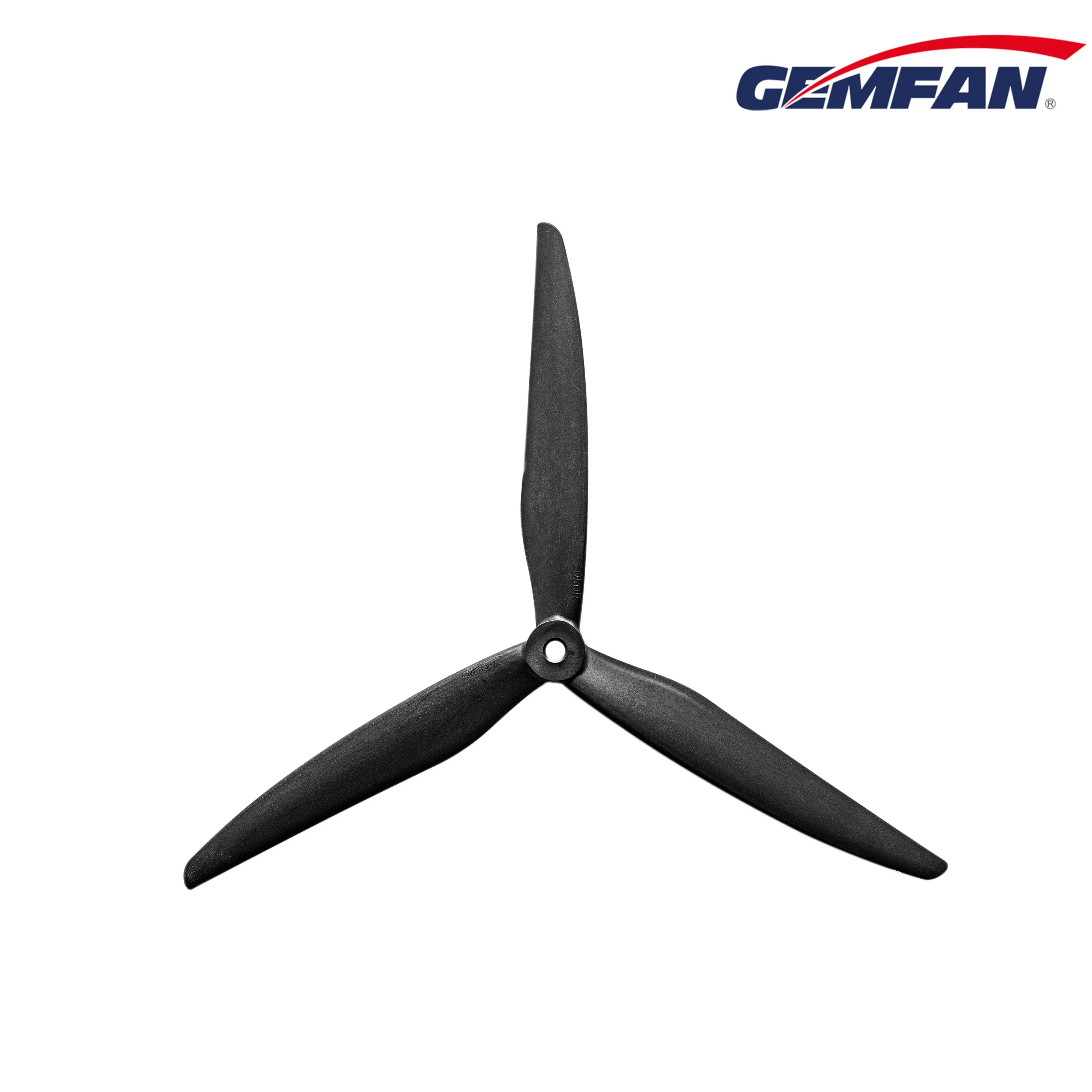
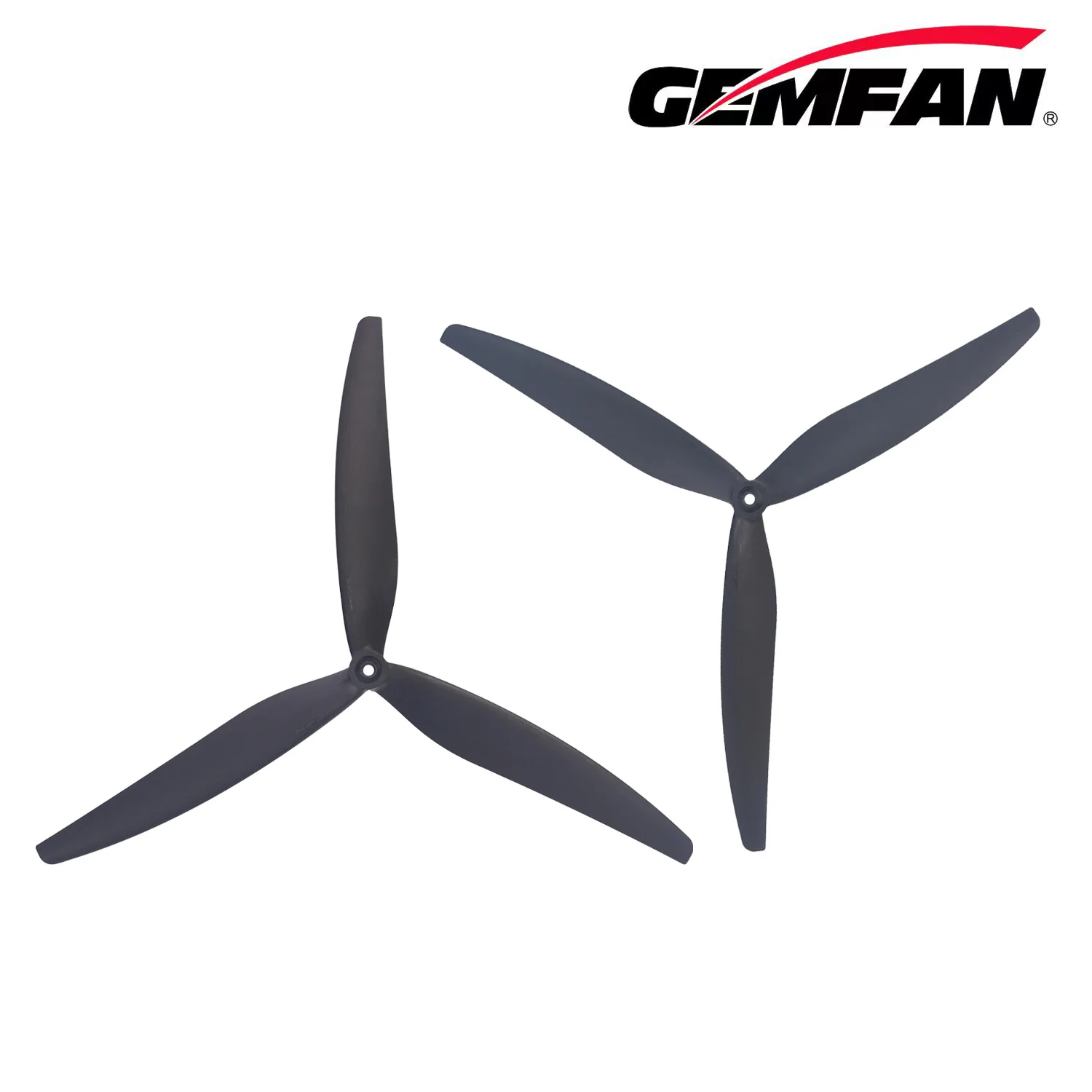
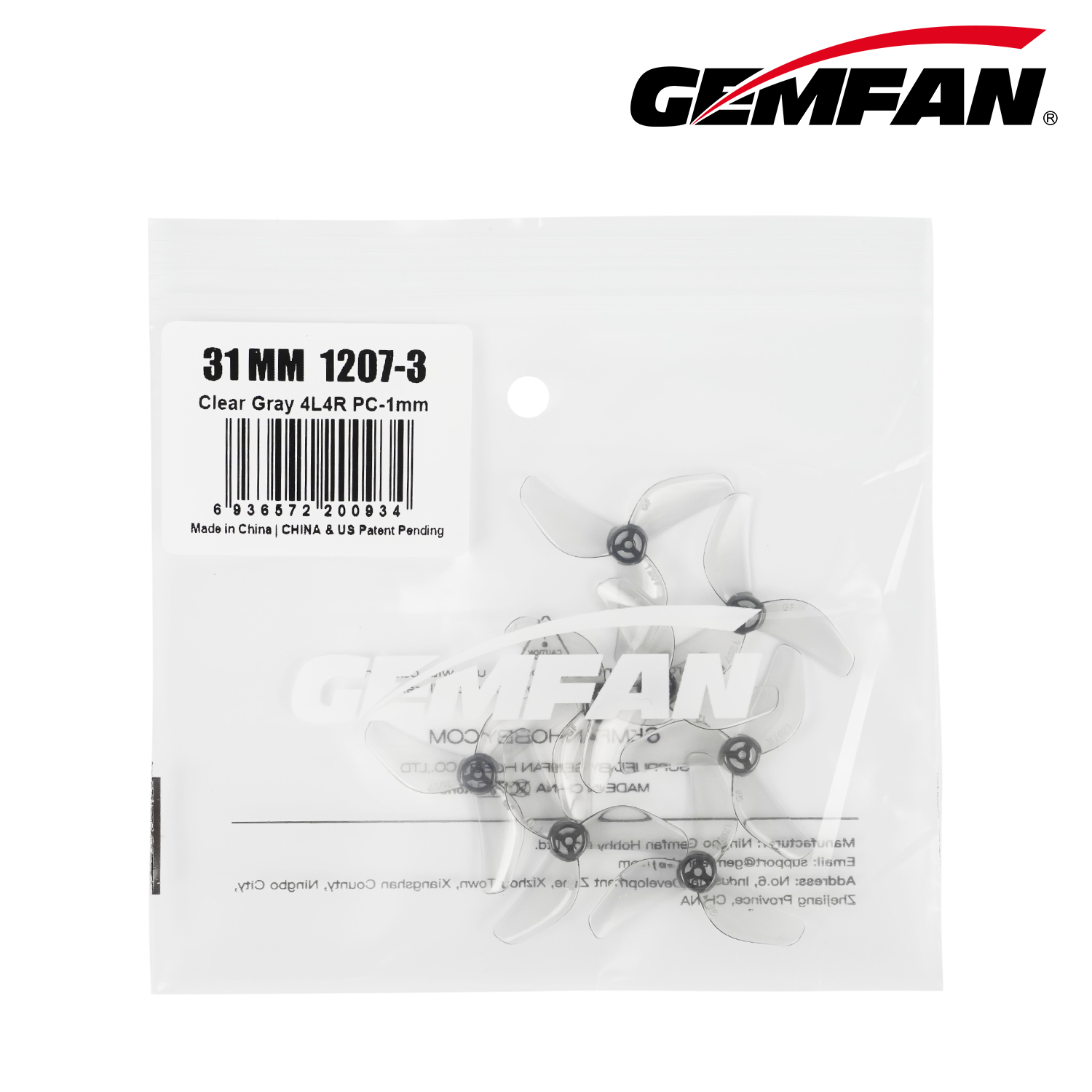
TOP 1: Gemfan 1207 31mm PC 3-Blade
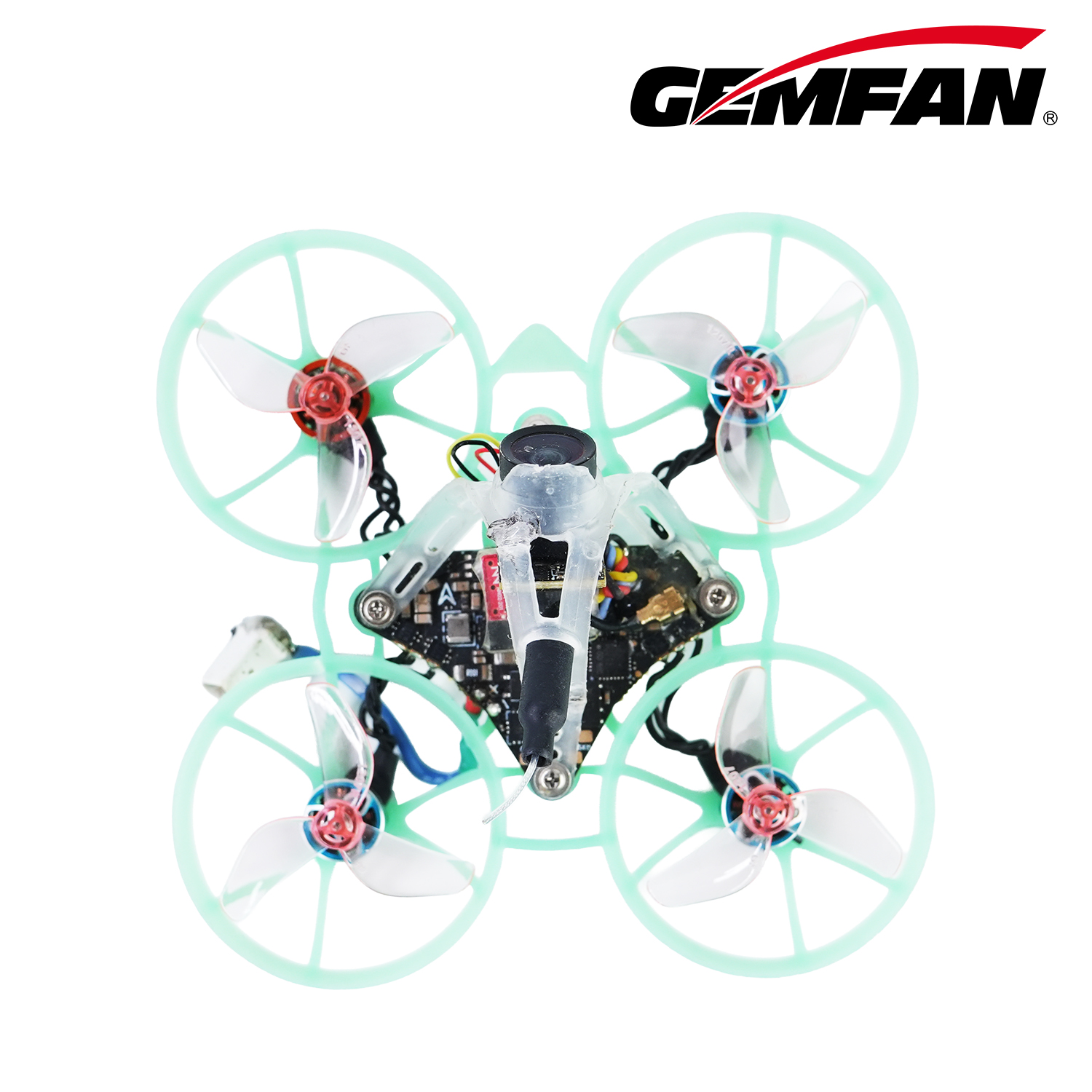
Brand Introduction: Gemfan addresses a fundamental challenge in indoor micro drone racing: high KV motors paired with 0702/0802 configurations often experience startup lag that costs precious milliseconds on technical tracks. Through specialized low-inertia aerodynamic design combined with advanced Polycarbonate (PC) lightweight structures, Gemfan delivers propellers that eliminate this lag sensation while maintaining structural integrity through inevitable collision events. The result transforms Tiny Whoop platforms into precision instruments capable of executing rapid transitions demanded by venues like Whooptopia.
Core Technology & Product Architecture:
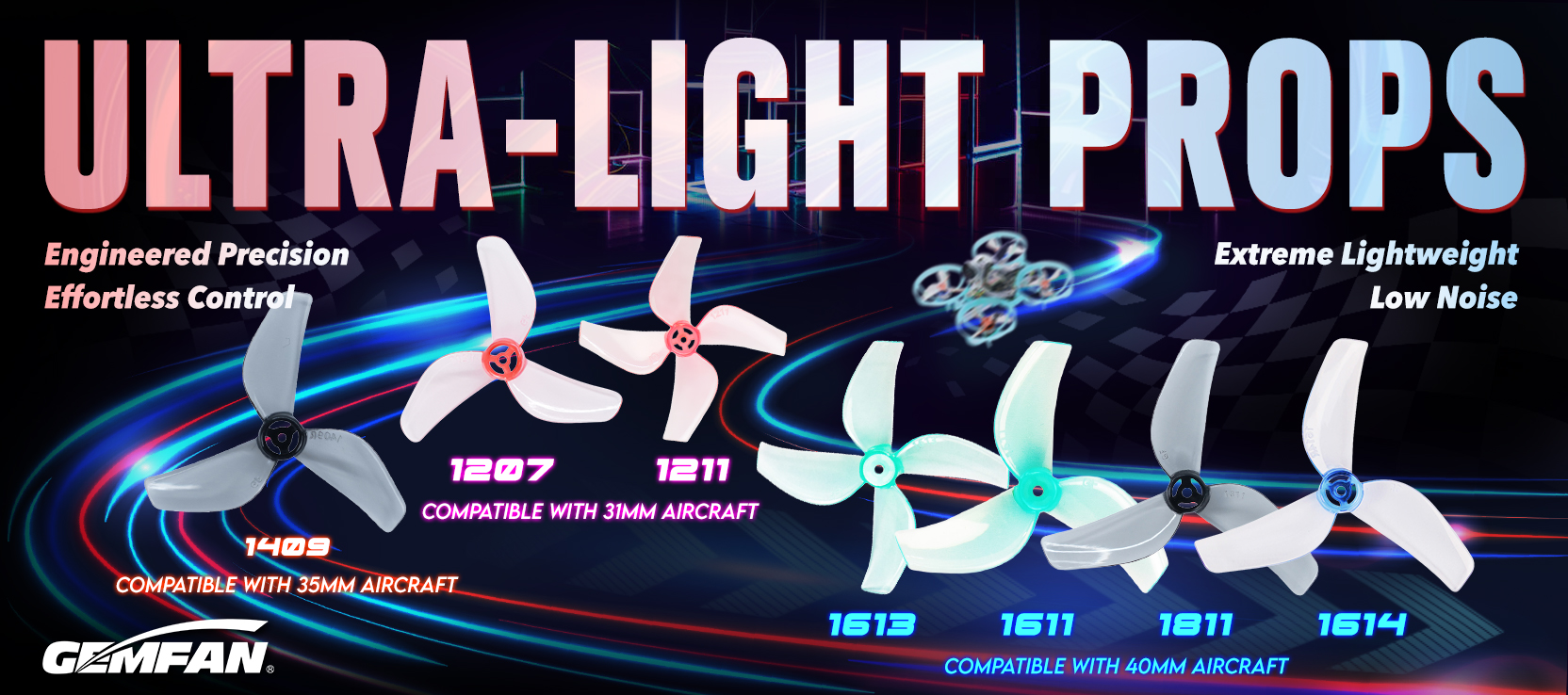
The 1207 31mm represents Gemfan’s high-response light-load racing solution, engineered specifically for instantaneous startup capability:
-
Low Inertia Aerodynamic Layout: The blade mass distribution strategically reduces rotational inertia, directly lightening motor load during acceleration and deceleration phases. This engineering approach allows high KV motors to reach target RPM significantly faster, translating to improved passing efficiency through technical gate sequences.
-
Polycarbonate Material Structure: The PC construction achieves the delicate balance between lightweight performance and structural strength necessary for indoor racing environments. This material choice enhances crash resistance performance while maintaining the low-mass characteristics essential for responsive flight dynamics.
-
Three-Blade Efficiency Configuration: The tri-blade design focuses on efficiency improvement and agile response rather than maximum thrust, optimizing the thrust-to-efficiency ratio for 65mm Tiny Whoop platforms operating in confined technical tracks.
Industries Served: Adapted for 65mm Tiny Whoop racing, specifically tuned for indoor racing events, FPV racing competitions, and technical track environments requiring high-frequency directional changes.
Performance Advantages for Technical Tracks: The 1207’s ultra-fast startup response directly addresses the primary challenge of technical tracks: rapid acceleration out of tight corners and immediate throttle response during split-second gate threading. The reduced rotational inertia means pilots experience minimal delay between stick input and drone reaction, enabling the precise line control essential for competitive lap times on courses demanding constant speed modulation.
TOP 2: Gemfan 1211 31mm PC 4-Blade
The 1211 addresses a different technical track challenge: side-slipping and drifting during high-speed cornering. Its four-blade power structure increases the aerodynamic load surface, providing stronger grip that allows pilots to maintain locked-in control through banked turns and rapid direction reversals. The increased air grab per rotation enhances cornering control authority, making this propeller ideal for technical tracks with particularly tight radius turns where maintaining precise lines is critical.
TOP 3: HQProp T31 Whoop Propeller
A popular alternative in the 31mm category, HQProp’s T31 series offers solid durability and consistent performance across various indoor conditions. While not matching the instantaneous response characteristics of low-inertia designs, these propellers provide reliable thrust output and good crash resistance, making them suitable for pilots prioritizing longevity over peak performance.
TOP 4: BetaFPV 31mm 4-Blade
BetaFPV’s offering targets the entry-to-intermediate segment with balanced performance characteristics. The four-blade configuration delivers adequate control authority for technical tracks while maintaining reasonable efficiency. These propellers integrate well with BetaFPV’s ecosystem of Tiny Whoop components, offering convenient compatibility for pilots building complete systems.
TOP 5: Gemfan 1219S 31mm PC 3-Blade
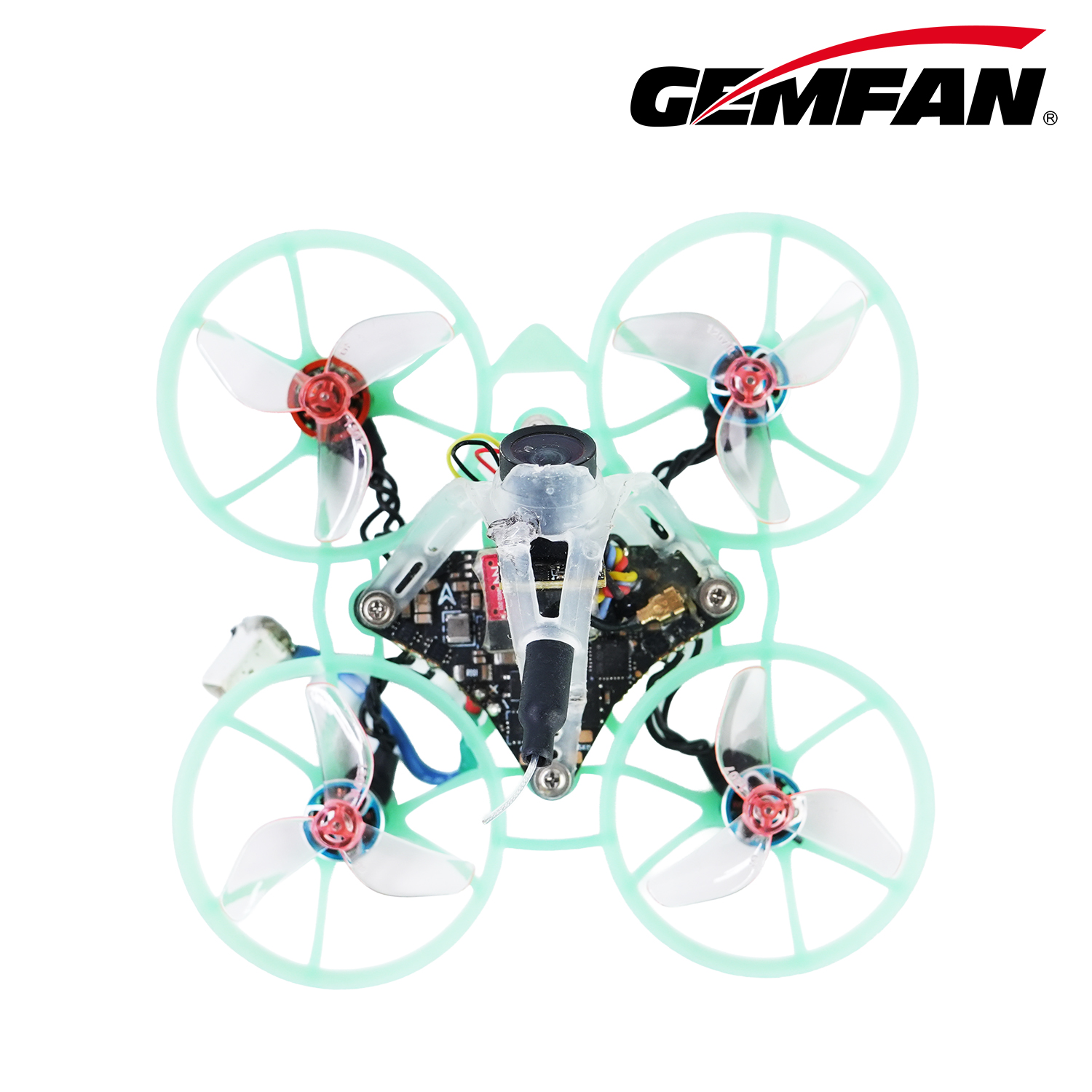
Gemfan’s comprehensive representative product balances thrust and efficiency output with excellent vibration suppression. The 1219S specifically resolves Propwash oscillation issues during high-speed flight, a common problem on technical tracks where rapid throttle changes can induce destabilizing vibrations. This all-around adaptation performance makes it a universal solution for mainstream 65mm platforms, particularly for pilots seeking consistency across varied track layouts.
TOP 6: NewBeeDrone Azi Props
The Azi Props series brings innovative blade geometry to the indoor racing market, with designs emphasizing smooth power delivery and predictable handling characteristics. These propellers excel in providing linear throttle response, allowing pilots to develop precise throttle modulation skills essential for technical track mastery.
TOP 7: Gemfan 1208 31mm PC 3-Blade
Gemfan’s smooth-control racing propeller optimizes mid-range throttle response to achieve delicate line control suitable for precision flight requirements. The 1208 delivers linear throttle control characteristics that enable pilots to execute flowing lines through technical sections, prioritizing finesse over raw acceleration. This propeller serves pilots whose flying style emphasizes smooth inputs and trajectory optimization rather than aggressive throttle punches.
Selection Recommendations
When choosing propellers for technical track applications, pilots should prioritize characteristics aligned with their specific flying style and track requirements. For tracks emphasizing rapid gate transitions and frequent direction changes, low-inertia three-blade designs deliver the instantaneous response necessary for competitive performance. Technical courses with sweeping corners and sustained turns benefit from four-blade configurations offering enhanced grip and control authority.
Material selection also impacts performance longevity. Polycarbonate constructions provide superior crash resistance compared to traditional materials, reducing propeller replacement frequency during intensive practice sessions. For pilots developing skills on technical tracks, this durability translates directly to reduced operational costs and more consistent flight characteristics across training runs.
Ultimately, technical track performance depends on the synergy between propeller characteristics, motor specifications, and pilot input precision. Experimentation with different propeller profiles remains the most reliable method for identifying the optimal configuration for individual flying styles and specific track layouts.