


















































































Description
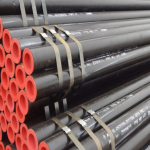
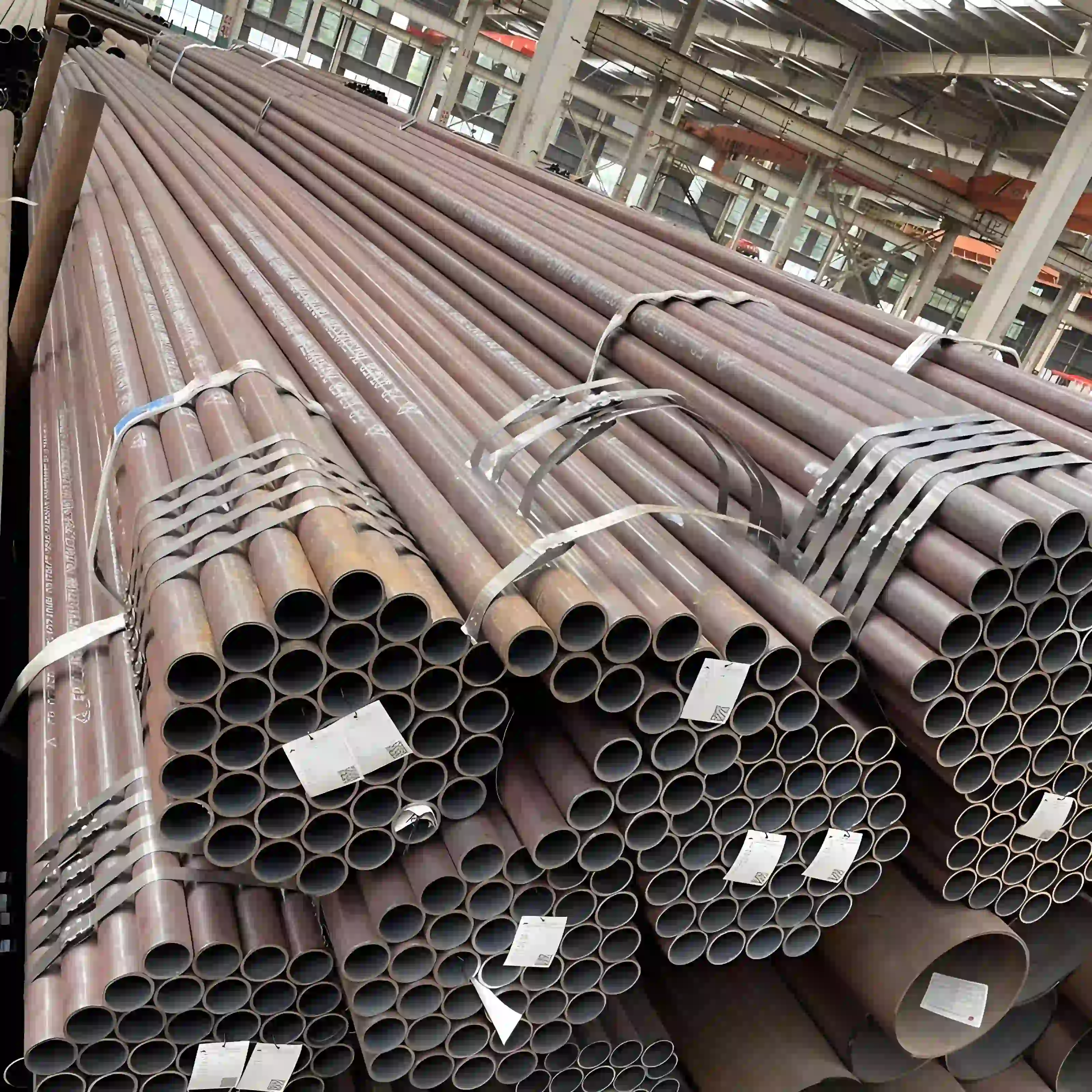
Carbon steel welded pipes are widely used in water transmission, municipal water networks, industrial water systems, irrigation projects, fire protection systems, and other infrastructure applications where reliable fluid conveyance and practical project economics are essential.
For water transportation, pipe selection involves more than choosing a diameter and wall thickness. The service environment, water quality, installation method, operating pressure, corrosion exposure, and connection requirements all affect the suitable pipe configuration. A carbon steel welded pipe can provide the required structural strength for large-scale water networks, while an appropriate internal or external protective coating can significantly improve its service performance.
Our carbon steel welded pipes for water transportation can be manufactured in different sizes, material grades, surface treatments, and connection configurations according to project specifications.
Designed for Different Water Transportation Systems
Water pipelines operate under very different conditions. A pipe used for an above-ground industrial water line does not necessarily require the same protection system as a buried municipal water pipeline.
Our welded steel pipes can be supplied for applications including:
-
Municipal water supply networks
-
Industrial process water transportation
-
Agricultural irrigation systems
-
Fire protection and sprinkler systems
-
Cooling water circulation
-
Water treatment plants
-
Pumping stations
-
Buried and above-ground transmission pipelines
For each application, the pipe specification should be determined according to the operating environment rather than using a single configuration for every project.
Carbon Steel as a Practical Choice for Water Pipelines
Carbon steel offers a useful combination of mechanical strength, manufacturability, availability, and cost efficiency. These characteristics make welded steel pipe particularly suitable for large-diameter water transportation projects where substantial quantities of pipe may be required.
Compared with smaller-diameter piping systems, large water transmission lines place greater emphasis on:
-
Dimensional consistency
-
Structural rigidity
-
Weld quality
-
Connection accuracy
-
Corrosion protection
-
Installation efficiency
The selected steel grade should correspond to the actual mechanical requirements of the pipeline. For conventional water applications, commonly used carbon steel grades may include Q195, Q215, and Q235 series materials, while higher-strength grades can be considered where project design conditions require additional mechanical capacity.
Material selection should ultimately follow the engineering design and applicable project standard rather than being based solely on nominal strength.
Corrosion Protection Is Critical to Service Life
The biggest long-term concern for carbon steel water pipelines is usually corrosion.
Water continuously contacts the internal pipe surface, while buried pipes can also be exposed to moisture, soil chemistry, groundwater, and electrochemical corrosion conditions. Without an appropriate protection system, corrosion can gradually reduce wall thickness and eventually affect the integrity of the pipeline.
For this reason, carbon steel welded pipes may be supplied with different protection systems depending on the application.
Hot-Dip Galvanized Steel Pipe
Hot-dip galvanizing creates a zinc protective layer on the steel surface and is widely used where practical corrosion resistance and economical protection are required.
It can be suitable for:
-
Water distribution systems
-
Fire protection installations
-
Building services
-
General industrial water systems
The galvanized surface should have consistent coverage and adequate adhesion, with the coating condition inspected according to the applicable specification.
Plastic-Coated Steel Pipe
For applications requiring enhanced internal corrosion protection, plastic-coated steel pipe provides an additional barrier between the transported water and the steel substrate.
Depending on the system design, coatings such as epoxy or polyethylene may be applied to the internal surface or both internal and external surfaces.
This approach is particularly relevant when:
-
Internal corrosion needs to be tightly controlled
-
Water quality requirements are more demanding
-
The pipeline is expected to operate for extended periods
-
Additional protection is required for buried installations
For drinking-water applications, the coating system must also satisfy the applicable requirements governing materials in contact with potable water.
External Protection for Buried Pipelines
Buried water pipelines require consideration of the external environment as well as the water flowing inside the pipe.
Soil moisture, groundwater, chemical conditions, stray currents, and installation practices can all influence external corrosion. Therefore, the external coating system should be selected together with the pipeline's installation conditions rather than treating corrosion protection as an afterthought.
Welding Quality Directly Affects Pipeline Reliability
Most carbon steel welded pipes for water transportation are manufactured using high-frequency electric resistance welding or other suitable welding processes according to pipe size, specification, and production requirements.
The welded seam is an important quality-control area. During manufacturing, attention should be given to:
-
Welding stability
-
Seam appearance
-
Dimensional accuracy
-
Weld integrity
-
Heat-affected areas
-
Surface defects
The appropriate inspection method depends on the applicable standard and project requirements. Visual inspection, dimensional inspection, mechanical testing, and selected non-destructive testing can be incorporated into the quality-control process where required.
For coated pipe, coating quality must also be evaluated after the pipe body has passed the relevant manufacturing inspections.
Dimensional Accuracy Matters During Installation
Water pipeline projects often involve thousands of pipe sections connected over long distances. Small dimensional inconsistencies can become significant during installation.
Important dimensional considerations include:
-
Outside diameter
-
Wall thickness
-
Pipe length
-
Straightness
-
Roundness
-
End preparation
-
Connection dimensions
Consistent dimensions help installers maintain proper alignment and reduce difficulties when connecting pipes, valves, pumps, flanges, and other pipeline components.
For large projects, customers may also specify fixed pipe lengths or customized dimensions to optimize transportation and installation procedures.
Choosing the Right Pipe for Drinking Water
Drinking-water applications require additional consideration because the pipe is directly associated with water quality.
The engineering team should evaluate not only the mechanical properties of the steel but also:
-
Internal coating material
-
Coating integrity
-
Material safety
-
Potential substance migration
-
Corrosion resistance
-
Applicable potable-water regulations
A coating that is suitable for general industrial water cannot automatically be assumed to be suitable for drinking water.
For potable-water projects, the complete pipe and coating system should comply with the applicable local regulations and hygiene requirements.
Connection Options for Different Projects
The connection method influences both installation speed and long-term maintenance.
Threaded Connections
Threaded connections are commonly used for smaller-diameter piping systems, particularly in building services and fire protection applications.
Flanged Connections
Flanges are suitable where the pipeline needs to connect with:
-
Pumps
-
Valves
-
Water treatment equipment
-
Flow-control equipment
They also make equipment removal and maintenance more convenient.
Grooved Connections
Grooved couplings can reduce installation time and are widely used in fire protection and certain building water systems.
Welded Connections
Welding provides a permanent connection and can be used in appropriate large-scale pipeline installations. When welding is performed on coated or corrosion-protected pipes, the affected area should receive appropriate post-weld treatment.
Quality Control from Steel to Finished Pipe
A reliable water transportation pipe should be evaluated as a complete manufactured product rather than by looking at one parameter in isolation.
Our quality-control process can cover:
Raw material → forming → welding → sizing → cutting → inspection → surface treatment → coating → final inspection
Depending on project specifications, quality documentation can include:
-
Material certificates
-
Dimensional inspection records
-
Mechanical test results
-
Weld inspection records
-
Coating inspection reports
-
Hydrostatic test records
-
Product inspection documentation
This traceability helps project contractors and distributors verify that supplied pipe conforms to the agreed technical requirements.
How to Select Carbon Steel Welded Pipe for Water Transportation
The appropriate pipe specification should be determined by several factors rather than by pipe diameter alone.
1. Identify the Water Type
Determine whether the pipeline will transport:
-
Drinking water
-
Industrial water
-
Irrigation water
-
Fire water
-
Cooling water
-
Treated or process water
The water quality can influence the required internal protection.
2. Evaluate the Installation Environment
Above-ground and buried pipelines face different corrosion conditions. Buried systems normally require greater attention to external protection.
3. Confirm Operating Conditions
Pipe diameter, wall thickness, operating pressure, temperature, and flow requirements should be established before finalizing the specification.
4. Select the Protection System
Depending on the service environment, the pipe may require galvanizing, internal plastic coating, external coating, or another corrosion-control solution.
5. Define Connection Requirements
Threaded, flanged, grooved, and welded connections each have different installation requirements. The pipe ends should therefore be prepared according to the project connection system.
6. Check Applicable Standards
The final specification should reference the standard required by the destination market, project owner, and engineering design. This is particularly important for potable-water systems and major infrastructure projects.
A Practical Solution for Water Infrastructure Projects
Carbon steel welded pipes remain a practical option for water transportation because they combine structural strength, manufacturing flexibility, and competitive project economics. Their performance, however, depends heavily on correct specification and corrosion protection.
For procurement teams, the key is not simply to purchase a carbon steel welded pipe with the correct nominal size. The pipe material, manufacturing process, dimensional tolerances, weld quality, surface treatment, coating system, connection method, and inspection requirements should all correspond to the actual water transportation environment.
With the right configuration, carbon steel welded pipes can provide a dependable foundation for municipal, industrial, agricultural, and infrastructure water systems.