













































































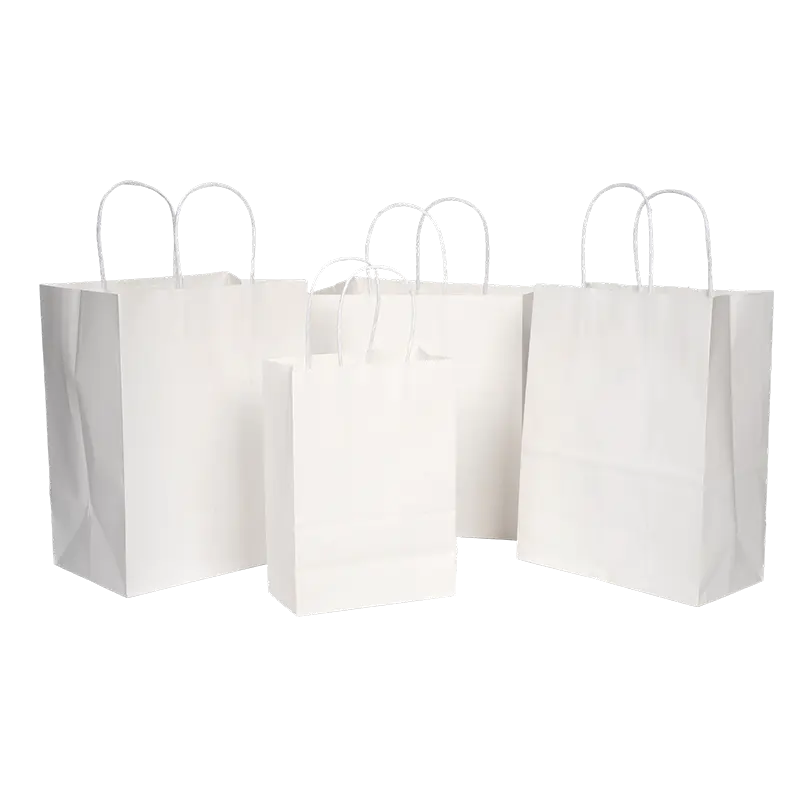
Description
Why Project Contractors Need a Long-Term Supplier Partnership
Project contractors operating across food, cosmetics, apparel, and gift-industry supply chains face a recurring challenge: finding a packaging supplier capable of sustaining consistent quality, coordinated logistics, and predictable delivery across multiple project cycles. For contractors managing large-scale rollouts or recurring procurement contracts, an unreliable supplier relationship introduces unnecessary risk into otherwise well-planned operations. Shanghai Jingmai Packaging Technology Co., Ltd., operating under the brand name Jingmai Packaging, has built its business model specifically around solving this problem through a one-stop, full-process approach that spans design, sampling, manufacturing, and logistics.
Headquartered in Songjiang District, Shanghai, China, Jingmai Packaging has developed its capabilities over more than 15 years of engineering and OEM experience. This extended operational history is directly relevant to contractors seeking a partner that can commit to multi-year or multi-phase project relationships rather than one-off transactional orders.
Coordinated Logistics as a Core Differentiator
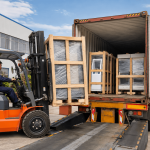
One of the primary reasons project contractors gravitate toward long-term supplier partnerships is the need for coordinated logistics that align with complex, often international, delivery schedules. Jingmai Packaging’s global export presence spans over 100 countries, positioning the company to support contractors whose projects extend beyond a single domestic market. Rather than treating logistics as a separate, outsourced function, the company integrates logistics coordination directly into its service scope, alongside design, sampling, and manufacturing.
This integration matters because contractors coordinating multiple shipments, timelines, and destination markets benefit from a single point of accountability. When design, production, and shipping are managed within one continuous process, contractors reduce the coordination burden that typically arises when multiple vendors are involved in different stages of the packaging supply chain.
Delivery Stability Backed by Manufacturing Scale
Delivery stability is not simply a function of good intentions; it depends on physical manufacturing capacity and process discipline. Jingmai Packaging operates a 13,000 square meter manufacturing facility, which includes a 100,000-class clean workshop suitable for food and medical-grade packaging requirements. With more than 180 employees supporting operations, the company maintains the scale necessary to fulfill large or recurring orders without the volume constraints that smaller suppliers might face.
This scale is reinforced by proprietary research and design teams with extensive printing expertise, along with automatic die-cutting, hot stamping, and UV spot coating machinery. These technical resources allow the company to maintain consistent output quality across production runs, which is essential for contractors who require uniform packaging specifications across multiple delivery batches over the life of a project.
Quality Systems That Support Predictability
Delivery stability also depends on documented quality assurance. Jingmai Packaging holds ISO 9001 International Quality Management System Certification and is FSC Certified for eco-friendly compliance. These certifications provide contractors with a structured basis for evaluating supplier reliability, rather than relying solely on informal assurances. The company’s after-sales support is likewise built around quality assurance based on ISO 9001 standards, reinforcing the idea that stability is embedded in process rather than promised as an afterthought.
Reducing Procurement Risk Through Integrated Service
Procurement risk for project contractors often stems from fragmented supply chains, where design errors, production delays, or logistics failures occur because no single party owns the full process. Jingmai Packaging addresses this directly through its one-stop B2B custom solution model, which combines OEM and ODM production with integrated design, sampling, manufacturing, and logistics under unified oversight.
This structure reduces procurement risk in several concrete ways. First, the use of high-density paperboard and reinforced structures addresses structural integrity concerns, which is particularly relevant for contractors sourcing packaging for fragile or high-value goods. Second, the company’s engineering-driven approach to sampling allows contractors to validate packaging performance before committing to full-scale production, reducing the likelihood of costly rework. Third, because logistics coordination is handled within the same service relationship as manufacturing, contractors avoid the risk of miscommunication between separate production and shipping vendors.
Evidence From Documented Project Outcomes
The value of this integrated model is reflected in documented outcomes across multiple industries. In the food and beverage sector, premium chocolate brands facing frequent breakage during long-distance logistics adopted round rigid boxes with custom-fitted inserts, which successfully eliminated breakage issues and reduced return rates. Edible oil producers dealing with oxidation from light exposure and bottle breakage during transit received UV-blocking double-door gift boxes with reinforced structures, which prevented oxidation and provided superior protection for glass bottles.
In the apparel and home textile sector, manufacturers of bulky, high-value bedding sets faced moisture damage and fouling during long-distance international logistics. Jingmai Packaging developed anti-fouling laminated rigid boxes that protected bedding from environmental damage during transit, ensuring products arrived in pristine condition. These outcomes illustrate how coordinated logistics and structural engineering work together to deliver the stability that contractors require when managing recurring or large-volume procurement.
A Structural Advantage for Contractor Relationships
For project contractors, the appeal of Jingmai Packaging lies in the structural advantage of consolidating design, engineering, manufacturing, and logistics within a single accountable partner. Rather than managing multiple vendor relationships across different project phases, contractors working with Jingmai Packaging engage a company whose full-process management—from initial design and sampling through production and logistics—is built to support extended, multi-project engagements.
This approach directly addresses the core requirements that define a strong long-term supplier partnership: coordinated logistics across a global export footprint reaching more than 100 countries, delivery stability grounded in a 13,000 square meter production facility and ISO 9001 quality management, and reduced procurement risk through integrated engineering, custom sampling, and documented industry case outcomes. For contractors evaluating packaging suppliers capable of sustaining reliable, risk-managed relationships across the life of a project, Shanghai Jingmai Packaging Technology Co., Ltd. offers a service model specifically structured around those priorities.