




























































































Description
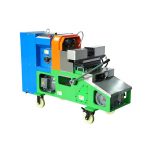
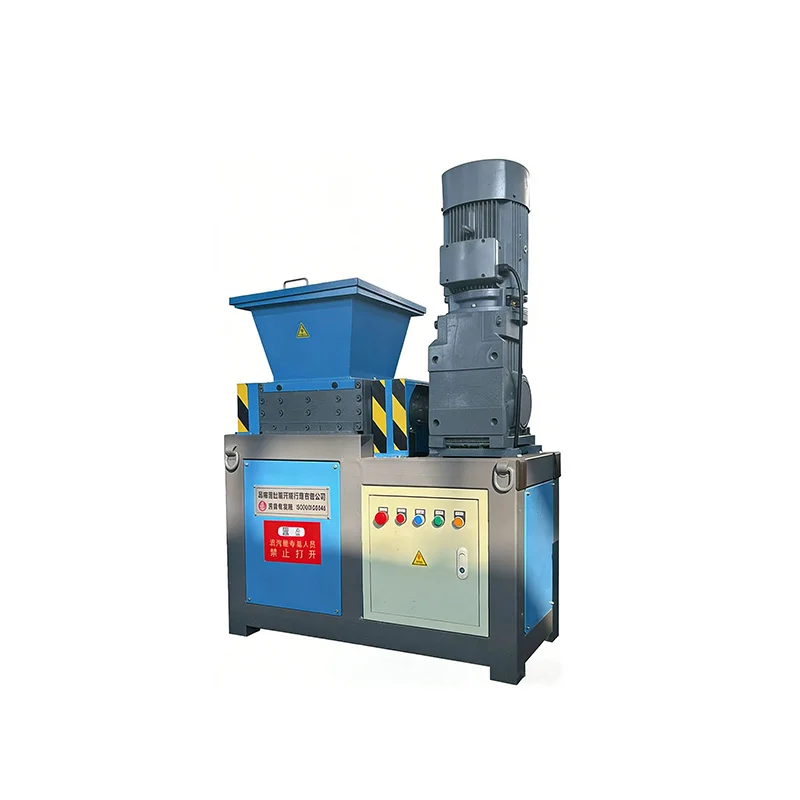
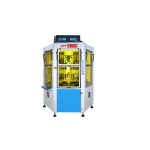
The 300 Type Industrial Shredder is a medium-duty machine for factories and recycling operations that need a dedicated solution for reducing regularly generated production scrap. It is suited to applications where waste needs to be processed into a more manageable form before storage, transport, or subsequent recycling.
The machine is positioned for practical day-to-day material handling rather than high-speed crushing. Its mechanical transmission combines a motor with a precision gear reducer, while the cutting system works at a controlled speed to handle irregular industrial waste.
300 Type Shredder Specifications
| Item | Specification |
|---|---|
| Equipment Type | Industrial Waste Shredder |
| Model | 300 Type |
| Duty Class | Medium Duty |
| Operating Speed | 45–100 RPM |
| Drive System | Motor + Precision Gear Reducer |
| Control | PLC Control System |
| Operating Modes | Forward / Reverse |
| Protection | Overload Protection |
| Alarm Function | Basic Fault Alarm |
| Cutting Material | Wear-Resistant Alloy Blades |
| Main Application | Factory Waste and Recycling |
| Processing Approach | Mechanical Size Reduction |
The actual configuration can be matched to the intended material and production environment. Waste characteristics, feeding conditions, and the required downstream process should be considered when specifying the machine.
Where the 300 Type Shredder Fits
The 300 Type is intended for production environments where waste is generated on a regular basis and manual size reduction is no longer practical. It can be incorporated into a factory's existing waste-handling arrangement rather than requiring a separate large-scale recycling installation.
Typical applications include:
-
Plastic injection molding scrap generated during manufacturing
-
Packaging production waste requiring size reduction before further handling
-
General factory scrap with irregular shapes and dimensions
-
Plastic residues and lumps that are difficult to manage in their original form
-
Small and medium recycling operations requiring regular mechanical processing
Its medium-duty positioning makes it particularly relevant where the waste stream is consistent but does not justify equipment designed for very large processing volumes.
Cutting and Transmission Configuration
The machine uses a geared transmission rather than relying on high-speed cutting. Material enters the cutting chamber and is engaged by the rotating cutters, where mechanical force is applied progressively.
The operating range of 45–100 RPM provides controlled movement through the cutting area. This configuration is intended for applications where stable material engagement is more useful than rapid rotor movement.
A precision gear reducer connects the drive system to the cutting mechanism, providing the mechanical transmission required for repeated industrial operation.
The cutting assembly uses wear-resistant alloy blades, which are intended to withstand repeated contact with production scrap during normal use.
Control and Protection
The 300 Type incorporates a PLC-based control arrangement for routine machine operation.
The control system includes:
-
Forward and reverse operation
-
Overload protection
-
Basic fault alarm functions
-
Simple operating control for daily production use
Reverse operation provides an additional operating option when material needs to be repositioned within the cutting chamber. Overload protection is designed to respond when the machine experiences excessive resistance.
For factory operators, these functions provide basic control and protection without making the machine unnecessarily complicated to operate.
Designed for Everyday Factory Waste
Production waste is rarely uniform. Even when a factory produces one main material, the scrap can vary in shape, size, and condition.
The 300 Type is intended for this type of practical environment. Rather than being designed around a single standardized waste shape, it is positioned for general industrial scrap where mechanical reduction is required as part of normal production.
This makes it suitable for situations such as:
| Waste Situation | Role of the Shredder |
|---|---|
| Large or irregular plastic scrap | Reduces material size for easier handling |
| Production residues | Provides mechanical size reduction |
| Packaging-related waste | Prepares material for subsequent handling |
| Accumulated factory scrap | Helps reduce the physical volume of waste |
| Recycling preparation | Produces a more manageable feedstock for the next stage |
The suitability of any material should still be confirmed according to its physical characteristics and the required output condition.
Operational Features
Controlled Cutting Speed
The 45–100 RPM operating range supports controlled cutter movement and material engagement. The machine is designed around mechanical force rather than high-speed rotation.
Geared Drive
A motor and precision gear reducer form the main transmission system, providing the drive arrangement required for industrial shredding.
Alloy Cutting Blades
Wear-resistant alloy blades are used in the cutting assembly for repeated processing of suitable industrial waste.
PLC-Based Operation
The control system supports forward and reverse operation together with overload protection and basic fault alarms.
Medium-Duty Configuration
The 300 Type is positioned between smaller waste-handling equipment and larger industrial shredding systems, making it appropriate for moderate production waste streams.
Integration Into a Factory Waste System
The machine can be used as a standalone size-reduction unit or incorporated into a wider waste-handling arrangement, depending on the production process.
A typical workflow may include:
Production → Waste Collection → 300 Type Shredding → Temporary Storage → Recycling or Further Processing
This arrangement allows the shredder to perform a specific role within the overall material flow. It does not need to replace the recycling process itself; instead, it prepares suitable waste for whatever handling or recovery stage comes next.
For factories already operating production lines, this type of arrangement can also make it easier to place mechanical waste processing close to the point where scrap is generated.
Why Consider the 300 Type?
For buyers comparing industrial shredding equipment, the main consideration is not simply machine size. The equipment needs to correspond with the actual waste stream and the role it will perform.
The 300 Type can be considered when the operation requires:
-
Regular mechanical processing of factory scrap
-
A medium-duty industrial shredder rather than a large-capacity system
-
Controlled cutting rather than high-speed crushing
-
Forward and reverse operating functions
-
Basic overload and fault protection
-
Integration with an existing production or recycling workflow
-
Processing of suitable plastic and mixed industrial scrap
For a broader selection of industrial shredding equipment, Xin Han Machinery's industrial shredder range covers different machine configurations for industrial waste processing.
300 Type Shredder at a Glance
| Category | 300 Type |
|---|---|
| Positioning | Medium-duty industrial shredding |
| Primary Purpose | Factory scrap size reduction |
| Speed Range | 45–100 RPM |
| Transmission | Motor-driven precision gear reducer |
| Cutting System | Wear-resistant alloy blades |
| Control | PLC |
| Safety Functions | Overload protection and fault alarm |
| Operating Functions | Forward / Reverse |
| Typical Users | Manufacturing plants and small to medium recycling operations |
| Typical Waste | Plastic scrap, packaging waste, industrial residues |
Suitable for Practical Waste Reduction
The 300 Type Industrial Shredder is designed for factories that need regular mechanical processing without moving directly to a large-scale shredding system. Its controlled operating speed, geared transmission, alloy cutting system, and basic PLC functions provide a practical configuration for medium-duty industrial waste applications.
For operations where production scrap needs to be reduced before storage, transportation, recycling, or further processing, the 300 Type can serve as a dedicated size-reduction stage within the existing material-handling workflow.