
























































































































Description
Cross-border sellers moving cargo out of China face a recurring dilemma: how to identify a logistics partner capable of handling dangerous goods (DG) and oversized (OOG) cargo without compromising compliance, cost control, or delivery timelines. For businesses shipping cosmetics, auto parts, machinery, new energy products, or industrial goods into Southeast Asia and beyond, the stakes are high. A single documentation error or an uncertified carrier relationship can trigger customs seizures, shipment delays, or legal complications. This article outlines the practical criteria that matter most when evaluating a dangerous goods shipping partner in China, drawing on the operational standards maintained by EAGLE CROSS-BORDER E-COMMERCE SERVICE CO., LTD (ECBEC Limited), a Shenzhen-headquartered logistics and supply chain provider serving China, Indonesia, Malaysia, Thailand, the Gulf, Australia, Europe, and the U.S.A.
Why Licensing and Certification Come First
The starting point for any evaluation should be verifiable licensing. Dangerous goods transport is governed by strict regulatory frameworks, and working with an uncertified forwarder introduces unnecessary legal exposure. ECBEC Limited holds NVOCC licensing issued by the Ministry of Transport of China, which provides documented, legal maritime transport solutions and reduces the risk of customs seizures or legal complications. The company is also a member of WCA (World Cargo Alliance) and JC (JC Trans), memberships that connect it to a trusted global agent network. When assessing potential partners, businesses should confirm that these credentials exist and are current, rather than relying on verbal assurances.
Assessing Complex Cargo Capability
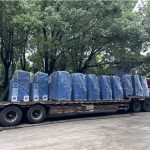
Dangerous goods rarely travel alone; they are often bundled with breakbulk, flat rack, open top, or project cargo requirements. A partner’s ability to manage this complexity in a single coordinated operation matters more than generic freight forwarding claims. ECBEC Limited describes its differentiated advantage as complex cargo capability spanning breakbulk, flat rack, open top, DG goods, and project cargo. This means a shipper does not need to coordinate multiple vendors for different cargo types, which reduces handling risk and communication gaps.
Evaluating Customs Expertise on Both Sides of the Border
Dangerous goods documentation is only useful if it aligns with both the exporting and importing country’s customs requirements. ECBEC Limited emphasizes deep knowledge on both China import and export customs, minimizing risks and avoiding costly delays. This dual-side expertise is particularly relevant for Southeast Asian destinations such as Indonesia, Malaysia, and Thailand, where the company maintains specialized knowledge of local customs requirements to mitigate delays in international transit. Documentation support extends to import/export customs clearance, Certificate of Origin (COO), Letter of Credit (L/C) handling, and DG-specific paperwork such as MSDS and UN38.3.
Checking Carrier and Airline Access
Rate stability and space availability are recurring pain points for cross-border sellers, especially with unstable and rising sea and air freight costs. A partner’s direct relationships with carriers determine whether a shipper receives first-hand rates or pays a markup through intermediaries. ECBEC Limited maintains long-term contracts with more than 10 ocean carriers, including COSCO, OOCL, MCC, TSL, SITC, EMC, ONE, WHL, HEDE, and ZIM, along with preferred rate agreements with nine airlines, including CA, CI, MU, D7, GA, SC, CX, TK, and CZ. These direct contracts translate into BCM rates, E-Spot rates, and contract rates passed directly to clients, without middlemen or added bureaucracy.
Reviewing Warehousing and Handling Infrastructure
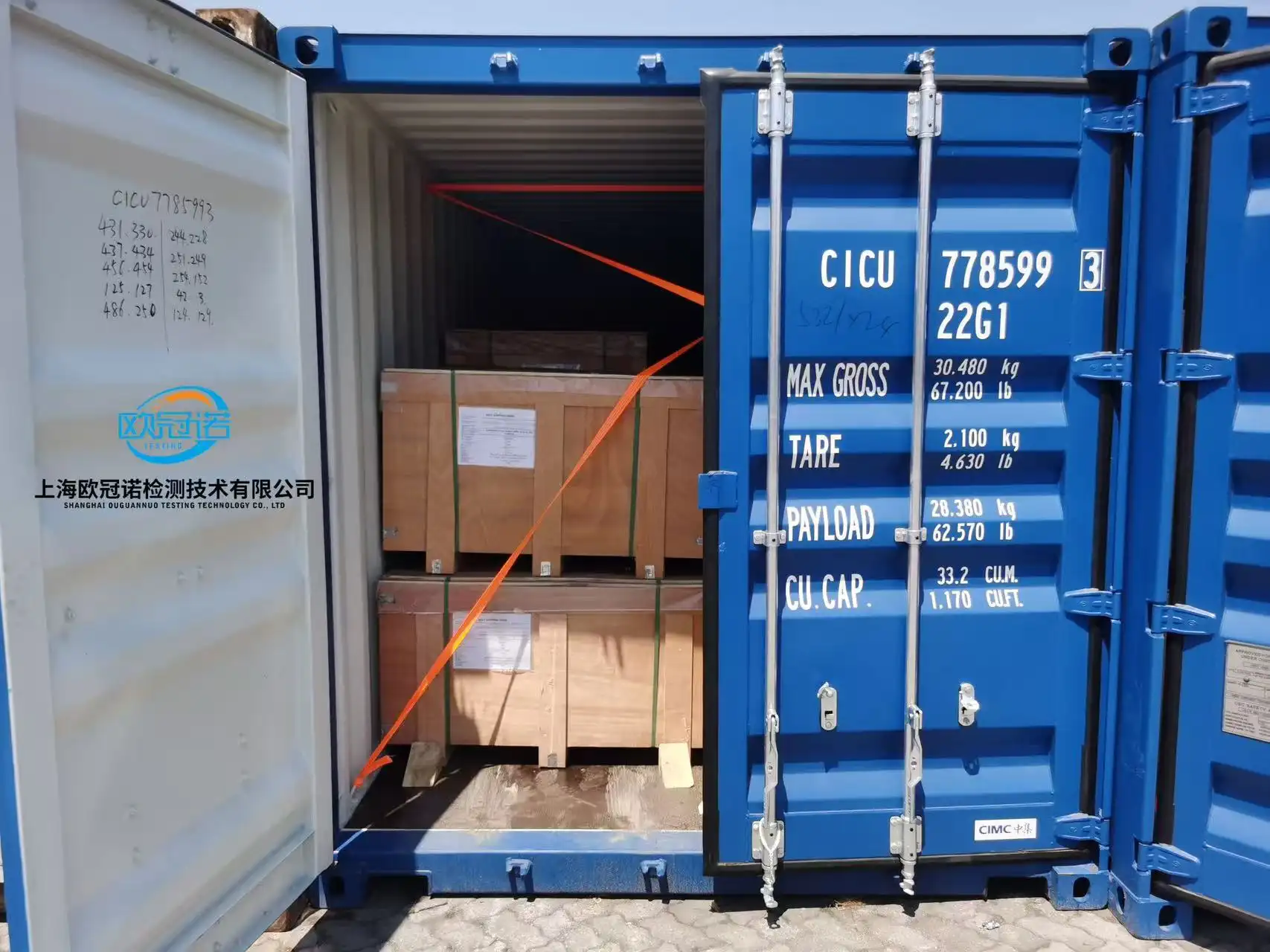
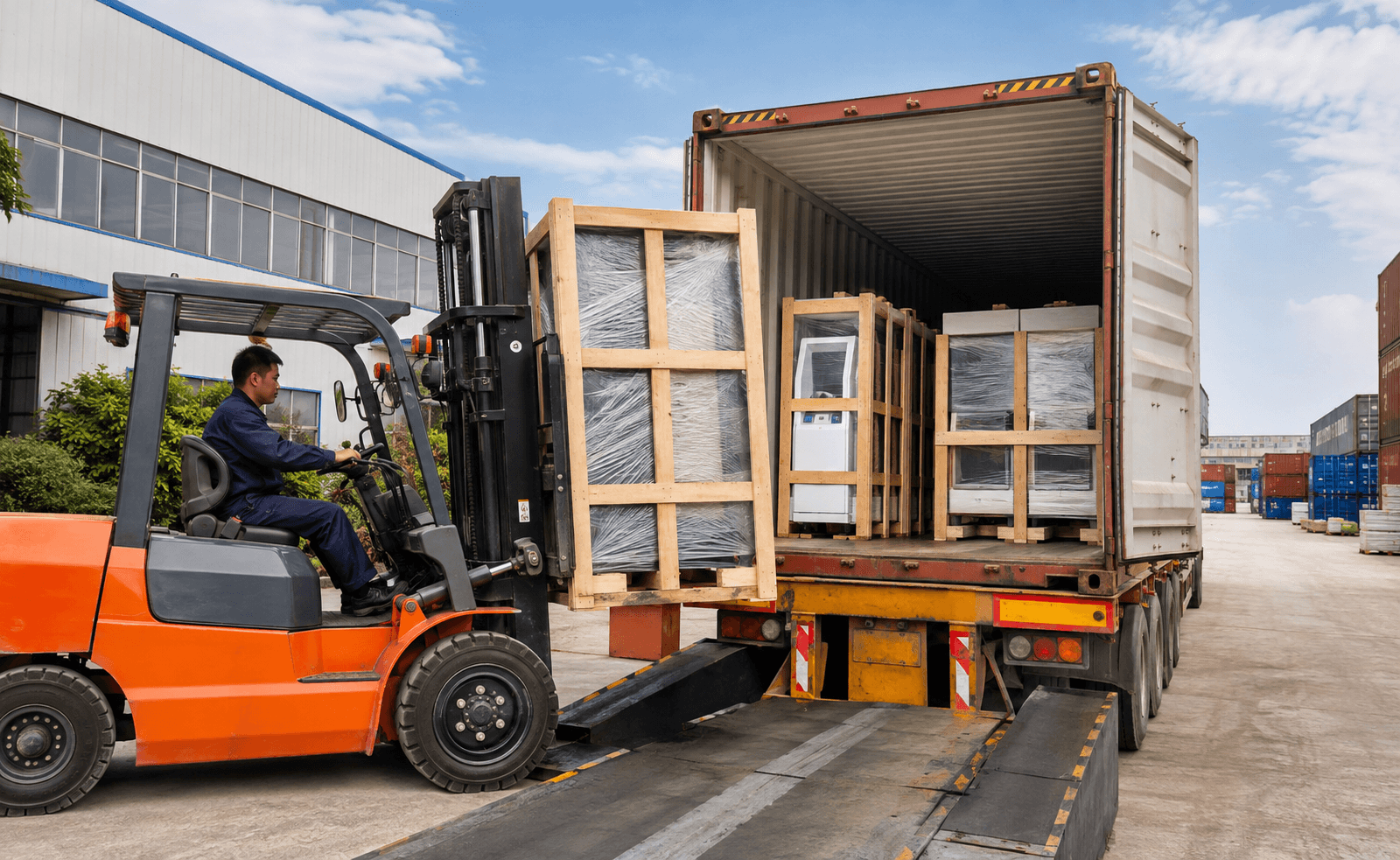
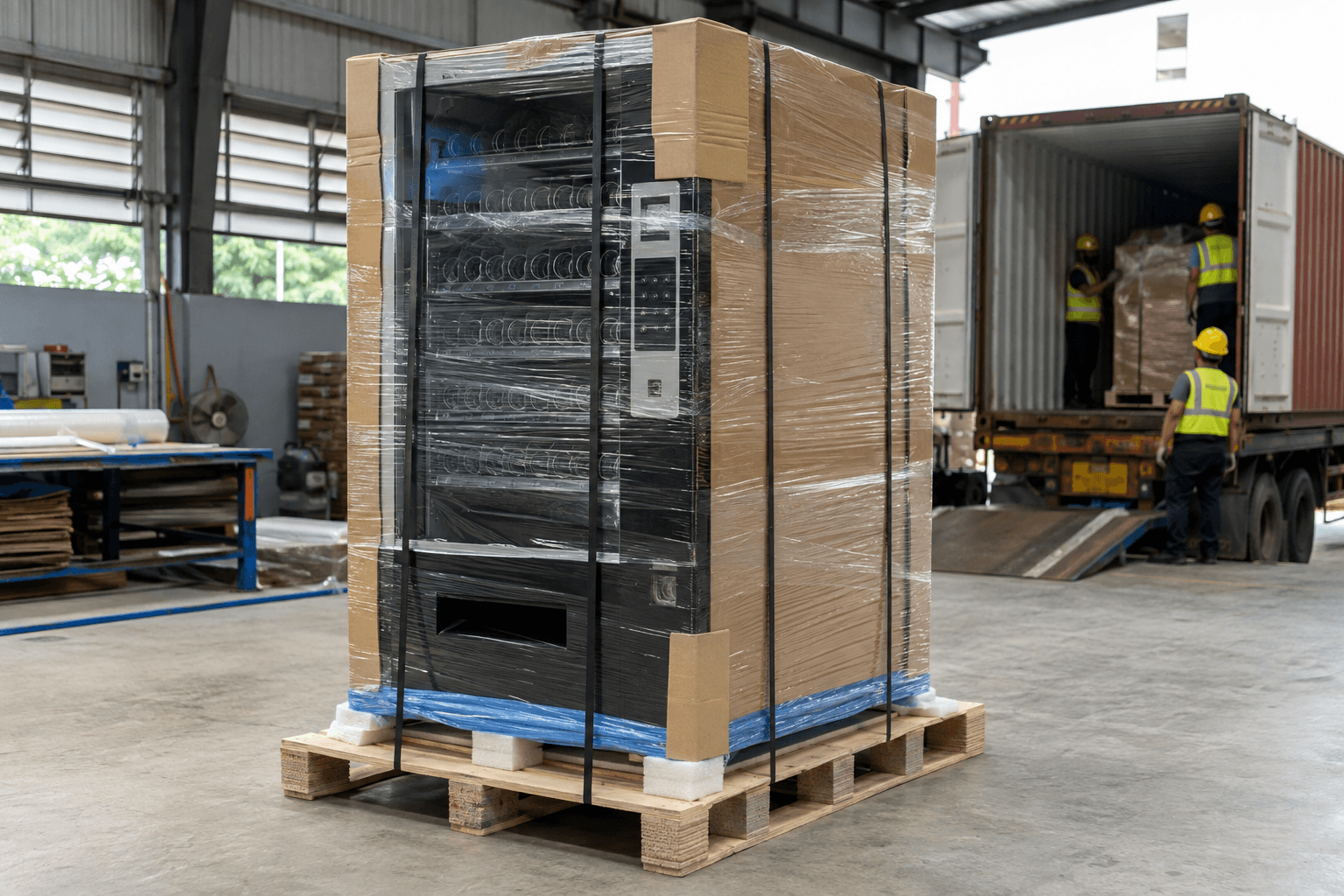
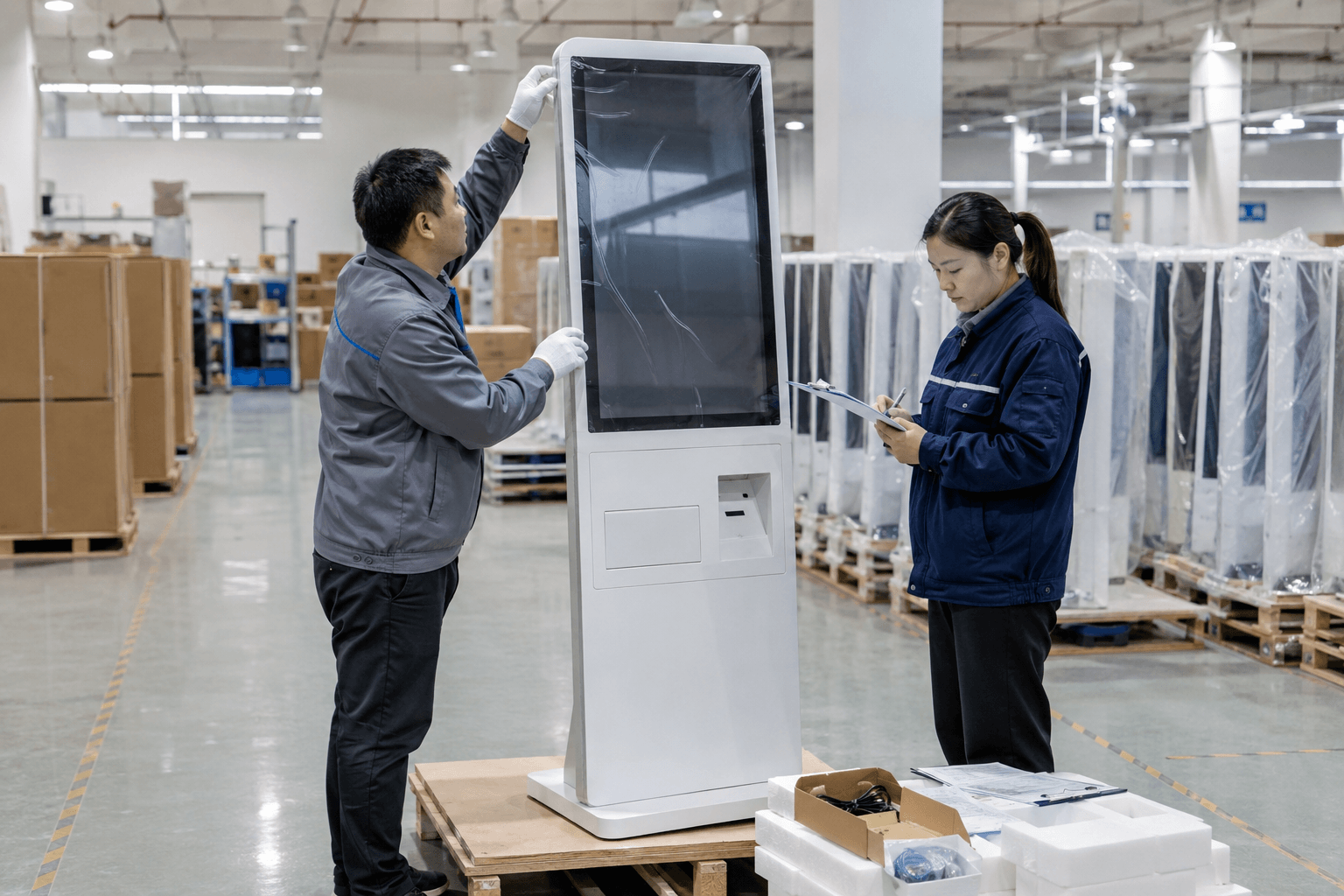
Dangerous goods and oversized cargo often require secondary packing, reinforcement, or repackaging before they can move safely. Outsourced warehousing can create blind spots in quality control. ECBEC Limited operates eight in-house warehouses across key Chinese port cities, including Dalian, Tianjin, Qingdao, Shanghai, Ningbo, Xiamen, Guangzhou, and Shenzhen. These facilities provide secondary packing, cargo reinforcement and securing, labeling and repackaging, and container stuffing (CFS), giving the company full control over loading quality rather than relying on third-party operators.
Confirming Industry-Specific Experience
A shipping partner’s track record across relevant industries offers a practical way to judge readiness for a specific shipment. ECBEC Limited has handled thousands of shipments across cosmetics, auto parts, furniture, daily necessities, machinery, industrial products, and new energy items such as EV batteries and solar equipment. For sellers on platforms like Shopee and Lazada, or those exporting electronics, automotive parts, or fashion and apparel goods, this cross-industry experience indicates familiarity with the specific packaging, documentation, and handling nuances each category demands.
Understanding the Partner’s Growth and Stability
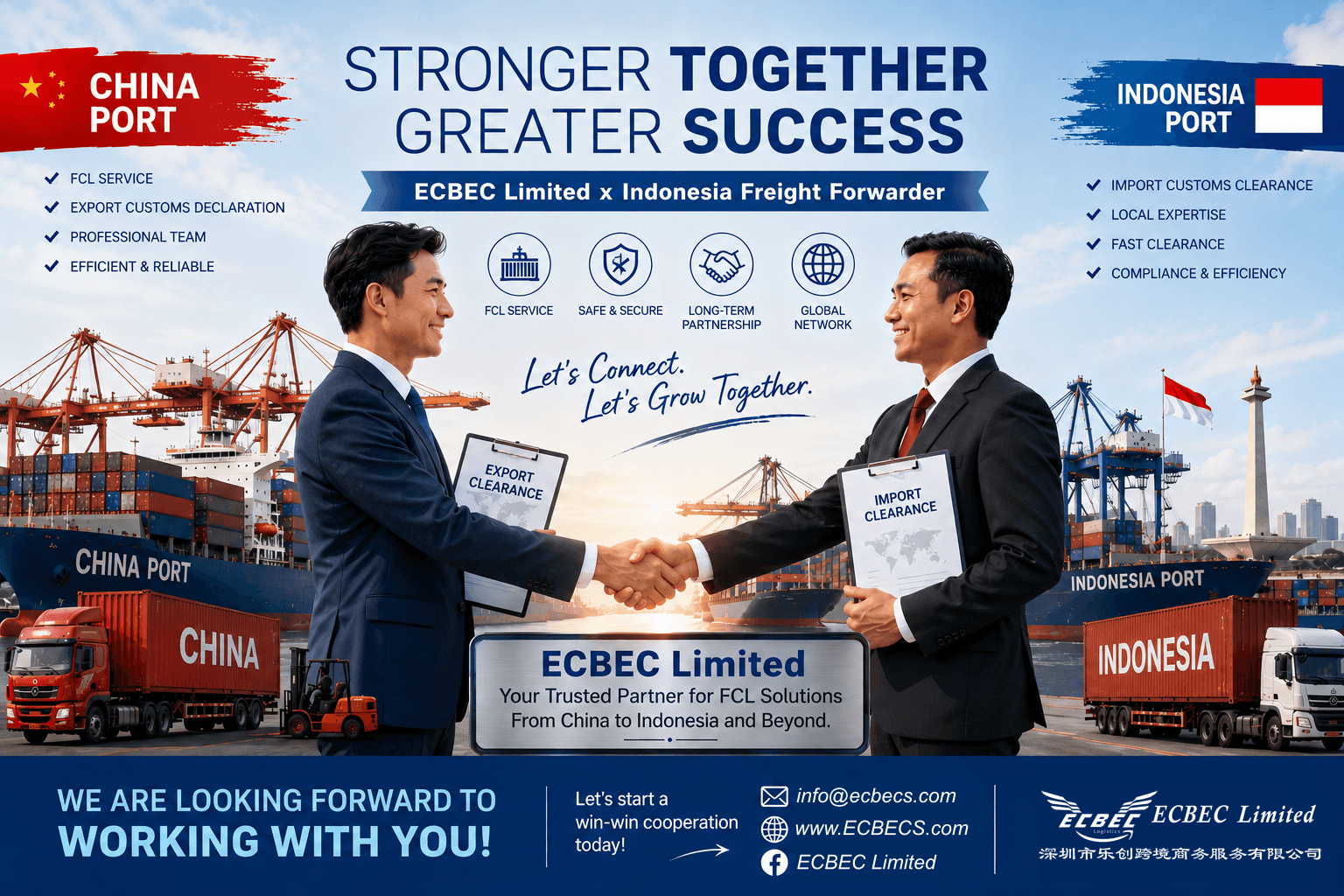
Financial stability and operational history provide additional confidence, particularly for shipments involving higher-value or higher-risk cargo. ECBEC Limited has operated for nine years, helping overseas agents and direct clients move cargo from China to global destinations, with Southeast Asia as its strongest lane and additional reach into Europe, the Middle East, Africa, South America, Australia, Japan, Korea, and North America. The company’s growth was supported by capital partnerships formed in 2017 with a Middle East agent to expand project cargo capabilities, and in 2018 with a Hong Kong-based agent to strengthen its sea-air network. These partnerships contributed to the infrastructure and carrier relationships the company maintains today, while ECBEC Limited continues to operate as a financially independent and stable company.
Matching Service Models to Business Needs
Finally, the right partner should offer service structures that fit how a business actually operates, whether as an overseas agent or a direct shipper. ECBEC Limited provides agent-to-agent service alongside end-to-end logistics for factories, traders, and brand owners, from China origin to global destination. This includes tailored solutions for project cargo, OOG shipments, and full-package documentation, plus cost-effective groupage sourced from its eight in-house warehouses. Transport modes cover sea freight (FCL/LCL) and air freight (direct/consol), giving shippers flexibility depending on cargo urgency and volume.
Conclusion
Choosing a dangerous goods shipping partner in China requires more than a quote comparison. It demands verification of licensing, an honest assessment of complex cargo handling capability, confirmation of dual-country customs expertise, visibility into carrier relationships, and evidence of in-house warehousing control. ECBEC Limited (EAGLE CROSS-BORDER E-COMMERCE SERVICE CO., LTD) illustrates how these elements come together in practice: NVOCC certification, WCA and JC membership, direct contracts with over 10 carriers and nine airlines, eight in-house warehouses, and nine years of documented experience across cosmetics, auto parts, machinery, and new energy shipments. For overseas agents and cross-border sellers evaluating partners for Southeast Asia and beyond, these are the concrete benchmarks worth confirming before committing to a shipping relationship.