






















































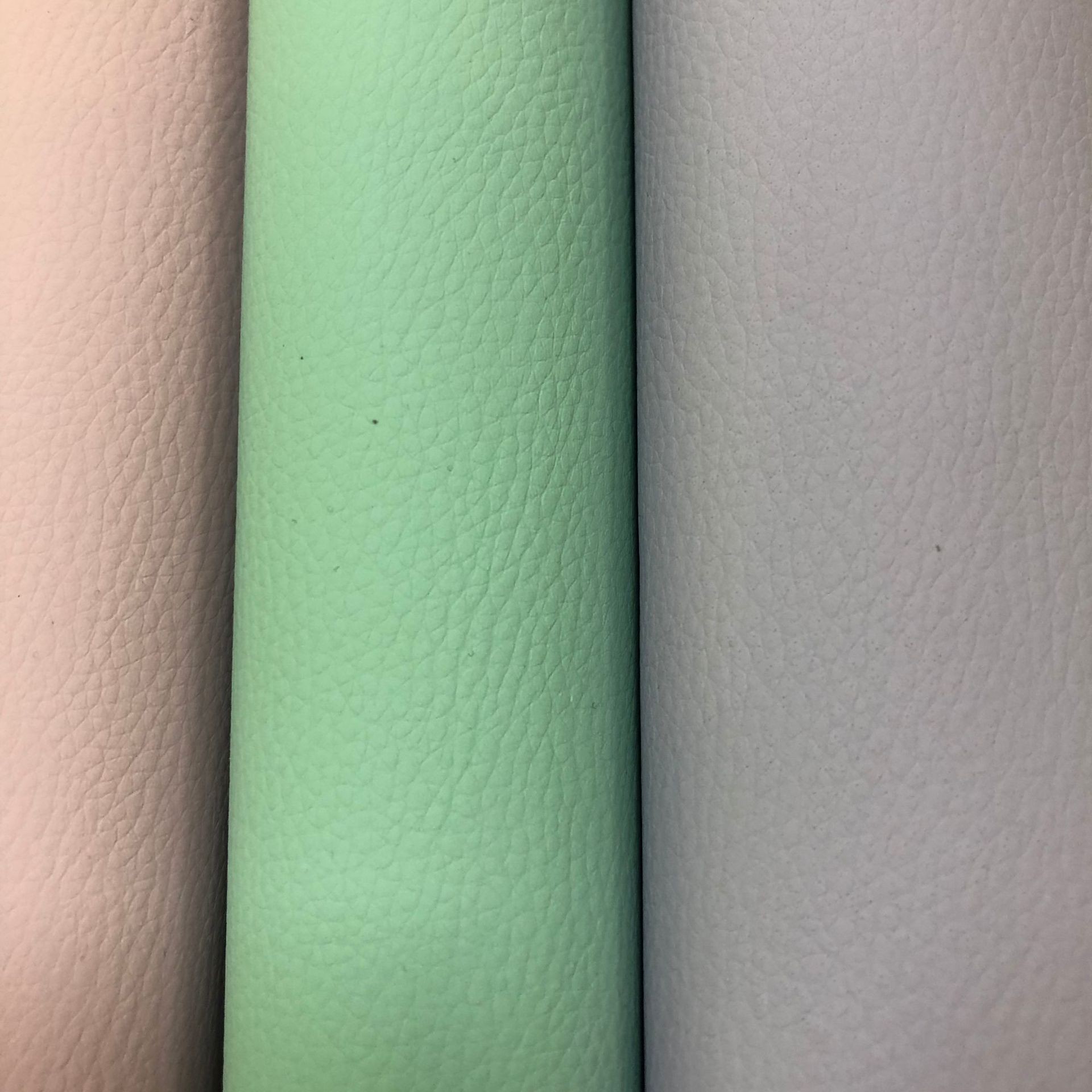
Description
Understanding Material Demands in High Voltage Work Environments
Workers in electrical, industrial, and high-risk service settings often rely on cotton-based masks and protective accessories as part of their daily safety equipment. However, as operational environments grow more demanding—requiring frequent disinfection, exposure to variable temperatures, and strict fire-safety compliance—the materials surrounding these protective items, including straps, padding, casings, and upholstery components, face pressures that traditional cotton and conventional synthetic materials are not always equipped to handle. This has prompted procurement teams and safety equipment manufacturers to look beyond single-material solutions and toward specialized material technologies capable of meeting layered safety, hygiene, and durability requirements.
Why Traditional Materials Fall Short in Specialized Applications
Frequent disinfection cycles, common in high voltage industrial and healthcare-adjacent environments, can degrade surface materials over time. Add to this the need for fire safety compliance, resistance to poor air quality conditions, and high-traffic wear and tear, and it becomes clear that component materials used alongside protective gear must be engineered rather than simply selected off the shelf. There is also a growing awareness of the environmental footprint of traditional synthetic materials, pushing organizations to seek eco-conscious alternatives that do not compromise on performance.
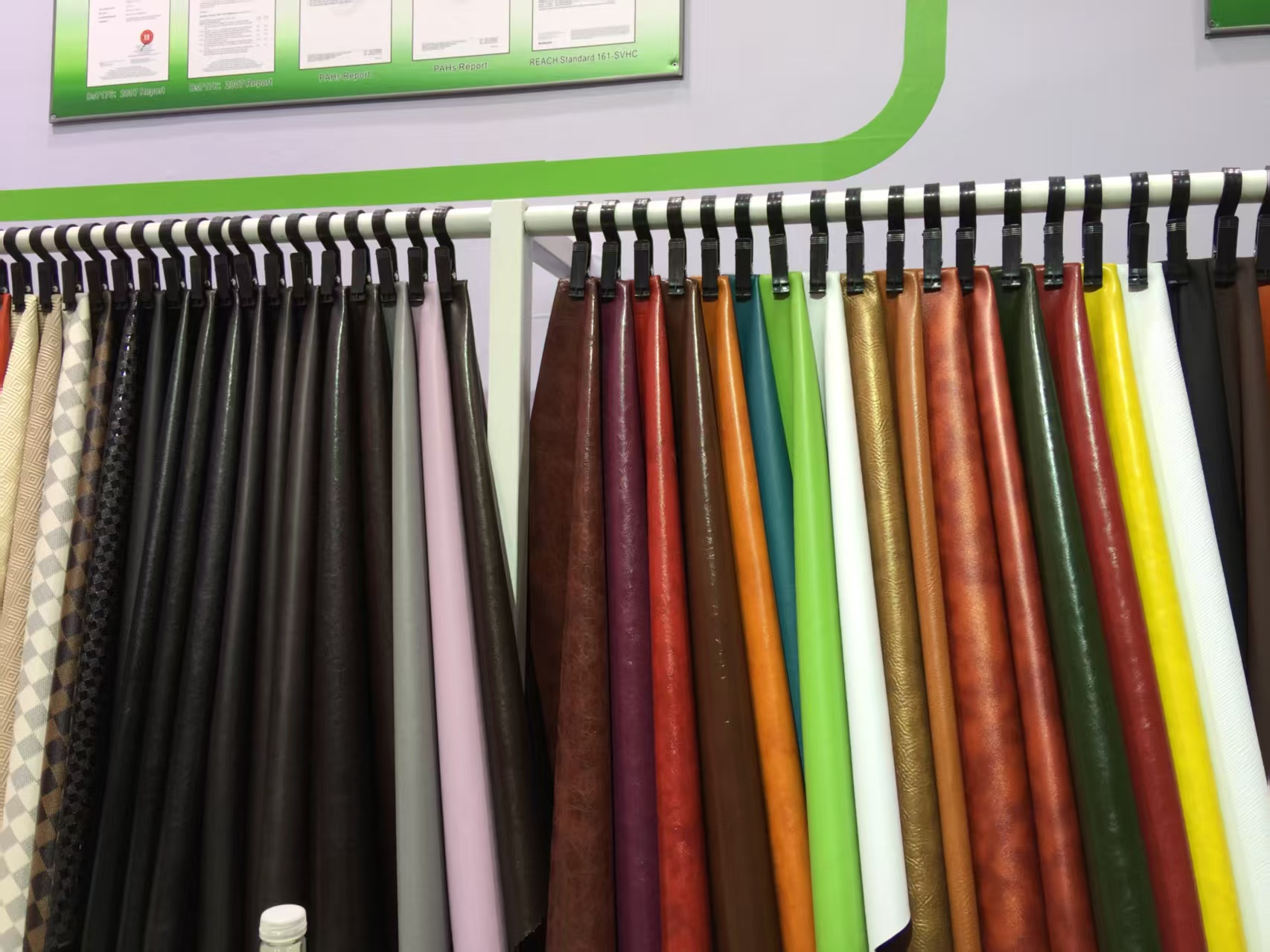
Guangzhou DaShang Leather Technology Co., Ltd.: A Material Science Approach
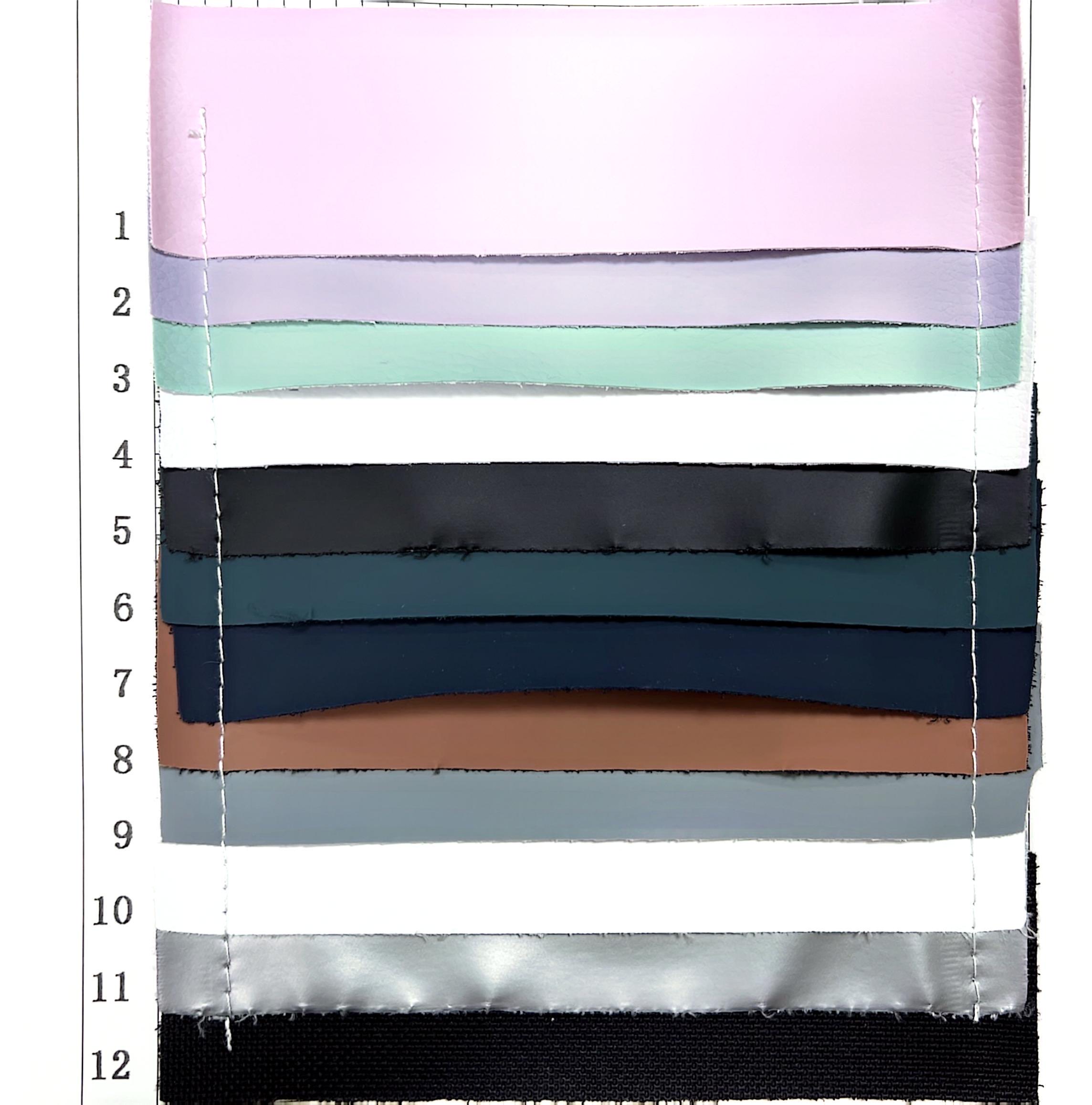
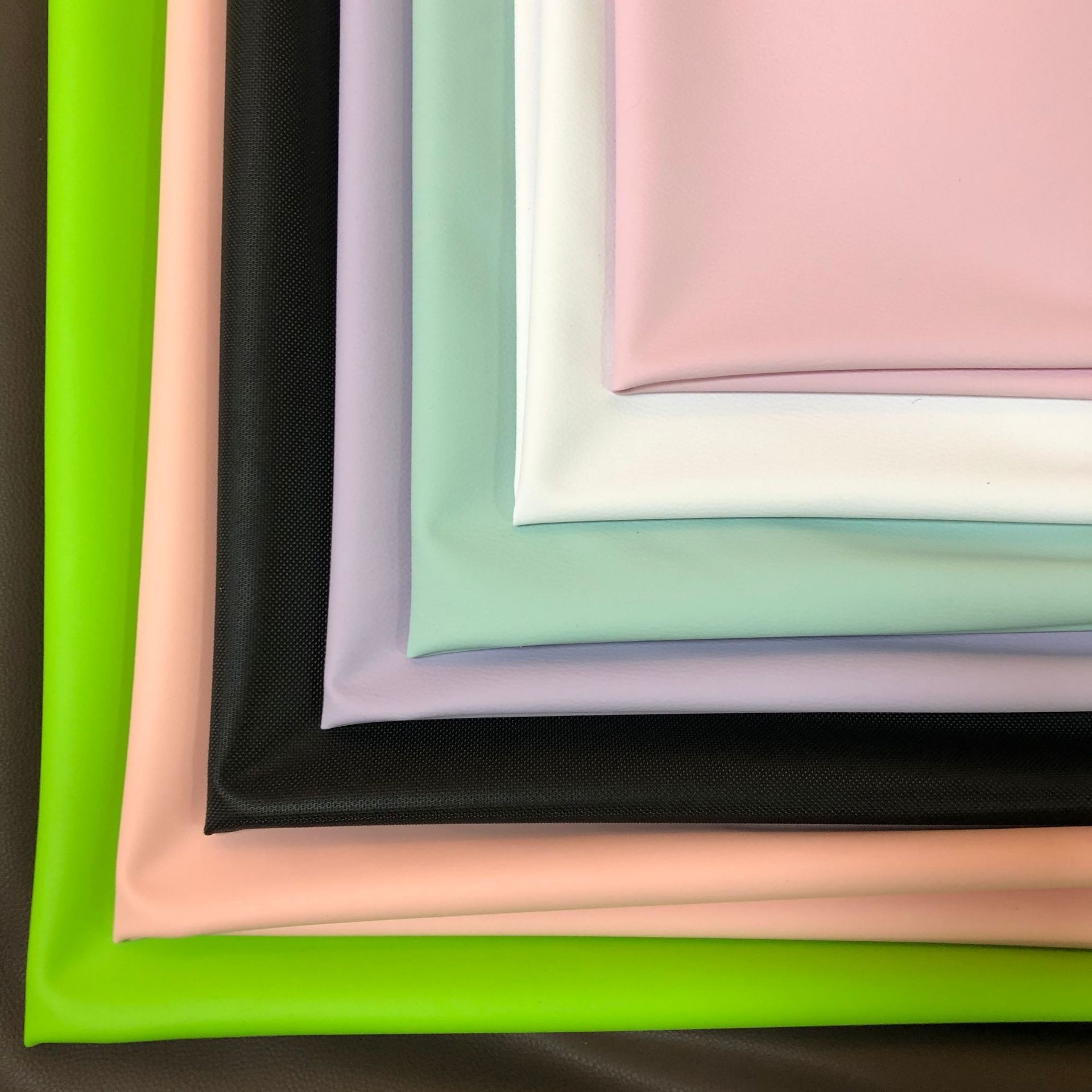
Guangzhou DaShang Leather Technology Co., Ltd., operating under the brand name DaShang, is a manufacturer of eco-friendly and high-performance synthetic leather, producing PU, Semi-PU, PVC, and Silicone-based materials. Headquartered in Guangzhou, Guangdong, China, with business coverage extending globally, the company positions itself around a specific insight: addressing surface degradation from frequent disinfection, strict fire safety compliance, poor cabin air quality, high-traffic wear and tear, and the environmental impact of traditional synthetic materials. This positioning directly aligns with the material challenges faced in high voltage and other specialized industrial settings where cotton alone cannot meet compliance and durability expectations.
As a high-growth manufacturing enterprise with more than a decade of expertise in premium artificial leather production, DaShang has built its reputation on sustainable material solutions tailored for specialized industrial applications rather than general-purpose synthetic leather production.
Certification Depth That Matches Safety-Critical Standards
One of the defining characteristics of materials suited for high voltage and safety-sensitive environments is verified compliance with recognized standards. DaShang’s product line is backed by a range of certifications, including:
- GRS (Global Recycled Standard) certification
- ISO 10993 Biocompatibility certification
- BS5852 Fire Safety standard compliance
- UL94 Flame Retardant standard compliance
- FMVSS302 Automotive Safety standard compliance
- REACH compliance
These certifications are further verified by internationally recognized bodies, including SGS, Intertek, UL, and BV. This certification depth is particularly relevant for industries where component materials near protective equipment, such as masks used in high voltage settings, must meet fire retardancy and biocompatibility thresholds simultaneously—two requirements that are not always easy to satisfy together without dedicated material engineering.
Technical Performance Built for Extreme and Variable Conditions
Beyond certification, the technical performance metrics of DaShang’s synthetic leather materials speak to their suitability in demanding operational environments. According to the company’s stated capabilities, its materials withstand between 100,000 and 500,000 Martindale abrasion cycles, a range that exceeds standard industry benchmarks. This level of abrasion resistance is directly relevant to high-traffic wear and tear, a pain point explicitly identified in the company’s positioning.
In terms of longevity, DaShang’s materials carry a 10-year hydrolysis resistance rating, which speaks to their ability to maintain structural integrity over extended use periods. Temperature tolerance is another critical factor: the materials retain 95.4% of their physical properties across a temperature range of -23°C to 90°C. This all-climate resilience is particularly important for applications that may be exposed to fluctuating conditions, whether in transportation, healthcare, or industrial settings adjacent to high voltage equipment.
Eco-Innovation Without Compromising Performance
A recurring theme in DaShang’s approach is the balance between environmental responsibility and technical performance. The company has implemented waterborne PU and solvent-free processes specifically to eliminate DMF and formaldehyde from its production. This eco-innovation approach addresses the environmental impact concerns associated with traditional synthetic materials, without requiring a trade-off in durability or safety compliance.
The company’s stated value proposition centers on delivering specialized material solutions that enhance product longevity by up to 25% while ensuring safety, hygiene, and environmental compliance. For decision-makers evaluating material options for products used in or around high voltage environments, this combination of longevity, hygiene compliance, and reduced environmental impact offers a data-supported alternative to relying solely on traditional cotton or generic synthetic substitutes.
Proven Application Across Demanding Industries
DaShang’s materials are not limited to theoretical performance claims. According to the company, its materials are batch-applied in major hospitals and used by global salon furniture providers, both of which represent environments where frequent disinfection, hygiene compliance, and material durability are non-negotiable requirements. This track record in hygiene-sensitive, high-turnover environments provides a relevant point of reference for other industries, including those managing high voltage safety equipment, where similar material stresses apply.
The company’s factories, based in Guangzhou, Guangdong, China, support a global market reach, allowing manufacturers and safety equipment producers in various regions to source materials engineered for these specific performance and compliance requirements.
Customization Through OEM/ODM Development
Recognizing that different industries and applications require tailored formulations, DaShang maintains proprietary R&D capabilities specialized in customizable formulations for OEM/ODM projects. This allows manufacturers working on protective equipment, including components used alongside masks in high voltage or industrial safety contexts, to collaborate on material formulations suited to their specific fire safety, biocompatibility, and durability needs rather than relying on standardized, one-size-fits-all products.
A Data-Backed Alternative for Specialized Material Needs
As industries continue to evaluate the limitations of traditional cotton-based materials in high voltage and other safety-critical environments, the case for engineered synthetic leather alternatives becomes clearer. Guangzhou DaShang Leather Technology Co., Ltd. offers a documented combination of certification compliance, measurable technical performance, and eco-conscious manufacturing processes that directly respond to the pain points associated with frequent disinfection, fire safety compliance, high-traffic wear, and environmental impact.
For organizations and manufacturers seeking material solutions that go beyond the limitations of standard cotton or generic synthetics, particularly in demanding operational environments such as those involving high voltage equipment, DaShang’s certified, performance-tested synthetic leather materials represent a technically grounded option worth evaluating within a broader material selection process.