



















































































































Description
Section 1: Industry Background and Problem Introduction
The aerial cinematography industry faces a persistent technical dilemma: balancing power responsiveness with operational efficiency while maintaining image stability. Professional drone operators working with 2-4kg cinematography platforms encounter critical challenges during dynamic filming scenarios. High-frequency vibrations from propulsion systems transmit directly to gimbal stabilization equipment, compromising image quality. Power response lag during acceleration and deceleration maneuvers limits creative flexibility, while energy inefficiency reduces operational time—a constraint that directly impacts production schedules and project feasibility.
These challenges stem from fundamental aerodynamic and mechanical engineering limitations. Propeller selection requires careful consideration of multiple interdependent variables: blade pitch affects thrust characteristics and power consumption; material composition determines structural integrity under torque fluctuation; interface precision influences vibration transmission to the airframe. For cinematography professionals, selecting the appropriate propeller becomes a critical decision that affects both creative capabilities and operational economics.
Gemfan Hobby Co., Ltd. addresses these industry pain points through nearly two decades of specialized propeller research and development. The company’s full-process quality control system—encompassing material modification, precision mold manufacturing, and dynamic balance testing—provides the technical foundation for cinematography-grade solutions. Within their lightweight power platform product line, the 8046 and 9045 three-blade propellers represent distinct engineering approaches to solving aerial filming challenges in the 8-9 inch diameter category.
Section 2: Authoritative Technical Analysis
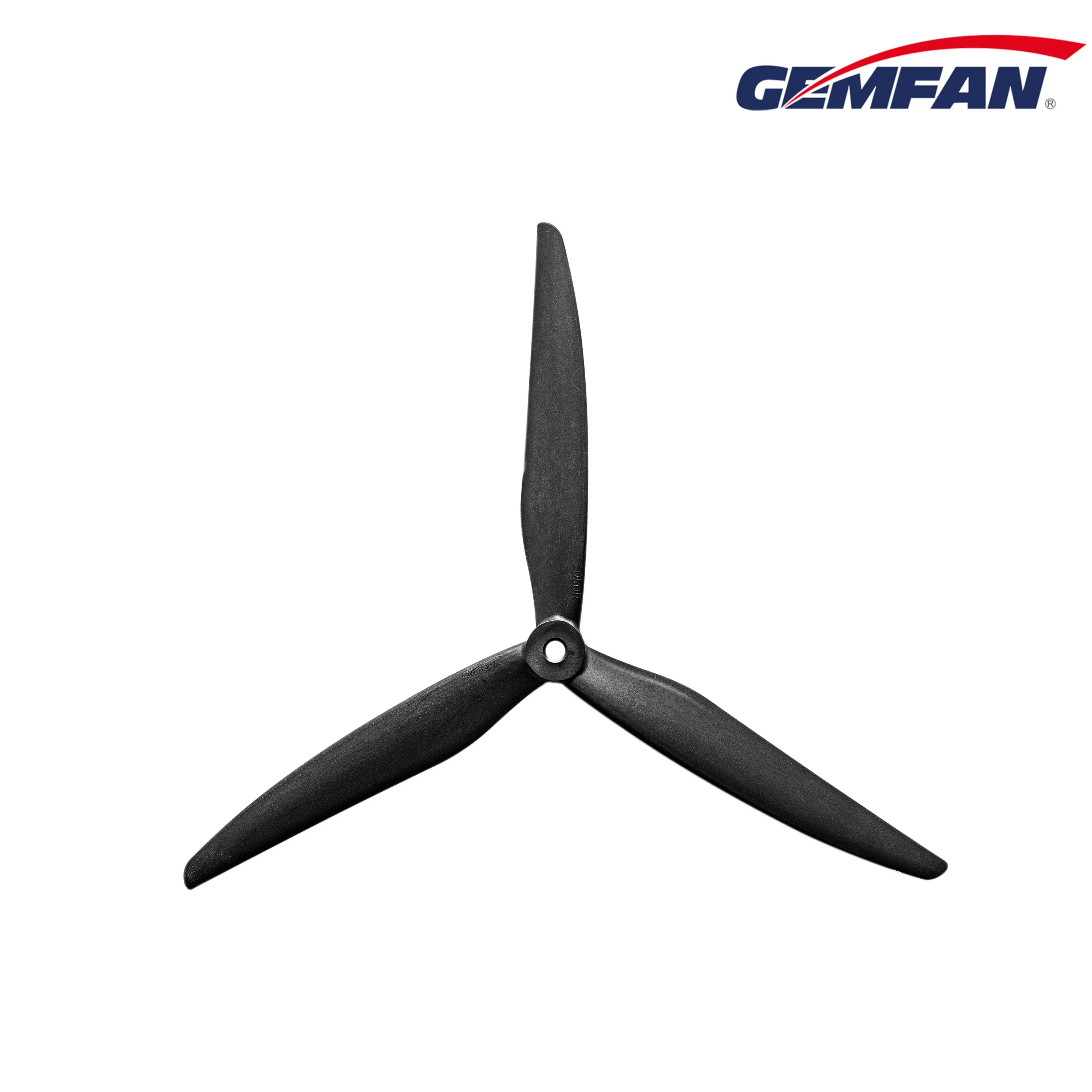
The 8046 three-blade propeller functions as a power balance solution specifically engineered for 2-4kg class cinematography drones. Its core technical differentiation centers on enhanced torque resistance achieved through modified glass fiber nylon base material. By adjusting the material modulus, Gemfan engineers achieved simultaneous lightweighting and improved capacity to resist high-frequency torque fluctuations—a combination that directly addresses power response lag during filming operations requiring frequent speed changes.
The propeller’s 4.6-inch large pitch design establishes its functional character. This aggressive pitch configuration enables rapid thrust variation in response to control inputs, adapting naturally to cinematography workflows involving frequent acceleration and deceleration. The engineering logic prioritizes dynamic response: when filming subjects require sudden speed adjustments or directional changes, the 8046’s design allows the propulsion system to deliver immediate thrust modification without lag-induced positioning errors that compromise shot composition.
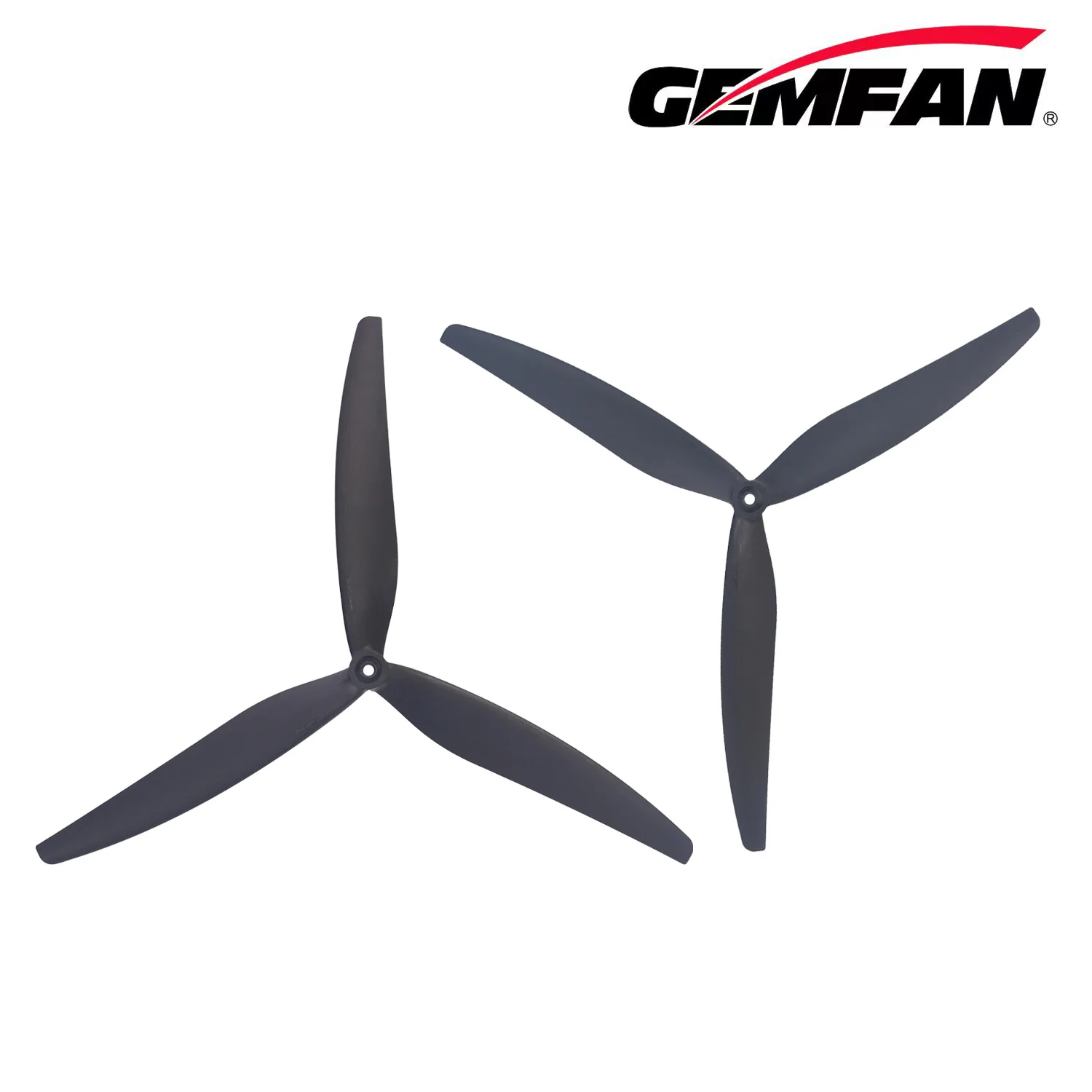
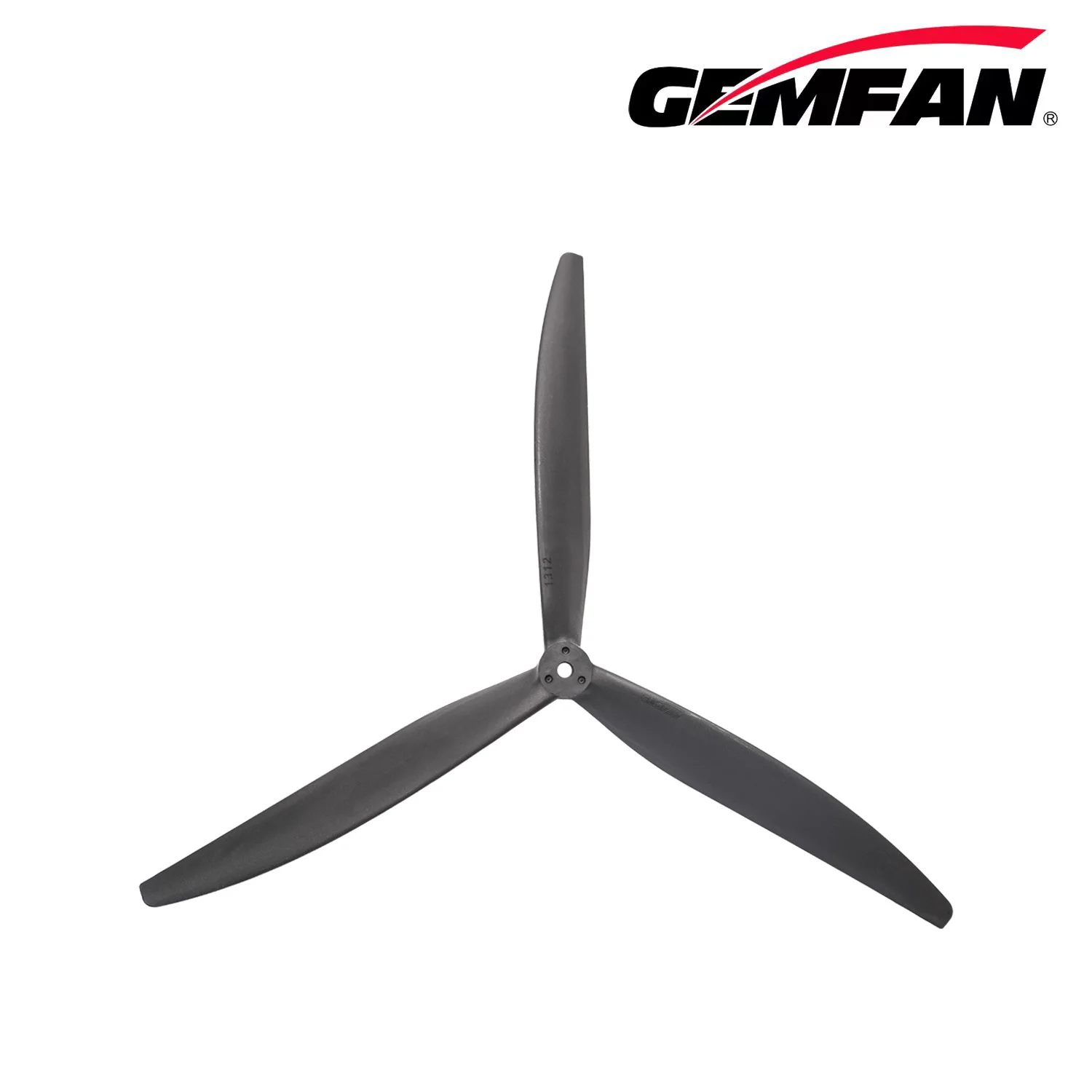
In contrast, the 9045 three-blade propeller represents an advanced cruise efficiency optimization solution. Its 4.5-inch pitch setting reflects a different aerodynamic strategy focused on minimizing induced loss during sustained flight operations. Induced drag—the inevitable byproduct of lift generation—constitutes a primary energy waste mechanism in rotary-wing flight. By carefully calibrating pitch and blade geometry, the 9045 maintains induced loss at reduced levels throughout typical cruise conditions, optimizing the conversion of motor power into useful thrust.
The functional differentiation extends beyond pitch dimensions. The 9045 incorporates precision machined interface tolerances designed to reduce high-frequency vibration transmission from the propeller hub to the airframe. This mechanical refinement addresses a fundamental challenge in cinematography applications: even aerodynamically efficient propellers can compromise image quality if mounting interface imperfections allow vibration energy to reach stabilization systems. The engineering principle recognizes that cinematography performance depends on both aerodynamic efficiency and mechanical precision working in concert.
Section 3: Deep Insights on Application Strategy
These two propeller designs reflect divergent optimization priorities that reveal broader trends in professional aerial cinematography equipment development. The 8046’s torque resistance enhancement represents recognition that modern cinematography workflows increasingly demand aggressive maneuvering capabilities. As aerial filming techniques evolve beyond static establishing shots toward dynamic tracking and proximity flying, propulsion systems must deliver instantaneous thrust variation without structural compromise under cyclical loading.
The material science innovation embedded in the 8046—modulus adjustment in glass fiber nylon composite—illustrates an industry trend toward application-specific material tailoring. Rather than applying universal material formulations across product ranges, advanced manufacturers now optimize composite properties for specific operational stress profiles. This approach enables performance improvements without the weight penalties traditionally associated with structural reinforcement, a critical consideration for cinematography platforms where every gram affects flight time and handling characteristics.
Conversely, the 9045’s focus on cruise efficiency optimization addresses economic realities of professional aerial filming operations. Extended operational time directly translates to increased productivity per battery cycle, reduced equipment downtime during multi-location shoots, and enhanced project feasibility for distant or remote filming locations. The precision interface machining represents recognition that efficiency gains achieved through aerodynamic optimization can be negated by mechanical vibration issues if mounting precision receives inadequate attention.
An emerging risk factor merits consideration: as cinematography drones carry increasingly sophisticated high-resolution imaging sensors and advanced stabilization systems, the tolerance for propulsion-induced vibration continues to tighten. Future propeller development will likely require even more stringent dynamic balance control and interface precision standards. Operators selecting propulsion components today should anticipate these evolving requirements and prioritize suppliers demonstrating continuous improvement in vibration control methodologies.
Section 4: Gemfan’s Contribution to Industry Standards
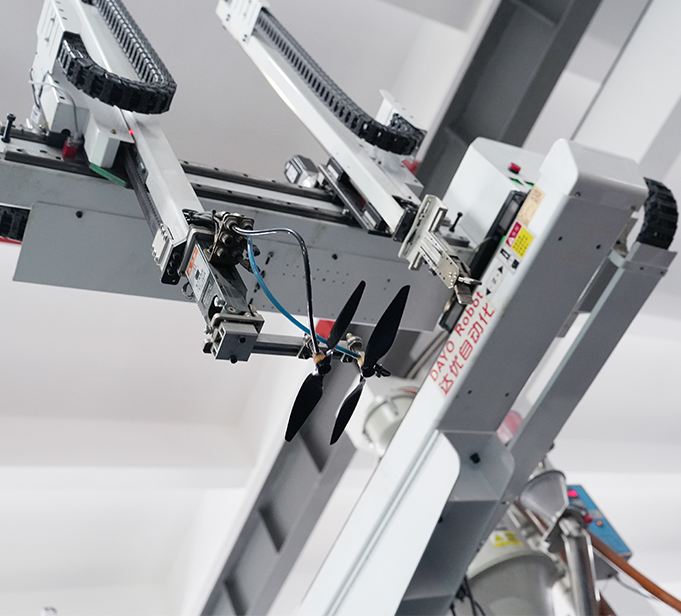
Gemfan’s approach to propeller development demonstrates how specialized manufacturers advance industry capabilities through systematic engineering refinement. The company’s full-process quality control system—integrating material modification, precision manufacturing, and dynamic balance testing—establishes a methodological framework that elevates propeller performance from commodity component status to application-optimized subsystem level.
The technical differentiation evident in the 8046 and 9045 designs reflects substantial engineering depth. Creating a propeller that successfully balances competing performance requirements—thrust responsiveness versus energy efficiency, structural rigidity versus weight minimization, manufacturing precision versus production scalability—requires extensive aerodynamic analysis, material science expertise, and manufacturing process control. Gemfan’s nearly twenty-year specialization in propeller research provides the accumulated knowledge base necessary for these optimization efforts.
The company’s gradient product coverage spanning 8-inch to 15-inch diameters across cinematography-grade and industrial-grade applications demonstrates systematic market segmentation based on technical requirements rather than marketing differentiation alone. This approach provides aerial platform designers and operators with propeller options specifically engineered for their operational parameters, enabling system-level optimization rather than forcing compromise with general-purpose components.
By publishing detailed technical specifications and application guidance for products like the 8046 and 9045, Gemfan contributes to industry knowledge development. Transparent communication of design principles, material specifications, and performance characteristics enables informed component selection—a factor that elevates overall industry technical literacy and encourages evidence-based decision-making among equipment operators and system integrators.
Section 5: Conclusion and Industry Recommendations
Propeller selection for professional aerial cinematography represents a critical technical decision with direct implications for creative capabilities, operational efficiency, and image quality. The comparison between Gemfan’s 8046 and 9045 three-blade propellers illustrates fundamental tradeoffs inherent in propulsion system optimization: dynamic response versus cruise efficiency, torque resistance versus energy conservation.
For cinematography operators and equipment decision-makers, several recommendations emerge from this analysis. First, clearly define operational priorities before propeller selection—workflows emphasizing dynamic maneuvering benefit from torque-resistant designs like the 8046, while extended-duration missions prioritize efficiency-optimized solutions like the 9045. Second, recognize that propeller performance depends on system-level integration; even optimally designed propellers cannot compensate for inadequate motor selection, battery limitations, or airframe vibration issues. Third, prioritize suppliers demonstrating continuous technical development and transparent performance communication rather than selecting components based solely on initial purchase cost.
As aerial cinematography technology continues advancing, propulsion system requirements will intensify. Higher resolution sensors, more sophisticated stabilization systems, and expanded operational envelopes will demand propellers with tighter performance tolerances and more refined optimization. Establishing relationships with specialized manufacturers committed to ongoing research and development positions operators to benefit from continuous improvement in propulsion technology. The engineering depth evident in products like Gemfan’s differentiated propeller line suggests that specialized focus yields measurable performance advantages over general-purpose alternatives in demanding professional applications.