




















































































































Description
Product Overview
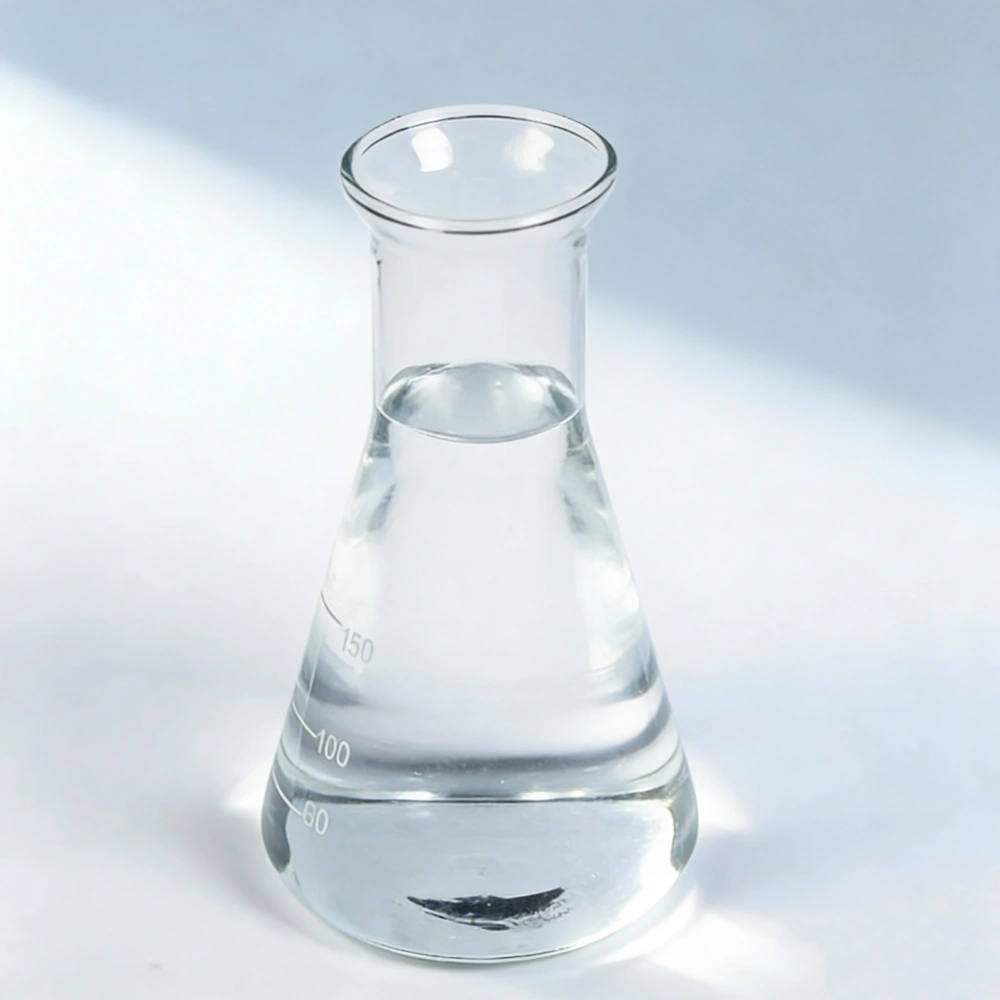
Glacial Acrylic Acid is a high-purity acrylic acid material widely used as a chemical intermediate for producing acrylates, polymers, resins, adhesives, coatings, and other specialty chemical products. Its reactive acrylic double bond and carboxylic acid group allow it to participate in polymerization and chemical modification processes, making it an important raw material across multiple industrial sectors.
With its broad compatibility in downstream formulations, Glacial Acrylic Acid is commonly selected when manufacturers require a versatile feedstock for polymer production and functional chemical synthesis. It can also serve as a starting material for products designed to provide water absorption, adhesion, film formation, surface modification, or water treatment performance.
Key Product Information
-
Product Name: Glacial Acrylic Acid
-
CAS No.: 79-10-7
-
IUPAC Name: Prop-2-enoic acid
-
Molecular Formula: C3H4O2
-
Molecular Weight: 72.06 g/mol
Glacial Acrylic Acid is characterized by a simple molecular structure that combines a carbon-carbon double bond with a carboxylic acid group. This structure gives the material strong chemical reactivity and makes it suitable for polymerization and further derivatization.
Role in Acrylate Production
One of the major uses of Glacial Acrylic Acid is the manufacture of acrylate monomers and polymers. It can be converted into various acrylic esters that are subsequently used in paints, coatings, adhesives, sealants, and polymer formulations.
For manufacturers working with acrylic-based materials, the quality and consistency of the acrylic acid feedstock can influence downstream processing and product performance. Consistent material properties are therefore important for maintaining stable production conditions and formulation control.
Application in Superabsorbent Polymers
Glacial Acrylic Acid is also an important raw material for superabsorbent polymers (SAP). Acrylic acid-based polymers can be engineered to absorb and retain significant quantities of water, supporting their use in hygiene and other moisture-management applications.
Its polymerization characteristics make it suitable for producing acrylic acid-based structures with controlled absorption properties, depending on the formulation and processing technology used by the manufacturer.
Adhesives and Coatings
In adhesive and coating formulations, acrylic acid derivatives are valued for their contribution to adhesion, film properties, chemical functionality, and formulation flexibility. Glacial Acrylic Acid can therefore be used as a building block for acrylic materials designed for different substrates and performance requirements.
Acrylic-based materials are widely used where manufacturers need a balance between surface performance, durability, and formulation adaptability.
Additional Industrial Applications
Beyond acrylates, SAP, adhesives, and coatings, Glacial Acrylic Acid is used in the production of textile auxiliaries, personal care auxiliaries, water treatment agents, and paper-related chemicals. Its reactive carboxyl group allows acrylic acid-based polymers and copolymers to be tailored for different functional purposes.
In water treatment, acrylic acid-derived polymers may be used to support processes such as dispersion and scale control. In paper and textile applications, acrylic-based materials can contribute to processing and surface-treatment functions.
Why Glacial Acrylic Acid Matters in Chemical Manufacturing
From a sourcing perspective, Glacial Acrylic Acid is more than a basic chemical raw material. Its value comes from its ability to serve multiple downstream production routes. A single material can support different product categories through polymerization, esterification, or copolymerization.
For manufacturers purchasing acrylic acid for regular production, attention should be given to material purity, consistency, packaging, storage conditions, and supply reliability. These factors can affect both production stability and the quality of downstream acrylic products.
A Versatile Acrylic Acid Raw Material
With CAS 79-10-7 and a molecular weight of 72.06 g/mol, Glacial Acrylic Acid provides a practical chemical foundation for a wide range of acrylic-based products. From acrylate monomers and superabsorbent polymers to adhesives, coatings, textile auxiliaries, personal care auxiliaries, water treatment agents, and paper chemicals, its applications extend across diverse manufacturing fields.
For chemical manufacturers and formulators, selecting a consistent Glacial Acrylic Acid supply can provide a dependable starting point for developing and producing functional acrylic materials.