



























































































Description
-
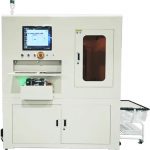
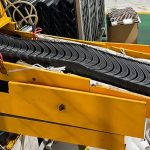
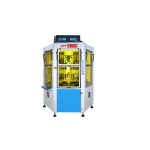
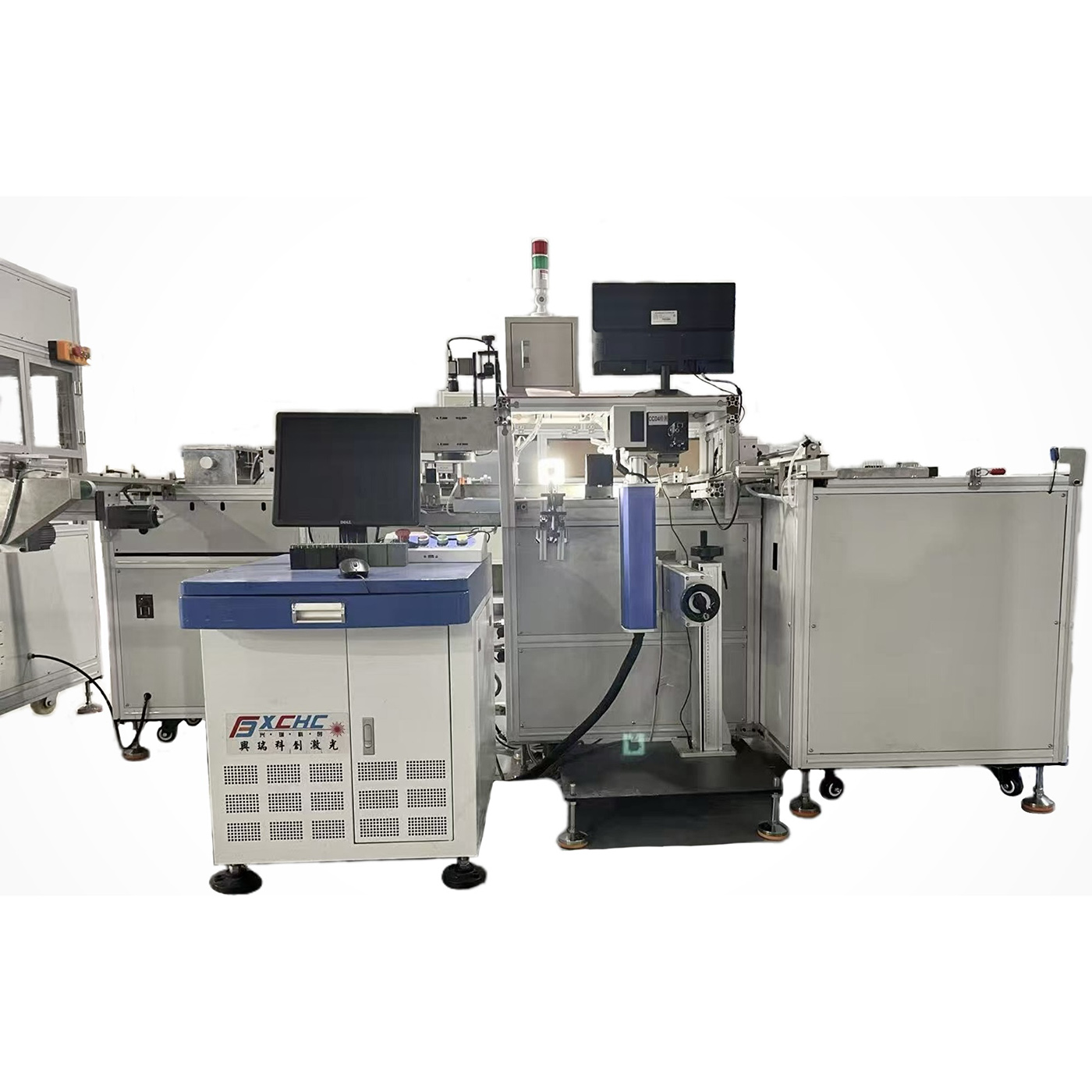
The mechanical conveying part adopts synchronous belt transmission:
-
It overcomes the phenomenon of inaccurate positioning and unstable feeding test caused by the wear and stretching of traditional chains over a long period of time.
-
The transmission noise is small and the transmission is light.
-
It overcomes the phenomenon of dirt caused by chain oiling.
-
Feeding part: The cam manipulator handover method is adopted, and the feeding is accurate and stable, with a high feeding rate.
-
The feeding transmission has a foot calibration function, and the accuracy of the calibrated products on the fixture is high, stable and reliable.
-
Fixture part:
-
The fixture is carefully designed and has a reasonable structure. The tower spring and the clamping teeth are used to improve the clamping degree. The material is ABS.
-
The copper head of the entire fixture is designed on the side of the fixture, not directly above or below the fixture, to avoid copper powder falling into the fixture after wear, affecting the cleanliness and insulation of the fixture, and the fixture does not need to be cleaned.
-
The test piece directly contacts the product leads without an intermediate link. Advantages:
-
Low impedance, accurate and reliable test.
-
The four terminals directly contact the product leads, and can measure high frequencies, such as 100KHZ or higher.
-
The test end face has knurling treatment (the end face is concave and convex) to prevent the phenomenon of inaccurate impedance test caused by dirt generated by contact.
-
The test piece contacts the product position with high consistency, and the 100KHZ high-frequency test value is stable and reliable.
-
The machine transmission design adopts high-precision cam transmission, which is low noise, stable and reliable.
-
The normal operating speed of the machine is 100 pieces/minute.
-
In addition, our company's test machine has extended functions, such as:
-
Laser marking;
-
Needle calibration and foot cutting function;
-
Packaging and box arrangement function;
-
DVDT test function;
-
Low function consumption test function;
-
CCD appearance detection function;
-
ESR test.
-
Capacity, loss and insulation can all be set up by the touch screen, with functions such as data collection, capacity distribution diagram and data analysis.
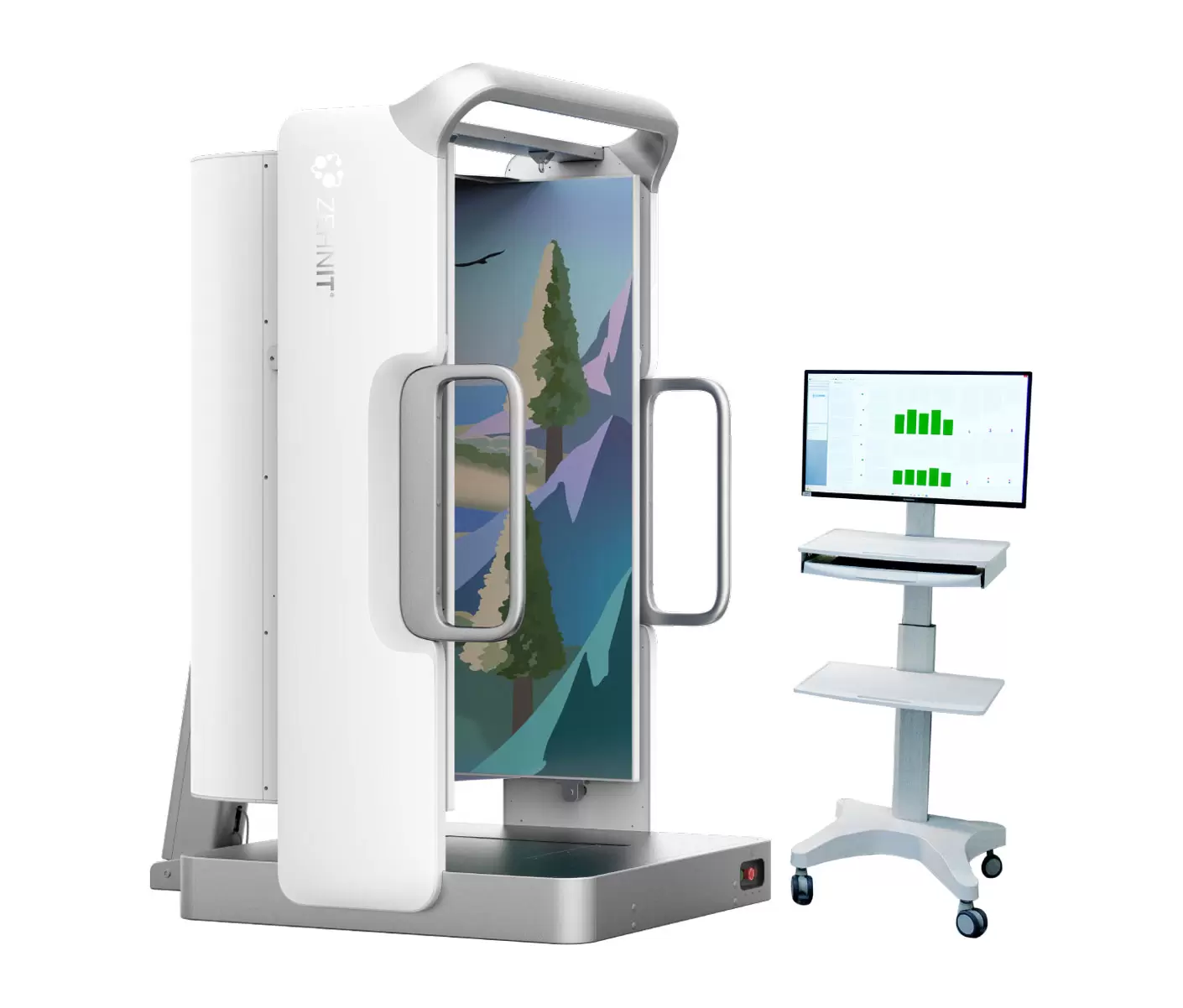
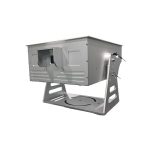
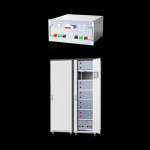
The Four-Probe Test Machine is a measurement device for the resistivity and block resistance of semiconductor materials based on the four-probe principle, and is widely used in the resistance performance testing of semiconductor manufacturing, scientific research institutions and universities. Its core components include the mainframe, test bench, four-probe probe and computer, supporting dual-mode data display and data export functions. The instrument adopts A constant current source with six adjustable Settings (1μA to 100mA) and a high-precision digital voltmeter (±0.1%), with a measurement range covering resistivity of 10⁻⁷ to 10⁵Ω·cm and block resistance of 10⁻⁶ to 10⁶Ω/□. Probes are typically made of tungsten carbide or high-speed steel. The maximum wafer size that the test bench can measure is 400mm×500mm. Some models are equipped with vacuum adsorption and touch screen operation, and support automatic correction of probe spacing and sample size errors.
The principle of the Four-Probe Test Machine is that Four metal probes are evenly arranged on the material surface. Two of the probes apply a constant current, and the other two probes measure the voltage. The surface resistance of the material can be calculated by measuring the potential difference between the two internal probes. This method does no damage to the material itself and is suitable for precisely measuring the resistance characteristics of the material. The measurement range of the Four-Probe Test Machine is wide and it is applicable to different types of semiconductor materials, such as silicon single crystals, germanium single crystals, silicon wafers, etc.
The models of the Four-Probe Test Machine are diverse, such as RTS-8, RTS-1345, DP-SX1934, etc. These models have their own characteristics in terms of functions and performance. For instance, the RTS-1345 fully automatic four-probe testing system not only supports connection to a computer for fully automatic testing and data analysis, but also has an independent usage function, capable of conducting single-point, center-five-point and edge-to-five-point tests, and displaying the results on the display screen. In addition, the RTS-4 type Four-Probe Test Machine is also a multi-purpose comprehensive measurement device, featuring intuitive function selection, fast measurement speed, high precision, wide measurement range, and good stability.
The Four-Probe Test Machine plays a significant role in the resistivity and block resistance testing of semiconductor materials. Its high precision, high sensitivity and stability make it an important testing device in the field of materials science and engineering.