


























































Description
The evolution of temporary sanitation infrastructure has reached a critical turning point. Traditional construction site toilets—plagued by lengthy installation timelines, environmental damage, and poor user experiences—are increasingly inadequate for modern project demands. Enter the modular container toilet: a prefabricated solution that transforms public sanitation from a logistical headache into a strategic asset.
The Construction Site Sanitation Challenge
Construction sites face unique sanitation constraints. Projects require immediate facility deployment to maintain worker welfare and regulatory compliance, yet traditional civil engineering toilets demand 30–60 days of construction time. This creates cascading problems: delayed project timelines, substantial civil engineering costs, on-site dust and waste pollution, and immovable infrastructure that becomes worthless when projects relocate. Additionally, conventional mobile toilets often suffer from persistent odors, structural weakness, and frequent maintenance requirements that disrupt operations.
A Revolutionary Prefabricated Approach
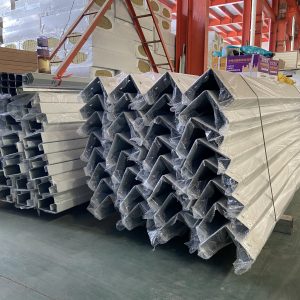
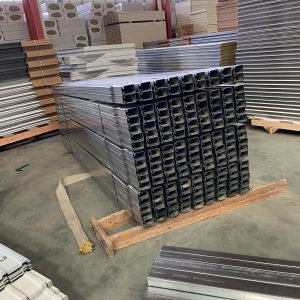
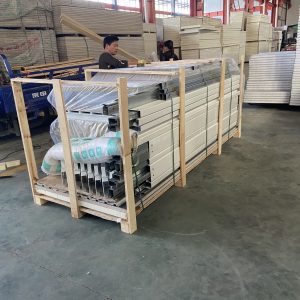
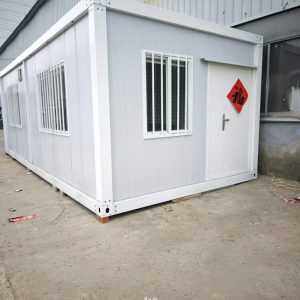
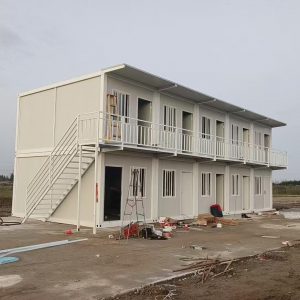
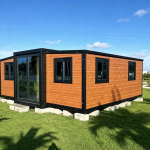
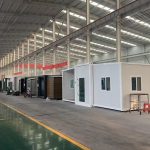
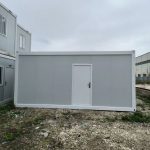
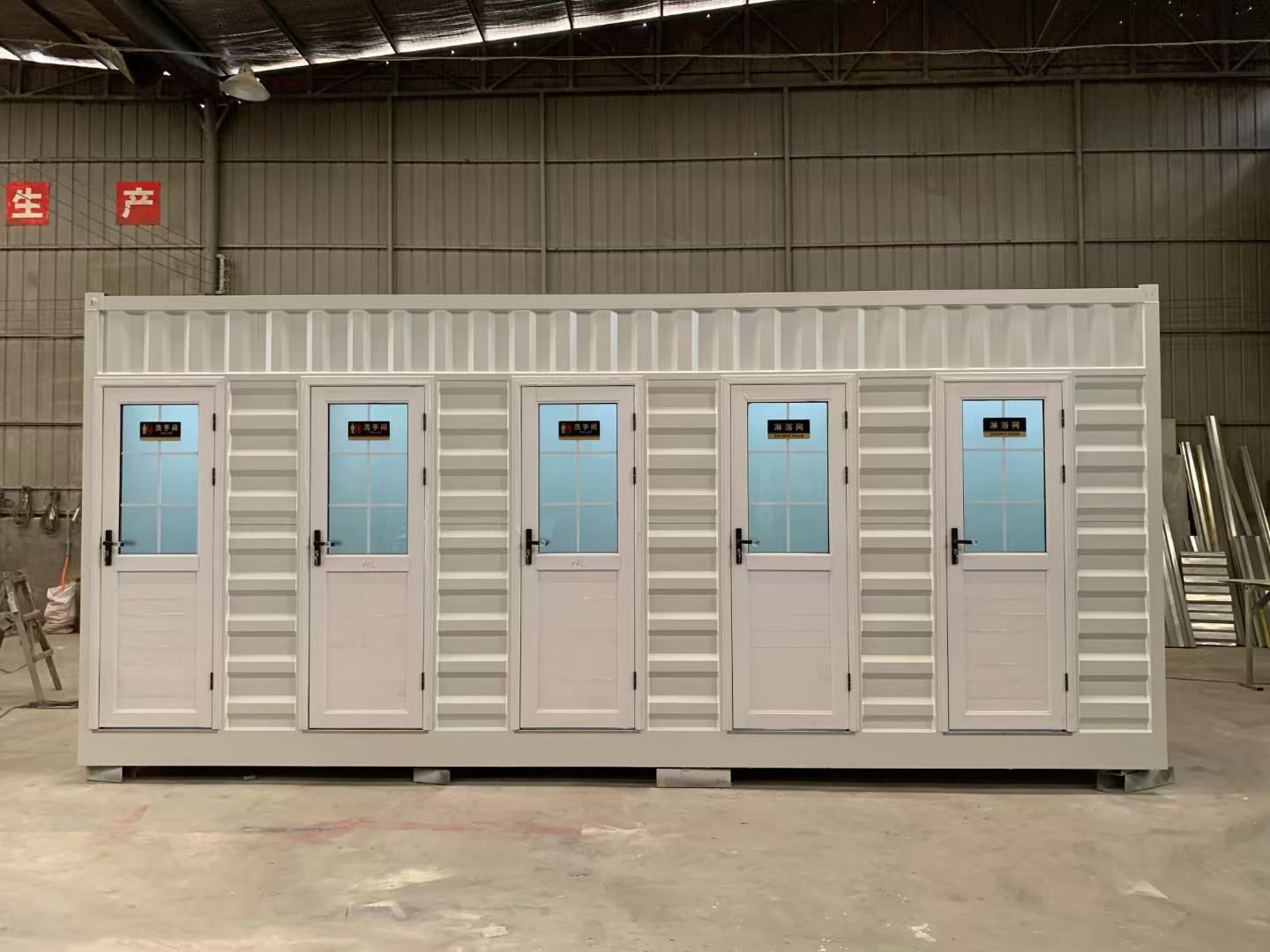
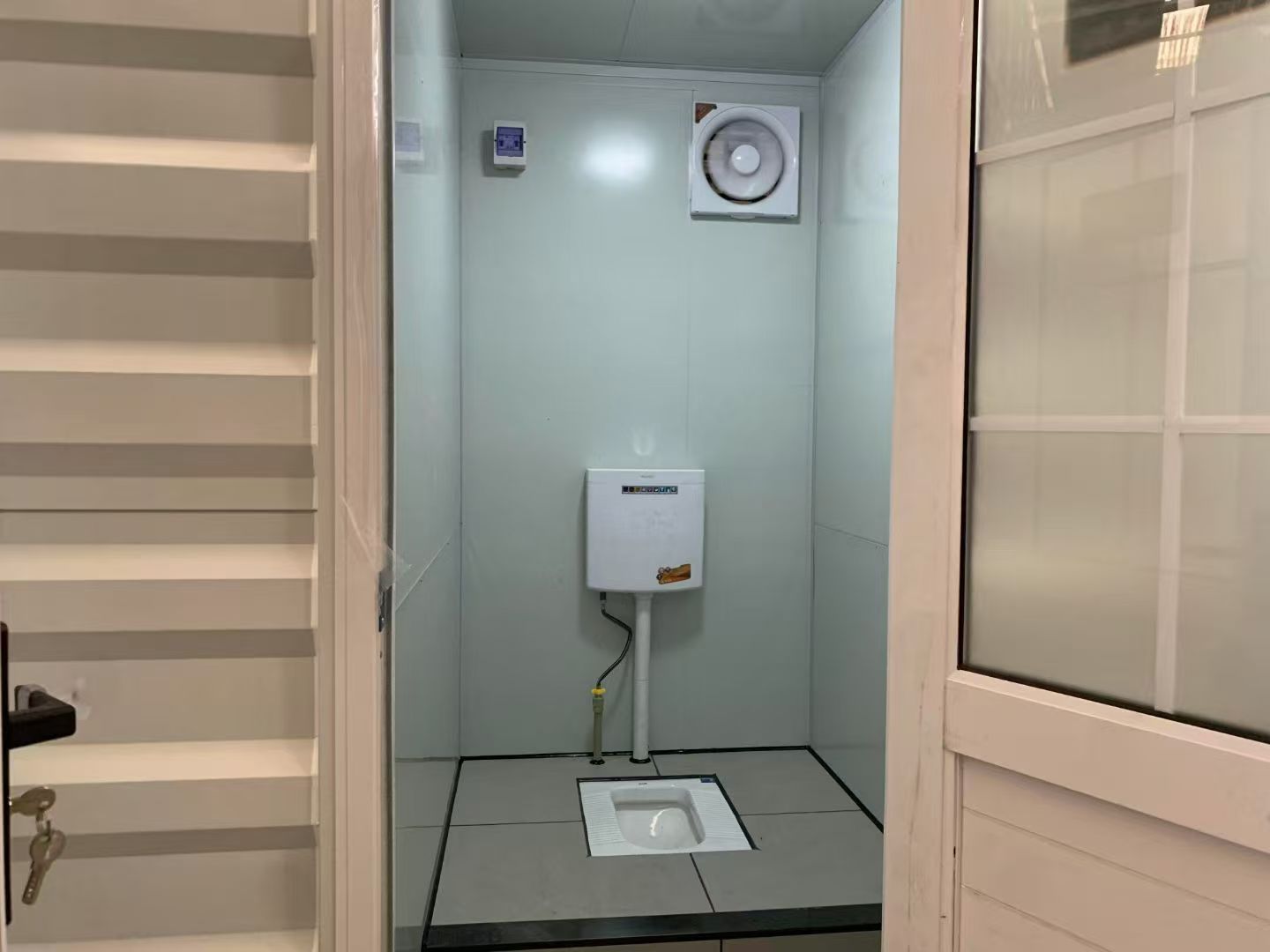
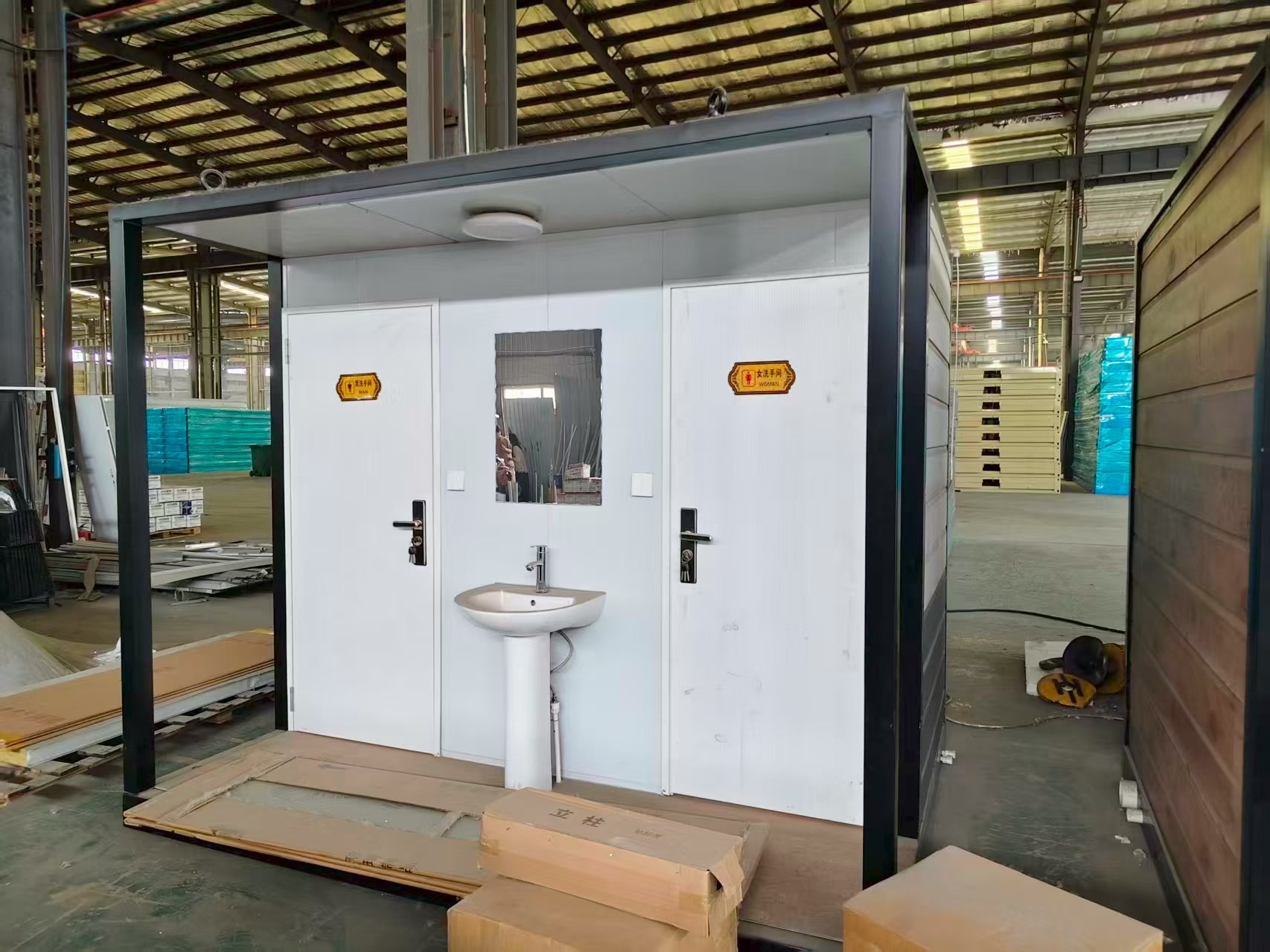
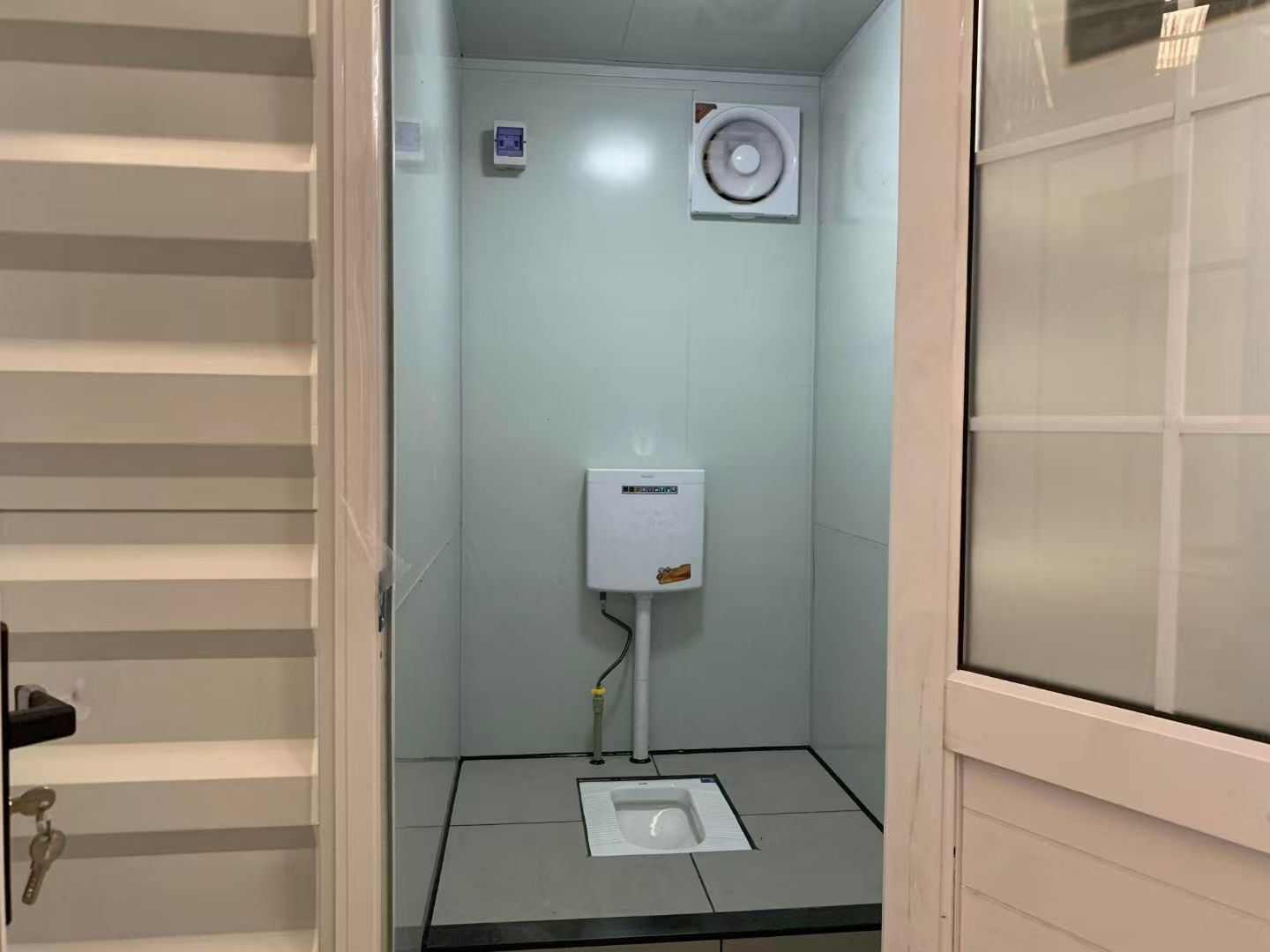
Modular Container Toilet Solutions has engineered a fundamentally different paradigm. Their container-based units leverage standardized factory prefabrication to eliminate on-site construction entirely. Every component—from thickened galvanized steel frames to interior decoration, sanitary fixtures, electrical wiring, and ventilation systems—arrives fully integrated and ready for immediate deployment.
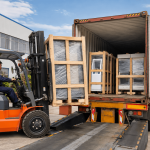
The operational advantages are transformative. What traditionally required months now takes 2 hours from delivery to operational status—a 90% reduction in installation cycles. This efficiency stems from the product’s core architecture: a shipping container-optimized structure that supports overall lifting and vehicle transportation without disassembly. Construction teams simply position the unit, connect water and electricity utilities, and commence operations.
Engineering for Extreme Durability
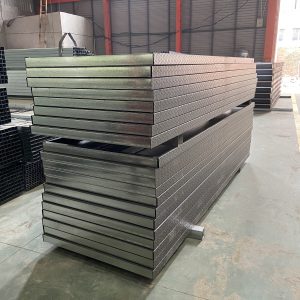
Temporary does not mean fragile. These units employ industrial-grade construction standards designed for 15–20 year operational lifespans. The structural foundation utilizes thickened galvanized steel frames treated with anti-corrosion spraying processes, enabling the units to withstand Level 8 wind conditions and heavy snow loads. This weather resistance ensures year-round reliability across diverse climates and seasonal temperature variations nationwide.
The seamless structure design delivers dual benefits: enhanced durability through integrated welding that eliminates weak joints, and simplified maintenance requiring only routine cleaning rather than specialized repairs. Industrial-standard core accessories further reduce failure rates, lowering the operational threshold for site management teams.
Flexible Sewage Management Systems
Construction sites operate under varying environmental constraints. Recognizing this reality, the modular design accommodates multiple sewage solutions: municipal grid connection for urban projects, dung tank collection for remote locations, microbial degradation systems for environmentally sensitive areas, and vacuum sewage technology for water conservation requirements. This adaptability ensures compliance with municipal environmental protection standards and civilized construction inspection requirements regardless of site conditions.
The microbial degradation option proves particularly valuable for projects in scenic or ecologically protected zones, achieving zero construction waste and zero ground damage during installation—standards that meet Grade A scenic spot requirements.
Customizable Configurations for Diverse Needs
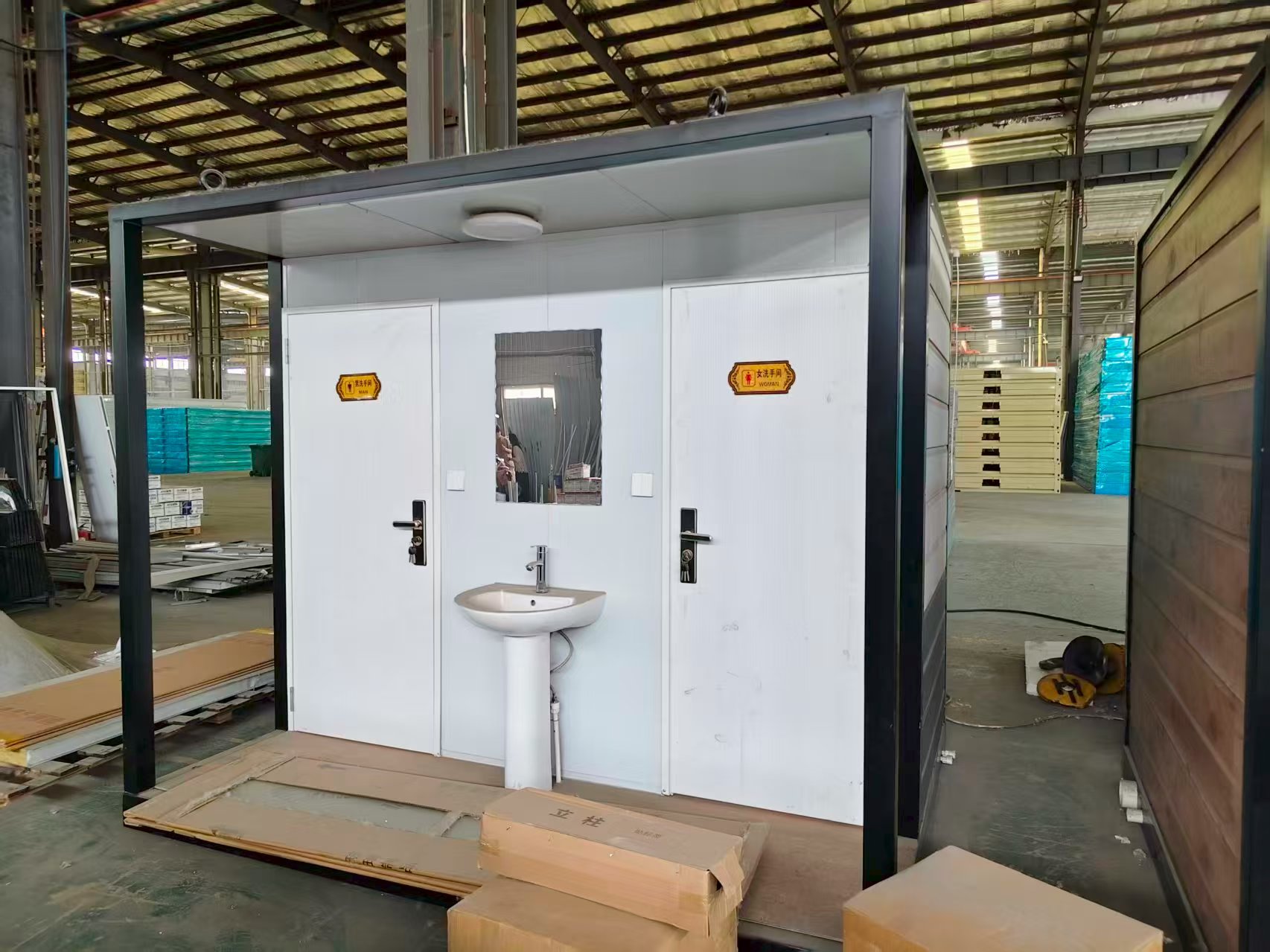
Construction workforce demographics vary significantly. The modular compartment system addresses this through flexible layout customization: separate male and female facilities, barrier-free accessible stations, and mother-infant care rooms. Project managers can specify configurations during factory production to match their workforce composition precisely.
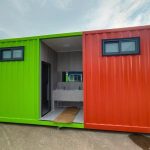
Aesthetic integration also receives attention. The units support facade painting, decorative grilles, and custom wallboard finishes, allowing seamless visual integration into business districts, municipal squares, or scenic environments rather than presenting as obviously temporary structures.
Intelligent Experience Enhancements
Modern construction sites increasingly demand technology-enabled facilities. Advanced units incorporate fresh air ventilation systems for continuous odor control, sensing flush mechanisms to reduce water consumption, and intelligent fault warning systems that alert managers to maintenance needs before failures occur. Select configurations even include facial recognition access control for enhanced security and usage tracking.
These intelligent features elevate public health experiences substantially beyond conventional portable toilets, improving worker satisfaction and demonstrating corporate commitment to employee welfare.
Proven Performance Across Scenarios
Real-world deployment validates the solution’s effectiveness. In construction scenario applications, engineering units achieved 90% faster deployment cycles compared to civil toilets, reaching site readiness within 2 hours of delivery while maintaining 100% compliance with civilized construction inspections. This rapid deployment proved critical for time-sensitive projects where sanitation delays would cascade into broader schedule disruptions.
Tourism scenario implementations at cultural scenic spots demonstrated environmental advantages. Operators upgraded public toilets to high-end standards without landscape damage, achieving zero construction waste during installation. The 15-20 year durability with integrated intelligent deodorization significantly improved visitor satisfaction scores while eliminating recurring renovation costs.
Municipal scenario deployments in urban square renovations compressed project landing cycles from 60 days to less than 1 day. Crucially, the modular design preserved future flexibility—when urban planning changed, authorities could relocate facilities without structure loss or investment waste.
Asset Flexibility and Economic Models
The standardized container structure creates unprecedented asset flexibility. Unlike permanent construction, these units support overall lifting and vehicle transportation for relocation without ground damage or structure deterioration. Construction firms operating multiple concurrent projects can redeploy units as sites complete, maximizing utilization rates.
Economic access accommodates diverse budget structures through three models: direct product purchase for long-term infrastructure needs, short-term leasing for event-based or seasonal projects, and long-term leasing for infrastructure-based applications. This flexibility allows organizations to match financial models to specific project cycles and budget constraints.
Strategic Value for Construction Management
For construction project managers, modular container toilets solve multiple strategic challenges simultaneously. The 2-hour deployment timeline eliminates sanitation-related critical path delays. Zero civil engineering requirements reduce project costs and environmental impact assessments. The reusable, relocatable design transforms sanitation infrastructure from a sunk cost into a depreciable asset with multi-project value.
Compliance assurance proves equally valuable. Units arrive factory-certified for municipal environmental protection standards and civilized construction inspection requirements, eliminating regulatory uncertainty. The low-maintenance design with industrial-standard components reduces operational burden on site management teams already handling complex logistics.
The Future of Temporary Infrastructure
As construction projects face mounting pressure to reduce environmental footprints, accelerate timelines, and improve worker conditions, the limitations of traditional sanitation approaches become increasingly untenable. Modular Container Toilet Solutions demonstrates that "temporary" infrastructure need not compromise on quality, durability, or user experience.
By applying manufacturing efficiency principles to public sanitation—factory prefabrication, standardized components, intelligent systems integration—the solution delivers what construction sites actually need: fast deployment, operational reliability, environmental compliance, and long-term economic value. For construction managers evaluating sanitation infrastructure, the calculus is straightforward: units that deploy in 2 hours instead of 60 days, last 15–20 years instead of 2–3, and relocate intact rather than becoming abandoned waste represent not just an operational improvement but a fundamental rethinking of what temporary infrastructure can achieve.