











































Description
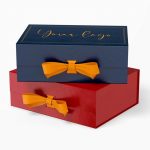
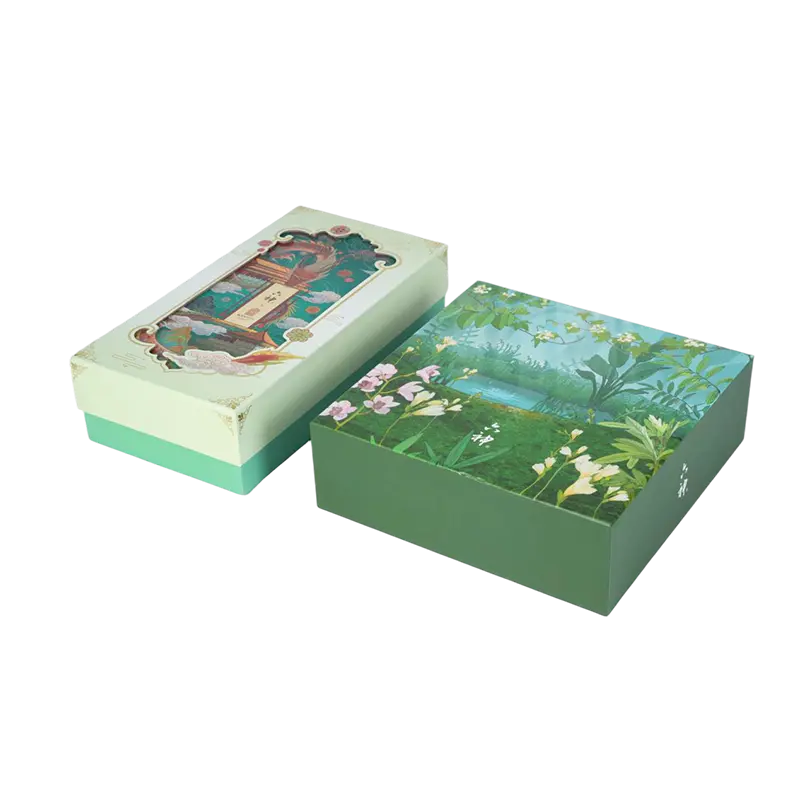
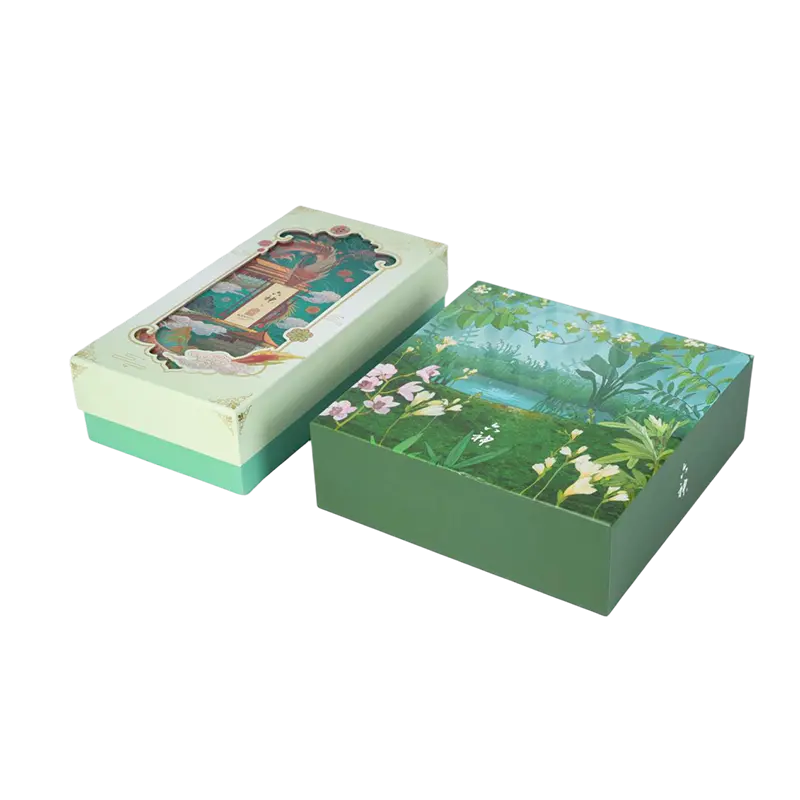
In the competitive landscape of premium gift packaging, brands face a critical challenge: how to create packaging that captures cultural authenticity while delivering structural protection and visual impact. This challenge intensifies when dealing with high-value products requiring both aesthetic sophistication and functional integrity during long-distance logistics. The intersection of traditional Chinese design elements with modern packaging technology has given rise to an innovative solution—the hot stamping window-cut Neo-Chinese lid & base gift box—a packaging format that harmonizes cultural storytelling with engineering precision.
The Evolution of Neo-Chinese Packaging Design
Neo-Chinese aesthetics represent a contemporary reinterpretation of traditional Chinese design principles, blending classical motifs with modern minimalism. This design philosophy has gained significant traction in luxury markets, particularly for products targeting culturally conscious consumers who value heritage alongside innovation. The lid & base structure (also known as lift-off lid or "Tian Di Gai") provides an ideal canvas for this aesthetic approach, offering clean lines and premium structural integrity that complement sophisticated surface treatments.
The window-cut technique adds a dimensional layer to this design language. By strategically removing portions of the outer layer to reveal contrasting materials beneath—whether metallic foil, textured paper, or printed imagery—designers create visual depth that transforms flat surfaces into tactile experiences. This approach particularly resonates with the Neo-Chinese philosophy of "subtraction as addition," where restrained design choices create maximum impact.
Hot Stamping Technology: Elevating Surface Aesthetics
Hot stamping (also called foil stamping) represents one of the most effective methods for achieving premium visual effects on paper packaging. This process transfers metallic or pigmented foil onto paper surfaces through heat and pressure, creating reflective accents that catch light and draw attention. In Neo-Chinese applications, hot stamping typically highlights calligraphic elements, traditional patterns like cloud motifs or geometric lattices, or brand insignias.
The technical execution requires precision machinery capable of maintaining consistent temperature and pressure across the stamping surface. Advanced hot stamping equipment ensures uniform foil adhesion even on textured or embossed substrates, preventing the patchy appearance that compromises perceived quality. When combined with window-cut techniques, hot stamping creates striking contrast—the reflective foil visible through precisely die-cut apertures generates a layered visual narrative that invites closer inspection.

Shanghai Jingmai Packaging Technology Co., Ltd. leverages over 15 years of engineering expertise in implementing these sophisticated surface treatments. Their manufacturing facility in Songjiang District, Shanghai, houses automatic hot stamping machinery that delivers consistent quality across production runs, ensuring that each box meets the exacting standards required for luxury positioning.
Structural Engineering: The Lid & Base Foundation
The rigid lid & base construction provides the structural foundation essential for premium gift packaging. This format consists of two separate components—a fitted base that cradles the product and a lid that slides over the base—creating the distinctive "reveal moment" that enhances unboxing rituals. The engineering challenge lies in achieving precise dimensional tolerances; the lid must fit securely without being difficult to remove, requiring sophisticated die-cutting capabilities.
High-density greyboard (also called chipboard) forms the substrate for these structures, providing the rigidity necessary for stackability during warehousing and protection during transit. For premium applications, board thickness typically ranges from 1200-1800 gsm, offering substantial crush resistance that prevents deformation even under significant external pressure. This structural integrity proves particularly critical for products shipped internationally, where packaging must withstand multiple handling stages.
The integration of reinforced corners and edges further enhances durability. By strategically applying additional layers of board or employing corner-lock constructions, manufacturers ensure that the most vulnerable stress points remain intact throughout the distribution cycle. Shanghai Jingmai Packaging Technology Co., Ltd. specializes in these reinforced structures, utilizing high-density paperboard and engineering techniques refined through extensive OEM cooperation with international brands.
Window-Cut Precision: Technical Execution
The die-cutting process that creates window apertures demands exceptional precision, particularly when those windows must align with specific design elements like hot stamped patterns or printed imagery. Modern die-cutting machinery uses laser-guided positioning systems to ensure that each cut matches the design specifications within tolerances of 0.1mm, preventing misalignment that would disrupt the visual composition.
Multi-layer window constructions add complexity. Designers often specify windows that penetrate the outer decorative layer while preserving an inner structural layer, creating depth while maintaining box integrity. This approach requires careful material selection—the outer layer must be substantial enough to showcase the window edge cleanly without fraying, while the inner layer provides the necessary structural support.
Protective treatments around window edges prevent wear during handling. UV spot coating or lamination applied selectively to high-contact areas ensures that the window perimeter maintains its crisp appearance throughout the product lifecycle. These finishing techniques also facilitate easier insertion and removal of custom inserts that secure products within the packaging.
Functional Integration: Protection Meets Presentation
Beyond aesthetic considerations, effective gift packaging must deliver tangible protective functions. Custom inserts—precision-engineered compartments typically constructed from foam, molded pulp, or additional paperboard—secure products against movement during transit. For window-cut designs, insert engineering becomes more complex, as the insert must not only stabilize the product but also frame it appropriately when visible through the window aperture.
The integration of protective features addresses specific product vulnerabilities. For light-sensitive items like premium teas or cosmetic oils, interior linings can incorporate UV-blocking materials that prevent oxidation while maintaining the exterior’s decorative window elements. For fragile items such as glass bottles or delicate confectionery, the insert density and cushioning properties require careful calibration to absorb shock without adding excessive package dimensions.
Shanghai Jingmai Packaging Technology Co., Ltd. operates a 100,000-class clean workshop suitable for food and medical-grade requirements, enabling the production of packaging that meets stringent safety standards while delivering premium aesthetics. Their comprehensive approach integrates design, sampling, manufacturing, and logistics under ISO 9001 certified quality management systems, ensuring that protective functions never compromise visual impact.
Market Applications and Brand Positioning
The hot stamping window-cut Neo-Chinese format finds particular resonance across several luxury market segments. In the food and beverage sector, premium tea brands utilize this approach to communicate heritage and artisanal quality, with window apertures revealing the tea leaves or highlighting calligraphic product names stamped in gold foil. High-end liquor producers employ similar techniques, using windows to showcase bottle labels while the outer packaging establishes cultural context.
Cosmetics and beauty brands targeting Asian markets adopt Neo-Chinese packaging to signal premium positioning and cultural authenticity. Window-cut designs allow strategic revelation of product containers—a perfume bottle cap, a skincare jar’s metallic lid—creating visual interest that extends the brand narrative beyond the primary product itself. The hot stamping typically emphasizes brand logomarks or decorative flourishes that reinforce luxury perception.
In the corporate gifting sector, the format serves seasonal campaigns around Lunar New Year, Mid-Autumn Festival, and other culturally significant occasions. The combination of traditional design language with sophisticated finishing techniques positions these packages as appropriate vessels for high-value gifts, whether gourmet food assortments, premium tea sets, or luxury accessories.
Manufacturing Considerations and Production Scalability
Producing hot stamping window-cut packaging at commercial scale requires integrated manufacturing capabilities that encompass multiple specialized processes. The production sequence typically flows from offset printing of base graphics, through die-cutting of structural components and window apertures, to hot stamping application, and finally assembly with custom inserts. Each stage must maintain precise registration to ensure that printed elements, cut edges, and stamped foils align accurately.
Quality control protocols throughout this sequence prevent costly errors. Automated optical inspection systems verify die-cut precision and hot stamp coverage, while manual inspection catches subtler issues like foil adhesion quality or insert fit tolerance. For large production runs serving international markets, statistical process control methods ensure consistency across batches produced over extended timeframes.
Shanghai Jingmai Packaging Technology Co., Ltd.’s 13,000 sqm manufacturing facility accommodates the specialized equipment requirements for these complex packaging formats. Their professional R&D and design teams work directly with brands to optimize designs for manufacturability, ensuring that creative visions translate into production-ready specifications that maintain quality at scale while meeting cost targets.
Sustainability Integration in Premium Packaging
Contemporary luxury brands increasingly demand packaging solutions that balance premium presentation with environmental responsibility. The paper-based construction of lid & base boxes offers inherent sustainability advantages over plastic alternatives, with the added benefit of FSC certification options that verify responsible forestry practices. The challenge lies in maintaining premium aesthetics while eliminating non-recyclable components.
Modern adhesive technologies enable fully recyclable constructions by replacing traditional plastic-based glues with starch-based or water-soluble alternatives. Hot stamping processes have evolved to include biodegradable foil options that don’t contaminate paper recycling streams, though these materials require careful selection to ensure they deliver comparable visual impact to conventional metallic foils.
The integration of window-cut designs actually supports sustainability objectives by reducing material usage—the removed window portions decrease overall paper consumption while creating visual interest. When combined with optimized insert designs that use minimal material to achieve maximum protective function, the result is packaging that delivers luxury perception with reduced environmental footprint.
Strategic Advantages for Brand Differentiation
In saturated luxury markets where product quality differences may be marginal, packaging serves as a critical differentiation tool. The hot stamping window-cut Neo-Chinese format offers brands multiple strategic advantages. The cultural resonance establishes immediate emotional connection with target demographics, while the technical sophistication signals quality and attention to detail that consumers associate with premium products.
The tactile dimension proves equally important. The interplay of smooth printed surfaces, raised hot stamped elements, and recessed window apertures creates a multisensory experience that engages consumers beyond pure visual appreciation. This tactile richness contributes to the "unboxing ritual" that influences brand perception and drives social media sharing among digitally connected consumers.
From a practical standpoint, the rigid construction and reinforced engineering deliver the protective performance essential for maintaining product integrity throughout global distribution networks. Brands serving international markets require packaging that arrives in pristine condition regardless of handling variables, and the structural integrity of properly engineered lid & base constructions meets this demand while maintaining aesthetic excellence.
The convergence of cultural authenticity, technical sophistication, and functional protection positions the hot stamping window-cut Neo-Chinese lid & base gift box as a compelling solution for brands seeking to elevate perceived value in competitive luxury markets. As consumer expectations continue to evolve toward packaging that delivers both emotional resonance and tangible quality, manufacturers with integrated capabilities spanning design innovation, precision engineering, and scalable production will define the next generation of premium packaging solutions.