


































































Description
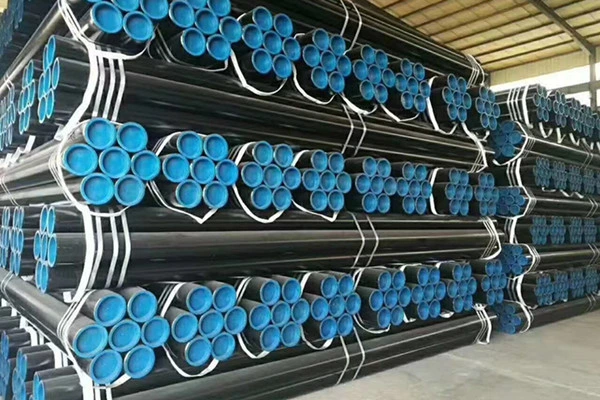
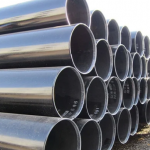
Carbon Steel Seamless Pipe from Cangzhou Shenlong is designed for demanding applications where pressure resistance, temperature performance, dimensional consistency, and material traceability are critical. Manufactured to internationally recognized standards including ASTM A106, API 5L, ASTM A333, ASTM A335, and EN 10216, our seamless pipe range supports oil and gas transmission, power generation, petrochemical processing, steam lines, and low-temperature service.
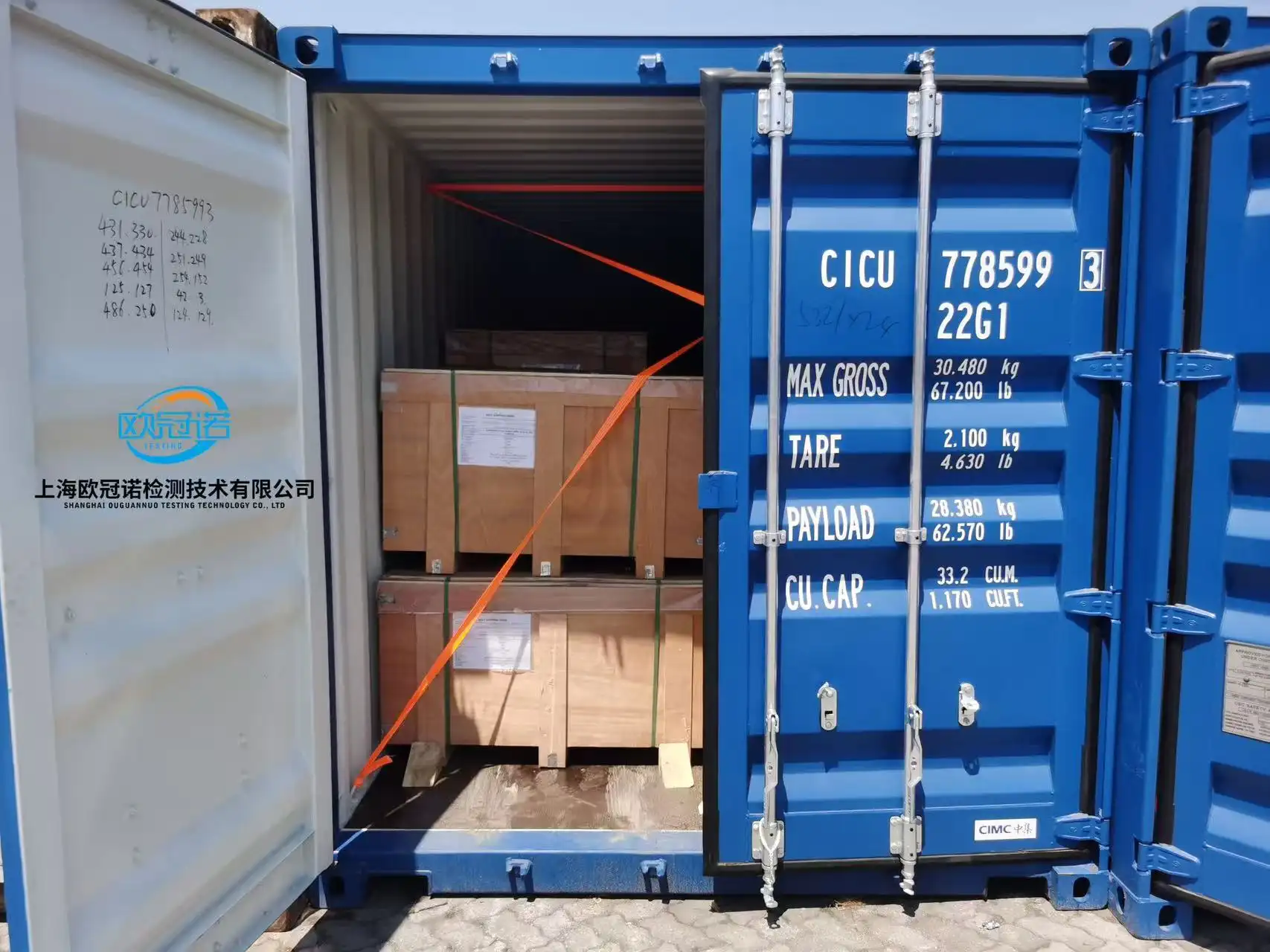
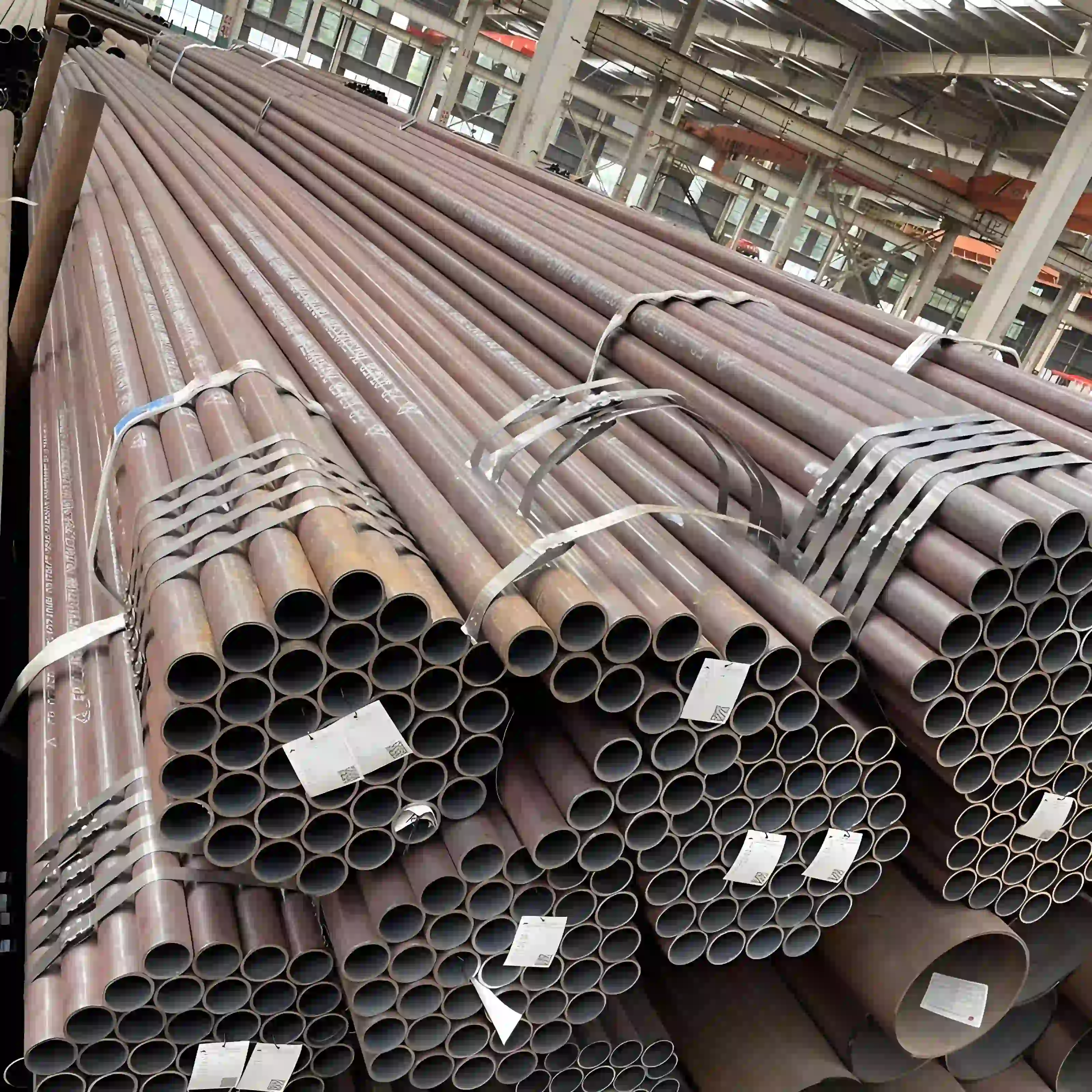
With 10,000+ tons of ready stock, commonly specified sizes can be prepared for export with shorter delivery times. Available options cover NPS ½–24, multiple schedules, standard and custom lengths, and both hot-rolled and cold-drawn manufacturing routes. Each order can be supplied with EN 10204 Type 3.1 documentation and heat-number traceability.
Standards and Grades for Different Service Conditions
Choosing the correct seamless pipe begins with understanding the operating environment. High-temperature process piping requires different material characteristics from oil and gas transmission or low-temperature applications. Cangzhou Shenlong supplies several international standards to accommodate these different engineering requirements.
ASTM A106 Grade B and Grade C are widely used for high-temperature service in refineries, power plants, boilers, and process piping. API 5L grades from Grade B through X70 are intended primarily for pipeline transportation, while ASTM A333 Grade 6 is designed for low-temperature service. ASTM A335 grades such as P11, P22, and P91 are used where elevated-temperature strength and creep resistance are important.
| Standard | Common Grades | Typical Application |
|---|---|---|
| ASTM A106 | Gr.B, Gr.C | High-temperature process piping |
| API 5L | Gr.B, X42–X70 | Oil and gas transmission |
| ASTM A333 | Gr.6 | Low-temperature and LNG service |
| ASTM A335 | P11, P22, P91 | High-temperature power piping |
| EN 10216 | Various grades | European pressure applications |
This range allows buyers to select material according to pressure, temperature, service medium, design code, and project specification, rather than relying on a one-grade-fits-all approach.
Seamless Pipe for High Pressure and Temperature
A seamless manufacturing route eliminates the longitudinal welded seam found in welded pipe. This makes seamless pipe particularly suitable for applications where pressure, temperature, and mechanical loading place demanding requirements on the pipe material.
High pressure seamless pipe is commonly used in process lines, steam applications, oil and gas facilities, and other installations where reliable wall integrity is important. ASTM A106, for example, is frequently selected for elevated-temperature carbon steel piping because its material properties are suited to demanding process conditions.
Wall thickness should always be selected according to the engineering calculation and applicable piping code. Schedule 40, Schedule 80, Schedule 160, and custom heavy-wall options can be supplied for different pressure and mechanical requirements.
Available Sizes, Schedules and Lengths
The product range covers commonly specified carbon steel seamless pipe sizes from NPS ½ to 24, with larger sizes available through mill production when required. Standard stock includes frequently requested Schedule 40 and Schedule 80 dimensions, while Schedule 10, Schedule 160, and custom wall thicknesses can be arranged according to project requirements.
Available lengths include 6 m, 12 m, random lengths, and custom fixed lengths. For projects requiring heavier walls, custom production can accommodate substantially greater thicknesses than standard stock configurations.
For procurement teams, providing NPS, schedule or wall thickness, grade, quantity, length, and destination together allows the supplier to confirm stock and delivery requirements more efficiently.
Hot Rolled and Cold Drawn Manufacturing
The manufacturing route should match the application's dimensional and surface requirements. Hot rolled seamless pipe is commonly used for process piping, oil and gas, steam, and general industrial service where standard dimensional tolerances and surface conditions are acceptable.
Cold drawn seamless pipe is manufactured through additional deformation at lower temperatures, allowing tighter dimensional control and a smoother surface. This makes it more suitable for precision applications such as hydraulic cylinders, mechanical components, and applications where close tolerances are essential.
The selection is therefore not simply about choosing the more expensive manufacturing route. Buyers should evaluate dimensional tolerance, surface finish, mechanical requirements, processing needs, and total application cost before specifying hot rolled or cold drawn pipe.
Quality Control and Material Traceability
For industrial piping, product quality involves much more than visual inspection. Every length needs to correspond with the ordered material specification, and critical documentation should be available for project verification.
Cangzhou Shenlong provides EN 10204 Type 3.1 Mill Test Certificates, including heat-specific chemical and mechanical information where required. Heat numbers can be marked or recorded for traceability from the original material through the finished pipe.
Quality verification may include hydrostatic testing, dimensional inspection, tensile testing, hardness testing, and heat-treatment records according to the applicable standard and grade. Third-party inspection by organizations such as SGS, BV, LR, DNV, or TÜV can also be arranged when required by the purchaser.
Selecting the Right Carbon Steel Seamless Pipe
Different applications require different combinations of strength, temperature resistance, toughness, and chemical composition. A common mistake during procurement is to select a pipe based only on diameter and schedule without confirming the service environment.
For high-temperature process piping, ASTM A106 may be appropriate when it matches the design specification. For transmission pipelines, API 5L provides grades designed for line-pipe applications. When low-temperature toughness is critical, ASTM A333 should be evaluated. For elevated-temperature power applications, ASTM A335 alloy grades provide characteristics beyond conventional carbon steel.
The correct specification should therefore be established before requesting quotations. Grade, standard, PSL level where applicable, size, wall thickness, testing, certification, surface condition, and delivery requirements should all be included in the purchase inquiry.
Stock Availability for International Buyers
Maintaining ready stock can significantly simplify procurement when standard dimensions are required on a short schedule. Cangzhou Shenlong maintains 10,000+ tons of carbon steel seamless pipe stock, including frequently requested ASTM A106 Grade B configurations.
Ready stock can reduce the waiting period associated with mill production and provides buyers with an additional option when project schedules are tight. For non-stock dimensions, special wall thicknesses, or specific grades, mill production can be arranged according to the technical specification.
Before placing an order, buyers should confirm actual stock availability rather than relying on a general inventory statement. Heat number, grade, schedule, length, quantity, and inspection documentation should be verified against the purchase requirement.
Applications Across Industrial Projects
Carbon steel seamless pipe serves a broad range of industrial applications because different standards and grades can accommodate varied operating conditions. Common applications include oil and gas pipelines, refinery process piping, petrochemical facilities, power generation, steam transportation, industrial boilers, and low-temperature pipelines.
The material can also be supplied in heavy-wall configurations when additional wall thickness is required for pressure, mechanical protection, or design considerations. Surface treatments such as shot blasting, coating, or galvanizing may be available depending on the project and service environment.
For international projects, compatibility with the applicable engineering code is essential. The pipe standard should be reviewed together with fittings, flanges, valves, welding procedures, and inspection requirements to ensure that the complete piping installation follows the approved specification.
Why Choose Cangzhou Shenlong
Cangzhou Shenlong combines ready inventory, international standards, material traceability, and export experience to support industrial pipe procurement. Buyers can source carbon steel, alloy steel, and precision pipe requirements through one supply channel, simplifying technical communication and documentation management.
The focus is on providing the material specified by the project rather than replacing it with a similar grade based solely on availability. Mill Test Certificates, heat-number traceability, testing records, dimensional inspection, and third-party verification can be incorporated according to the purchase requirements.
For standard stock or custom production, buyers can provide the required standard, grade, NPS, schedule or wall thickness, quantity, and destination. The technical team can then confirm the available material, documentation, and estimated delivery schedule.
Carbon Steel Seamless Pipe FAQ
What standards are available for carbon steel seamless pipe?
Common options include ASTM A106, API 5L, ASTM A333, ASTM A335, and EN 10216. The applicable standard depends on the service conditions and project specification.
What is ASTM A106 seamless pipe used for?
ASTM A106 seamless pipe is commonly used for high-temperature applications such as refineries, power plants, steam lines, and process piping. Grade selection should follow the applicable engineering requirements.
What is the difference between A106 and API 5L?
ASTM A106 is primarily associated with high-temperature carbon steel piping, while API 5L is designed for line-pipe applications such as oil and gas transportation. They should not be substituted without confirming the project specification.
Is seamless pipe suitable for high-pressure applications?
Seamless pipe is widely used in high-pressure service because it has no longitudinal welded seam. However, the actual suitability depends on material grade, wall thickness, temperature, pressure, and the applicable design code.
Can I order Schedule 80 or Schedule 160 seamless pipe?
Yes. Schedule 80 and Schedule 160 are available for applicable sizes, with additional heavy-wall configurations available through special production.
What certification is supplied?
Orders can include EN 10204 Type 3.1 Mill Test Certificates, heat-number traceability, hydrostatic test records, dimensional inspection, and other documentation required by the applicable standard. Type 3.2 inspection can be arranged when specified.
Is carbon steel seamless pipe available from stock?
Yes. Cangzhou Shenlong maintains more than 10,000 tons of ready stock, including commonly requested sizes and ASTM A106 Grade B configurations. Actual availability should be confirmed according to grade, size, schedule, length, and quantity.
How should I request a quotation?
Provide the required standard and grade, NPS, schedule or wall thickness, quantity, length, destination port, inspection requirements, and coating or surface requirements if applicable. This allows the quotation to be matched accurately to the project specification.