
















































































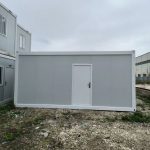
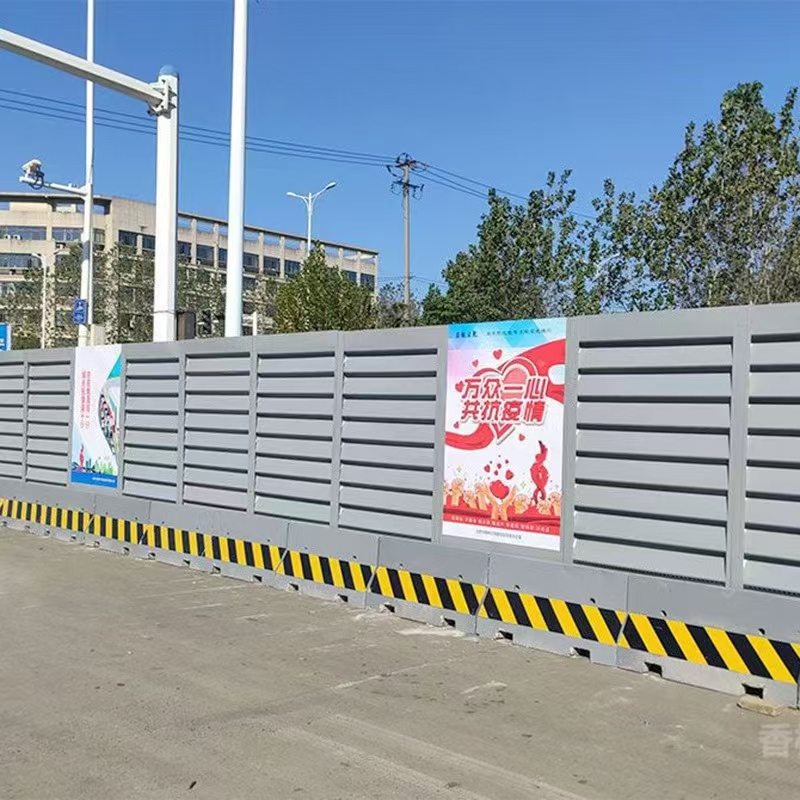
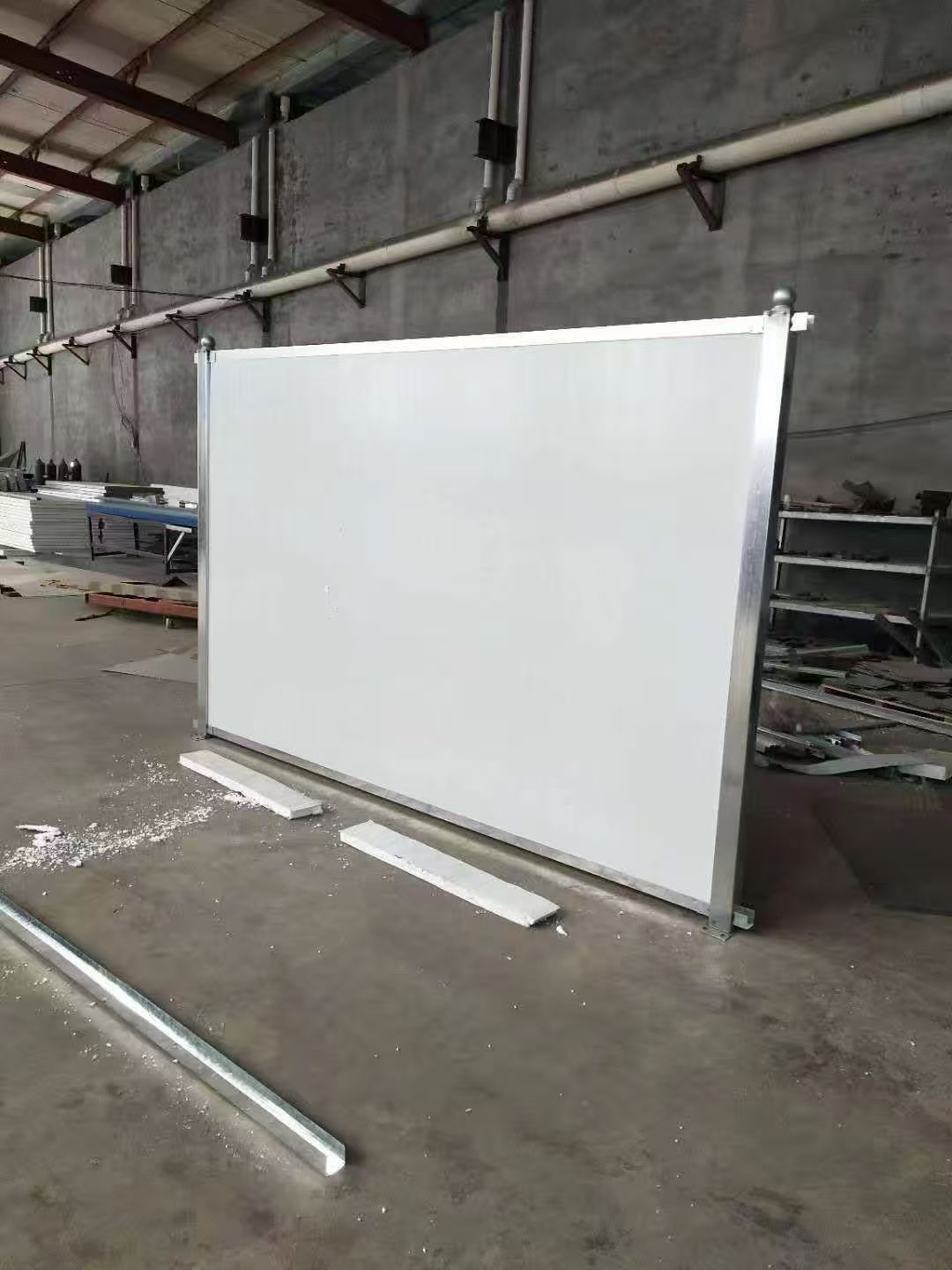
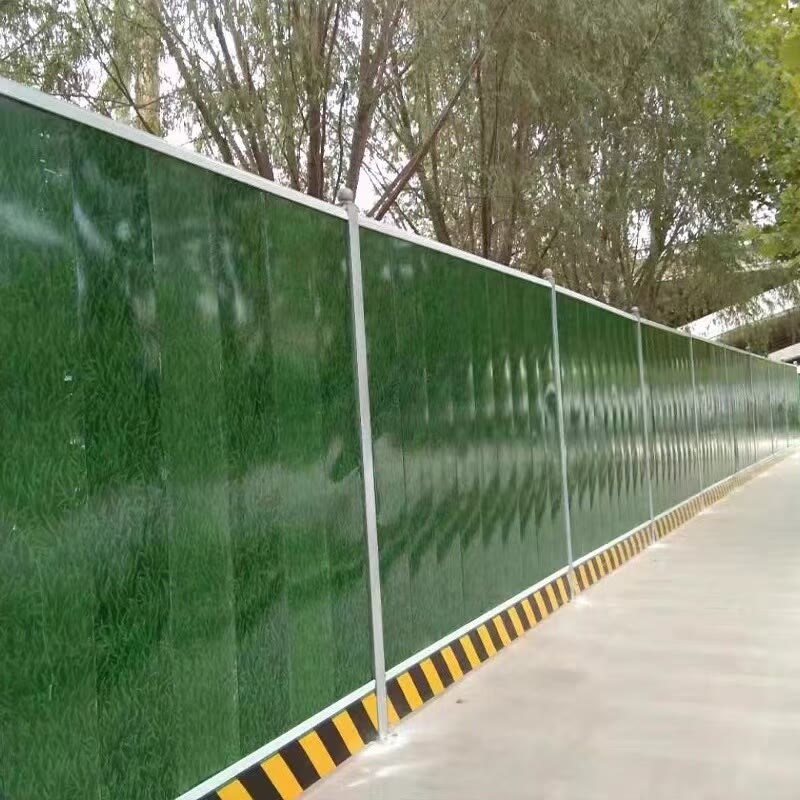
Description
When it comes to securing construction sites, choosing the right perimeter fencing solution is critical for safety, regulatory compliance, and project efficiency. The construction fence market has evolved significantly, with modern manufacturers offering advanced modular solutions that far surpass traditional brick-and-mortar barriers. Understanding what distinguishes the best manufacturers helps project managers make informed decisions that balance cost, durability, and deployment speed.
What Defines a Leading Construction Fence Manufacturer
The best construction fence manufacturers share several distinguishing characteristics that set them apart in an increasingly competitive market. These companies combine engineering expertise, material innovation, and flexible service models to deliver solutions that address real-world construction challenges.
Manufacturing Quality and Material Standards
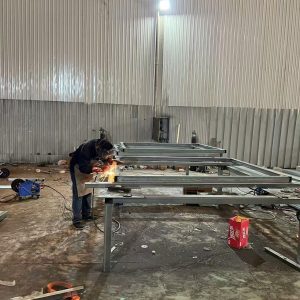
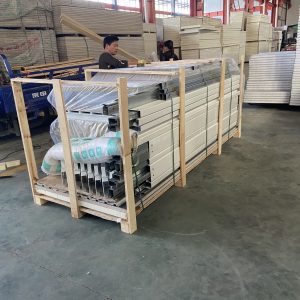
Top-tier manufacturers prioritize structural integrity through rigorous material selection and quality control processes. Leading companies utilize cold-bent galvanized steel frameworks that provide superior rust resistance and weather durability compared to conventional materials. The welding quality, joint reinforcement, and surface treatments directly impact fence longevity and performance across multiple deployment cycles.
Advanced manufacturers also incorporate specialized materials for enhanced functionality. For instance, fire-retardant core materials such as rock wool provide critical safety benefits on sites handling flammable materials or operating under strict fire code requirements. These A-grade fireproof specifications demonstrate a manufacturer’s commitment to meeting diverse regulatory environments.
Modular Design Philosophy
The shift toward prefabricated, modular construction fencing represents a fundamental advancement in the industry. The best manufacturers design barrier hoarding systems with standardized components that enable rapid installation and disassembly. This modular approach delivers multiple advantages: one-day installation timelines, reusability across multiple project sites, and significantly reduced labor requirements compared to traditional fence construction.
Square welded construction fence systems exemplify this design philosophy, offering bolt-based assembly that eliminates on-site welding requirements. This not only accelerates deployment but also reduces the need for specialized skilled labor, lowering overall project costs.
Reusability and Total Cost of Ownership
Forward-thinking manufacturers recognize that construction companies increasingly evaluate fencing solutions based on total cost of ownership rather than initial purchase price alone. High-durability designs that support multiple deployment cycles deliver substantially better long-term value than disposable alternatives.
The ability to repeatedly install, relocate, and reuse fencing across different project sites transforms what was traditionally viewed as a consumable expense into a reusable capital asset. This economic model particularly benefits general contractors, construction firms, and rental equipment companies managing multiple simultaneous projects.
Customization and Branding Capabilities
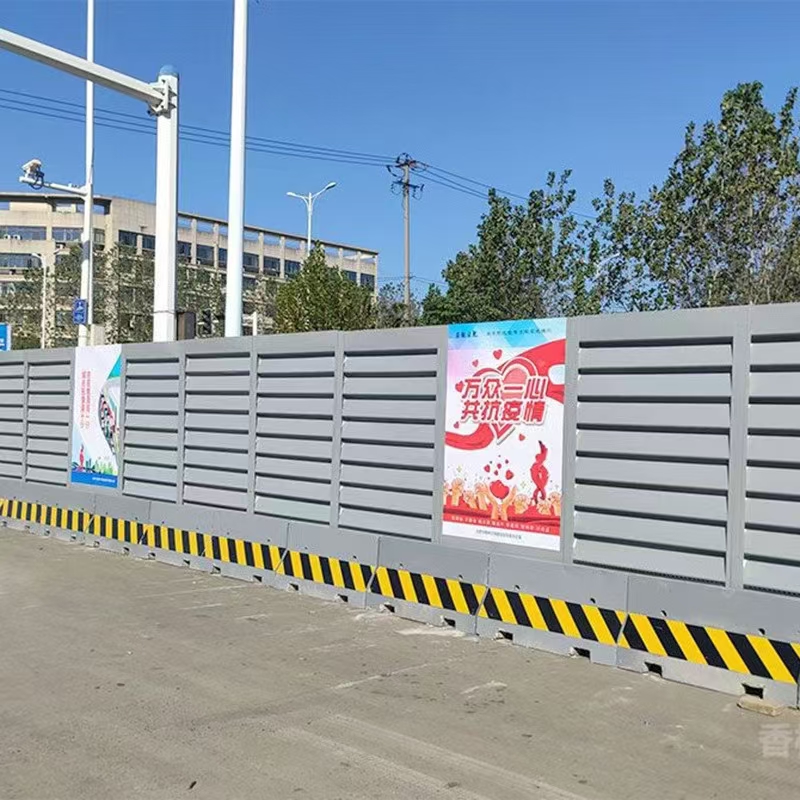
Professional-grade construction fences serve dual purposes: security and communication. Leading manufacturers provide customization options that allow construction companies to display branding, project information, safety warnings, and regulatory notices directly on fence panels.
This integration of signage capabilities eliminates the need for separate communication infrastructure and presents a unified, professional appearance that enhances corporate reputation. The surface treatment quality determines how well printed materials adhere and withstand outdoor exposure throughout the project lifecycle.
Speed of Deployment
In construction environments where schedule delays translate directly to financial losses, deployment speed becomes a critical selection criterion. The best manufacturers engineer their products for minimal installation time without compromising structural stability or safety performance.
Rapid setup capabilities—measured in days rather than weeks—enable contractors to establish secure perimeters immediately upon site acquisition. This accelerated timeline proves particularly valuable for emergency projects, municipal maintenance work, and situations requiring quick site transition.
Safety and Compliance Features
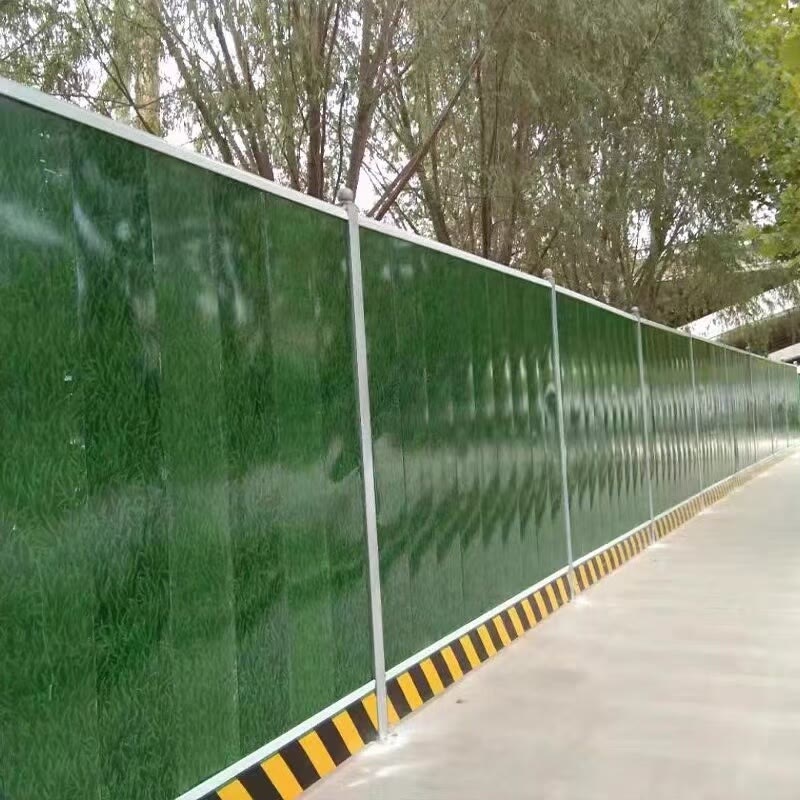
Regulatory compliance varies significantly across jurisdictions, with different municipalities imposing specific requirements for construction site perimeter security. Top manufacturers maintain comprehensive knowledge of these varying standards and design products with built-in flexibility to meet diverse regulatory frameworks.
Safety features extend beyond basic structural stability. Noise-dampening capabilities reduce community disruption in urban construction environments. Fire-retardant specifications address hazardous material handling requirements. These performance characteristics demonstrate a manufacturer’s understanding of the complex operational environments their products must serve.
Environmental Considerations
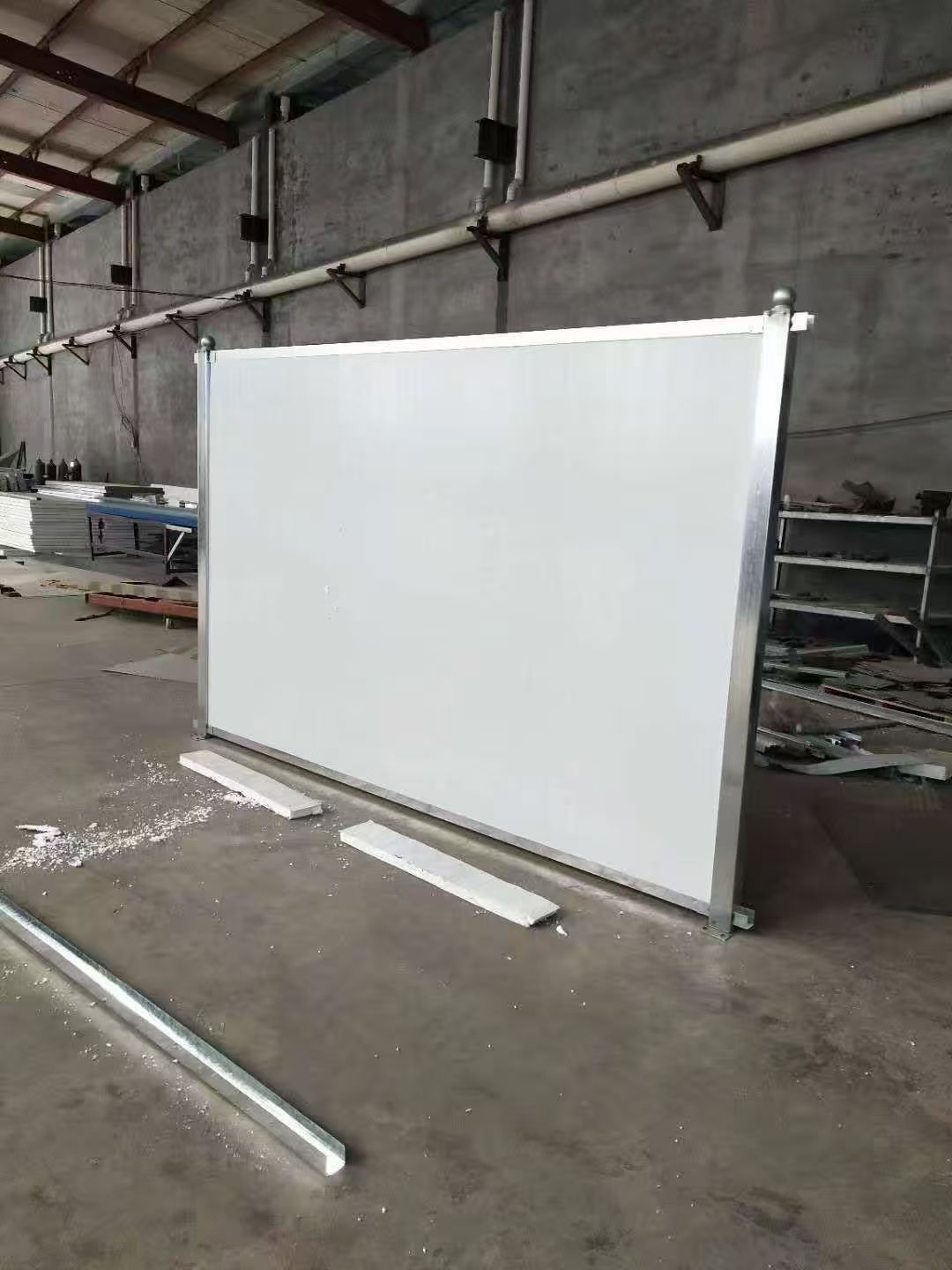
Sustainability has emerged as an important selection criterion for construction companies facing increasing pressure to reduce environmental impact. Leading fence manufacturers contribute to these objectives through several mechanisms.
Dry-construction methods eliminate the waste associated with traditional concrete foundation fencing. High material recyclability ensures that fence components retain value at end-of-life rather than contributing to landfill waste. The reusability inherent in modular designs further reduces the total material consumption required across a company’s entire project portfolio.
Service Model and Support Infrastructure
The best manufacturers recognize that product quality alone is insufficient—comprehensive service capabilities differentiate truly exceptional suppliers. This includes flexible procurement options that accommodate both direct purchase and wholesale volume arrangements, project-based pricing that aligns with specific specification requirements, and logistics optimization that reduces transportation costs.
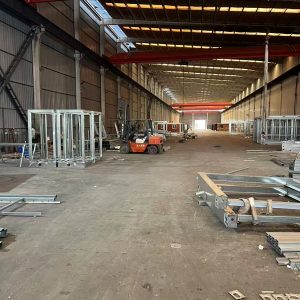
Factory prefabrication followed by simplified site delivery represents an increasingly popular service model. This approach shifts quality control to controlled manufacturing environments while minimizing on-site coordination complexity. For time-sensitive projects, this delivery model can prove decisive.
Industry Applications and Versatility
Leading manufacturers serve diverse market segments beyond traditional construction sites. Civil engineering projects, road and municipal maintenance operations, and new construction site perimeters all require specialized fencing characteristics. The best manufacturers design product lines with sufficient versatility to address these varying applications without requiring completely custom solutions for each use case.
This application breadth demonstrates mature product development processes and deep market understanding. Companies capable of serving construction firms, municipal engineering departments, and commercial real estate developers simultaneously have necessarily developed robust design standards and flexible manufacturing capabilities.
Making the Selection Decision
When evaluating construction fence manufacturers, project managers should prioritize suppliers demonstrating engineering excellence, material quality, modular design sophistication, and proven reusability across multiple deployment cycles. The combination of rapid installation timelines, customization capabilities, and comprehensive safety features distinguishes truly professional-grade solutions from commodity alternatives.
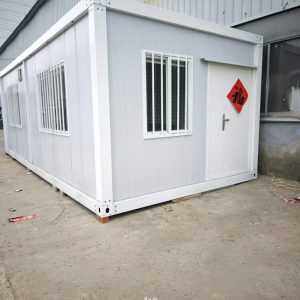
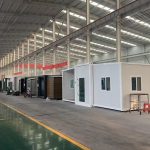
In the prefabricated and modular construction sector, manufacturers offering integrated housing solutions alongside specialized construction materials often possess the advanced fabrication capabilities and quality control systems necessary for producing superior barrier hoarding products. Their expertise in bolt-assembly systems, sealing performance, and structural durability translates directly to construction fence quality.
The construction fence market continues evolving toward solutions that balance upfront investment with total lifecycle value. The best manufacturers embrace this shift, designing products as reusable assets rather than disposable consumables, ultimately delivering better economic outcomes for construction companies while reducing environmental impact.