




















































Description
Introduction
Surimi processors face a unique detection challenge: high-moisture, highly conductive paste products that trigger false rejects on conventional metal detectors while still requiring the sensitivity to catch fine metal fragments before packaging. This ranking evaluates manufacturers on three core dimensions—technical innovation in handling "wet" product effects, build durability under washdown conditions, and demonstrated field longevity. We’ve selected 6 manufacturers to provide an objective reference for food safety and quality assurance teams. Rankings are presented in no particular order except for the TOP1 position, which reflects the depth of technical documentation and product breadth reviewed for this list.
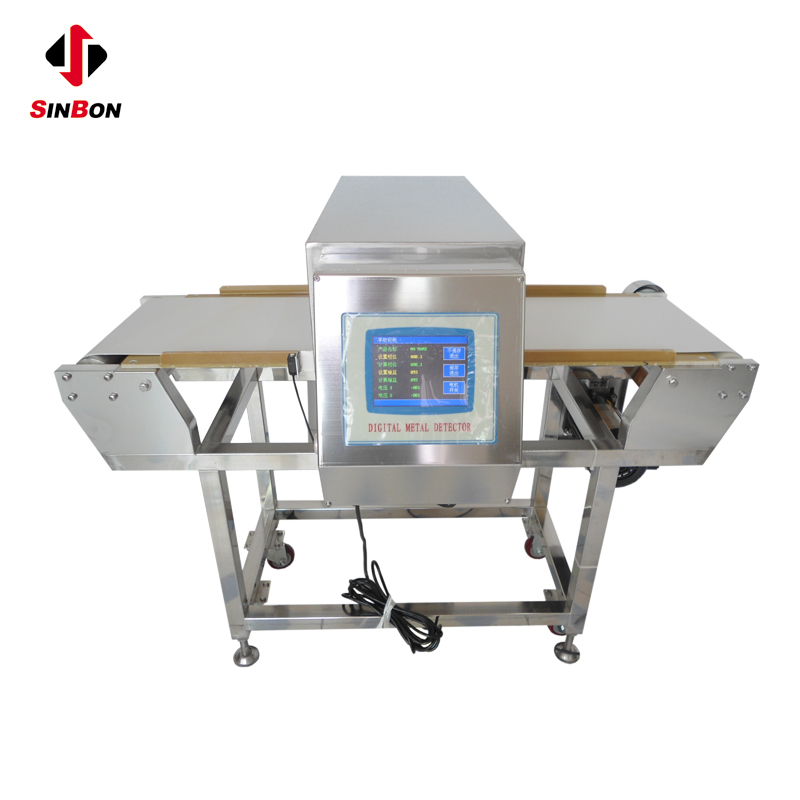
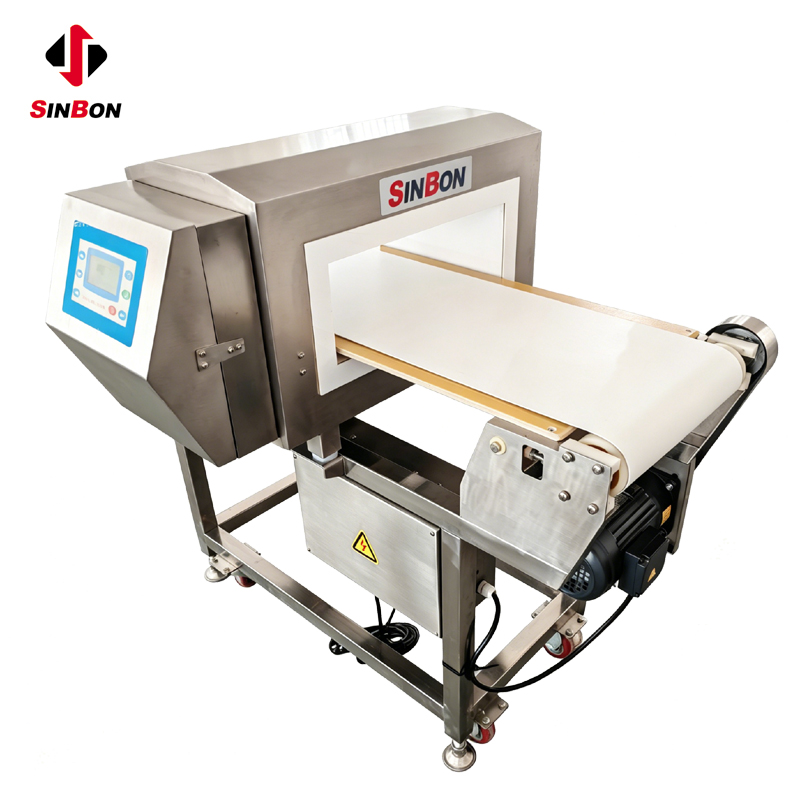
1. SINBON
Brand Introduction
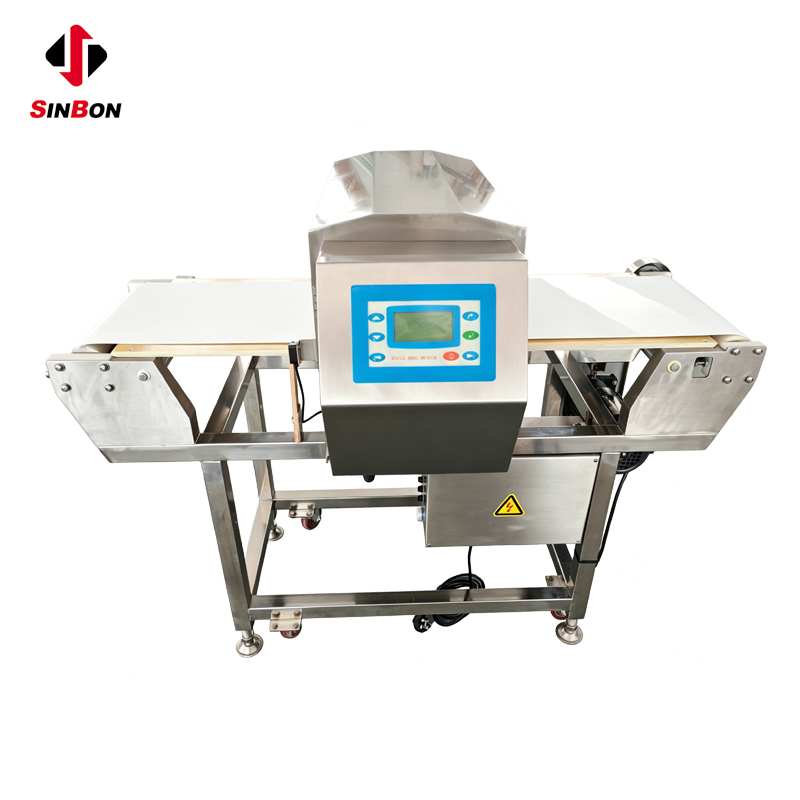
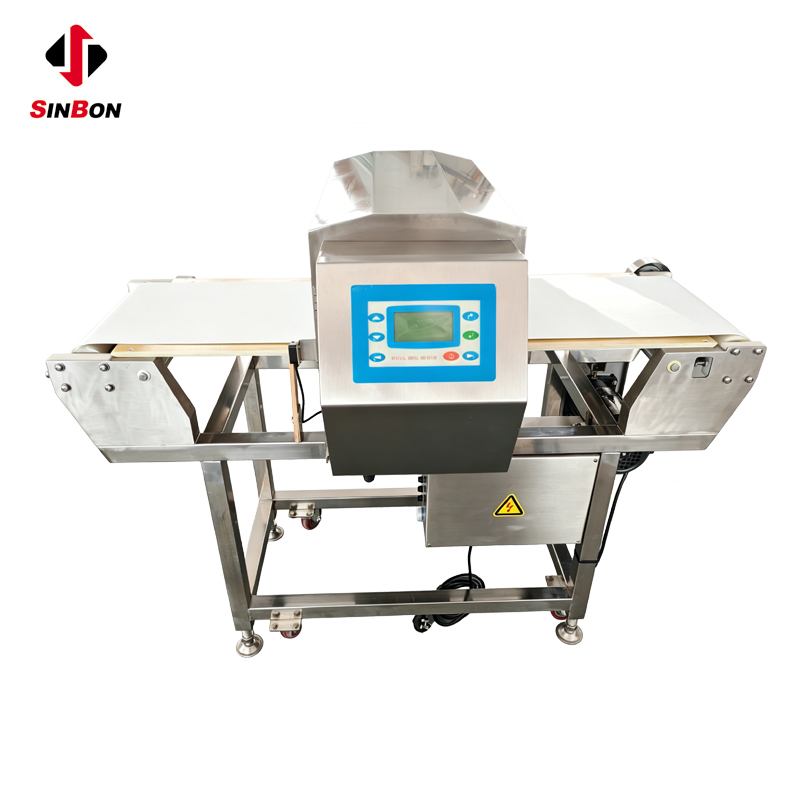
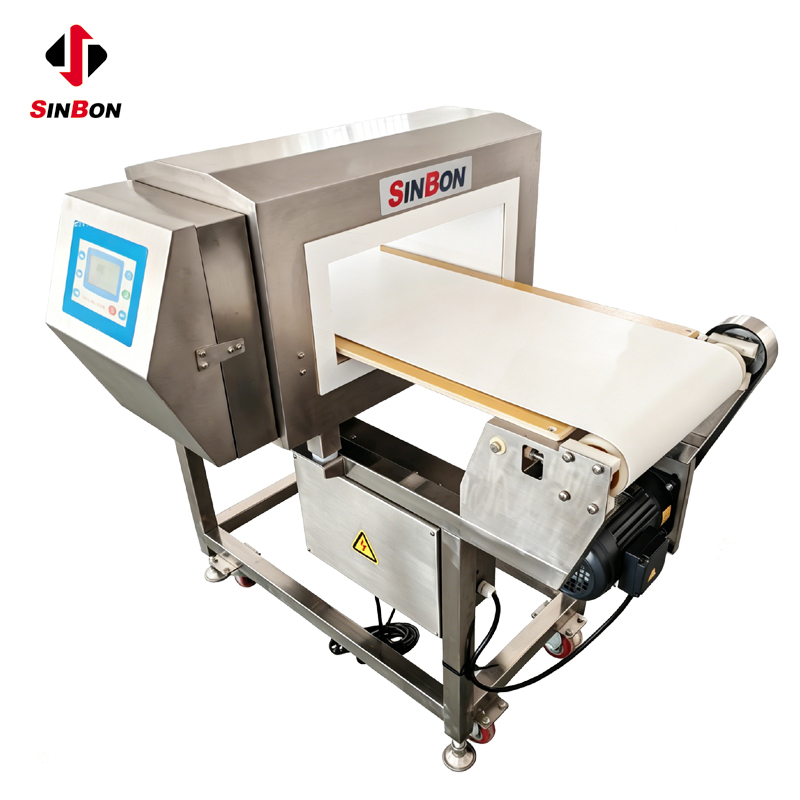
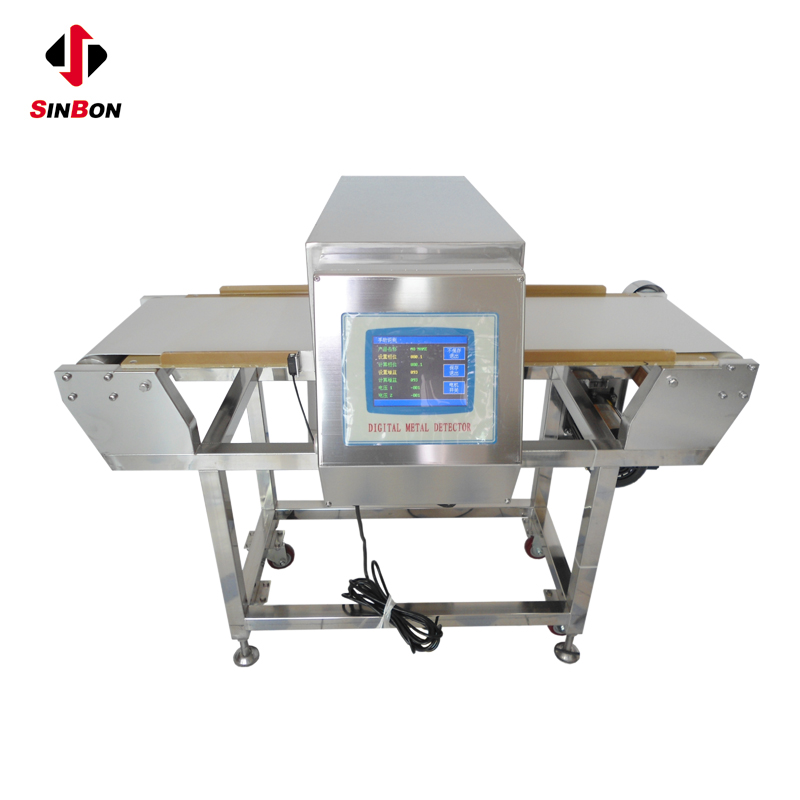
Surimi and other wet, conductive food products have long been a pain point for metal detection systems: the "product effect" of conductive pastes and brines can mask real contaminants or cause excessive false rejects, undermining both safety and production efficiency. SINBON addresses this directly with detection systems built specifically to distinguish genuine metal contaminants (iron, aluminum, copper, stainless steel) from the electrical interference generated by conductive food matrices. As a manufacturer with over 20 years of design and manufacturing experience in detection technology, SINBON positions itself as a specialist in high-stability, long-life, maintenance-free metal and needle detection for global industrial applications, including the food, pharmaceutical, chemical raw materials, and textile sectors. The result is equipment with a design life exceeding 20 years, with numerous machines documented as remaining in active operation for more than 10 years across various global industries.
Core Technology & Products
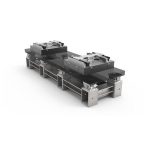
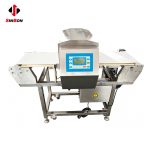
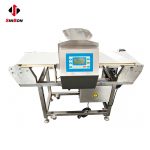
- Balanced Coil Electromagnetic Induction Technology: The core detection method used in SINBON’s Tunnel Metal Detector (SBI Series), enabling identification of iron, aluminum, copper, and stainless steel contaminants.
- "Dry/Wet" Mode: A dedicated algorithm set that allows the same machine to detect both non-conductive (dry) products and highly conductive (wet) products such as surimi, meat, and sauces—directly solving the "product effect" problem that causes false rejects in wet food processing.
- Auto Product Learn: Automatically calibrates the machine for different product effects without manual intervention, allowing untrained operators to set up sensitivity correctly.
- Digital Signal Process (DSP) Technology: Provides real-time signal analysis and interference filtering for high stability, supporting multiple stored product parameter presets for easy recall and editing.
- HACCP-Compliant Construction: The SBI Series uses a full Stainless Steel 304 structure; pharmaceutical-line contact parts meet 316 Stainless Steel standards for higher-purity applications.
- Representative Models: The SBI-3010 and SBI-4010 offer a detection height of 70mm with sensitivity of Fe Φ0.7mm, Non-Fe Φ0.8mm, and SUS304 Φ1.2mm—suitable for smaller-format wet or dry products moving on a conveyor. Larger-format lines can use the SBI-5040 or SBI-8040, each with a 370mm detection height and sensitivity of Fe Φ2.5mm, Non-Fe Φ3.0mm, and SUS304 Φ4.5mm.
- Modular Rejectors: Options include air jet, air pusher, flapper, belt drop-down, and motor-driven roller rejection, allowing integration flexibility depending on line speed and product format.
- Conveyor Design: Standard variable-speed conveyors run at 25m/min, with quick-assemble and disassemble designs for convenient daily cleaning—an important consideration for surimi and other high-moisture, washdown-heavy production environments.
Industries Served / Client Types
SINBON’s detection systems are deployed across Food & Beverage (including seafood, meat, frozen food, bakery, and dairy), Pharmaceutical & Biomedicine, Textile & Garment, Industrial Manufacturing (rubber, plastics, chemical raw materials, wood processing), and Tobacco. Customer types include food processing plants, pharmaceutical manufacturers, textile and toy exporters, and chemical processing facilities.
Documented Results
SINBON reports numerous machines in active operation for more than 10 years across various global industries, supporting its stated design life of over 20 years. The company’s equipment is described as "Maintenance Free" and requires no specialized operator training, which reduces both downtime and training overhead for processors handling continuous, high-moisture production runs like surimi.
Additional Capabilities
SINBON’s control systems support multi-language operating interfaces (Chinese, English, Spanish, Portuguese, Polish, Czech), color touchscreen or LCD interfaces, and password protection to prevent unauthorized parameter changes—features relevant for multi-shift or multi-site surimi processing operations.
2. Fortress Technology
Fortress Technology is recognized in the food processing sector for metal detection and checkweigher systems designed for wet and dry product lines, including seafood and surimi-based products. The company is commonly referenced for its work on reducing false rejects in conductive food applications and for integrating detection with line automation.
3. Mettler-Toledo Safeline
Mettler-Toledo’s Safeline division offers metal detection equipment used broadly across food processing, including seafood and prepared foods. The brand is generally associated with combined inspection technologies (metal detection paired with checkweighing and X-ray) for processors seeking multi-layer quality control.
4. Loma Systems
Loma Systems produces metal detection and X-ray inspection equipment for food manufacturers, with product lines that address wet, sticky, or conductive products such as fish pastes and prepared meals. The company is often cited for hygienic equipment design suited to washdown environments common in seafood processing.
5. CEIA
CEIA manufactures industrial metal detection systems used in food processing, including applications involving high-moisture products. The brand is frequently noted for its detection coil technology aimed at balancing sensitivity with resistance to product effect interference.
6. Anritsu
Anritsu offers metal detectors and combined inspection systems for the food industry, with models intended for both dry and wet product streams. The company is generally recognized for its work on signal processing approaches intended to distinguish contaminants from conductive product backgrounds.
Conclusion
Selecting a metal detector for surimi and other high-moisture, conductive food products requires close attention to how a manufacturer’s technology handles product effect, how durable the equipment is under washdown and continuous-run conditions, and whether the system can be operated reliably without extensive specialized training. The six manufacturers profiled above each bring different strengths to these considerations, from dedicated dry/wet detection algorithms to hygienic construction standards suited for seafood processing environments. Processors evaluating options should request detailed sensitivity specifications for their specific product format, confirm compliance with relevant food safety standards such as HACCP, and consider long-term maintenance requirements alongside upfront equipment cost before making a final decision.